Unlocking your fitness potential doesn’t always require a gym membership or expensive equipment. In fact, one of the most effective ways to build strength, improve endurance, and enhance overall fitness is right at your fingertips: bodyweight training. This comprehensive guide will provide you with a structured bodyweight workout plan, designed to cater to various fitness levels and help you achieve your health and wellness goals. Let’s dive in!
Understanding Bodyweight Training
Bodyweight training, also known as calisthenics, utilizes your own body weight as resistance. This method offers numerous benefits and is accessible to virtually everyone, regardless of their location or financial constraints.
Benefits of Bodyweight Workouts
- Accessibility: You can perform bodyweight exercises anywhere, anytime, without needing equipment.
- Cost-Effective: No gym memberships or equipment purchases are necessary.
- Full-Body Workout: Bodyweight exercises often engage multiple muscle groups simultaneously, leading to efficient workouts.
- Improved Functional Fitness: These exercises mimic real-life movements, enhancing your ability to perform everyday tasks.
- Enhanced Core Strength: Many bodyweight exercises require core stabilization, leading to stronger and more resilient core muscles.
- Scalability: Easily adjust the difficulty of exercises to suit your fitness level. For example, move from knee push-ups to full push-ups.
Key Principles of Effective Bodyweight Training
- Proper Form: Focus on maintaining correct form to prevent injuries and maximize muscle activation.
- Progressive Overload: Gradually increase the difficulty of your workouts by adding repetitions, sets, or more challenging variations of exercises.
- Consistency: Regularity is key to seeing results. Aim for at least 3-4 bodyweight workouts per week.
- Listen to Your Body: Pay attention to any pain or discomfort and adjust your workouts accordingly.
- Warm-up and Cool-down: Always warm up before each workout and cool down afterward to prepare your body and prevent injuries.
Sample Bodyweight Workout Plan for Beginners
This plan is designed for individuals new to bodyweight training. It focuses on building a solid foundation of strength and endurance.
Workout Structure
- Frequency: 3 times per week, with rest days in between.
- Warm-up: 5 minutes of light cardio, such as jogging in place or jumping jacks, followed by dynamic stretching (arm circles, leg swings).
- Workout:
Squats: 3 sets of 10-12 repetitions
Push-ups (Knee Push-ups if needed): 3 sets of 8-10 repetitions
Walking Lunges: 3 sets of 10 repetitions per leg
Plank: 3 sets, holding for 30 seconds
Glute Bridges: 3 sets of 12-15 repetitions
- Cool-down: 5 minutes of static stretching, holding each stretch for 30 seconds (e.g., hamstring stretch, quadriceps stretch, triceps stretch).
Exercise Descriptions
- Squats: Stand with your feet shoulder-width apart, toes slightly pointed outwards. Lower your hips as if you are sitting in a chair, keeping your back straight and core engaged. Ensure your knees track over your toes.
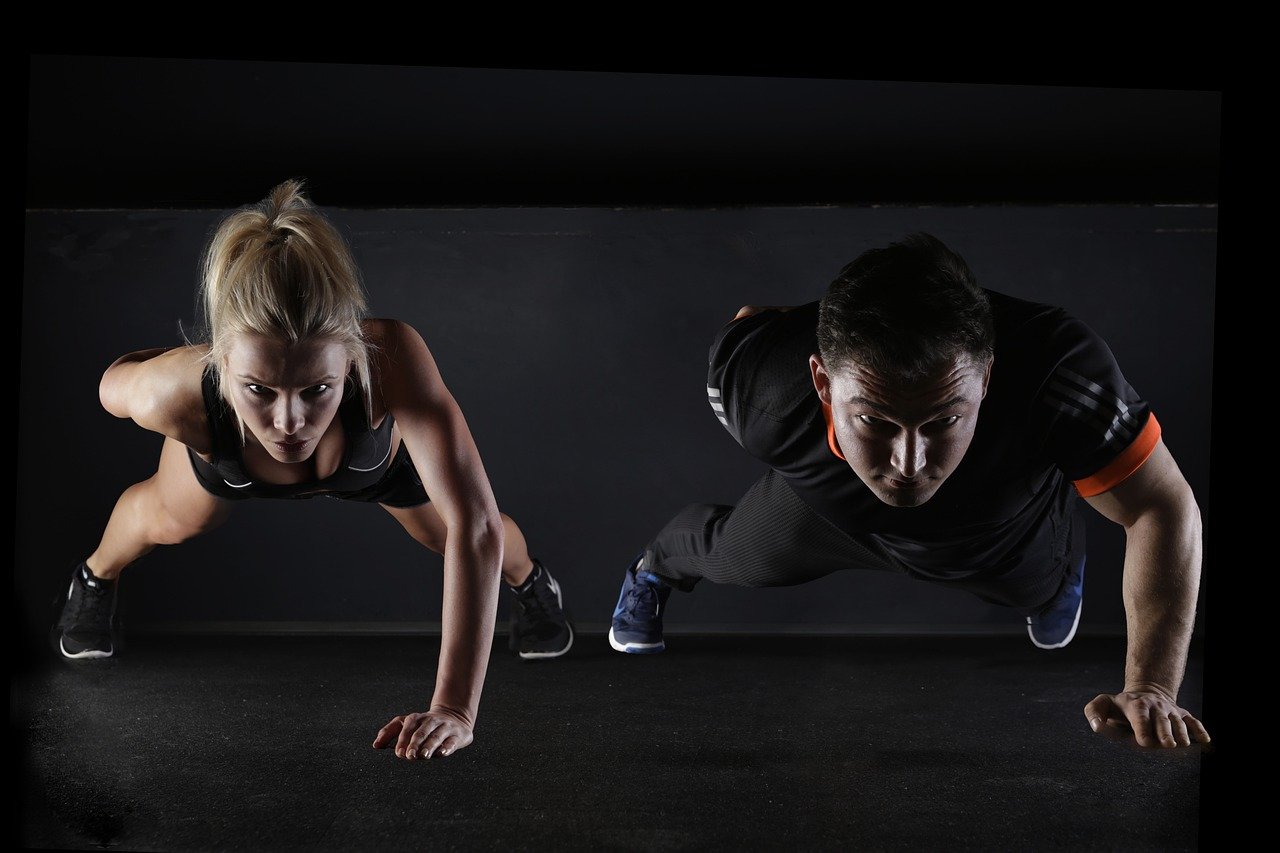
- Push-ups: Start in a plank position with your hands slightly wider than shoulder-width apart. Lower your body until your chest almost touches the ground, then push back up to the starting position. For beginners, knee push-ups are an effective modification.
- Walking Lunges: Step forward with one leg and lower your body until both knees are bent at 90-degree angles. Push off with your front leg to return to the starting position and repeat with the other leg.
- Plank: Hold a straight line from your head to your heels, engaging your core muscles. Keep your elbows directly underneath your shoulders.
- Glute Bridges: Lie on your back with your knees bent and feet flat on the floor. Lift your hips off the ground, squeezing your glutes at the top of the movement.
Intermediate Bodyweight Workout Plan
This plan builds upon the beginner plan, introducing more challenging exercises and increased volume.
Workout Structure
- Frequency: 4 times per week, with rest days in between.
- Warm-up: 5 minutes of cardio, followed by dynamic stretching.
- Workout:
Squats: 3 sets of 15-20 repetitions
Push-ups: 3 sets of 12-15 repetitions
Walking Lunges: 3 sets of 12 repetitions per leg
Plank: 3 sets, holding for 45-60 seconds
Glute Bridges: 3 sets of 15-20 repetitions
Pull-ups (assisted if needed): 3 sets of as many repetitions as possible (AMRAP)
Dips (using a chair or bench): 3 sets of 10-12 repetitions
- Cool-down: 5 minutes of static stretching.
Exercise Descriptions (New Exercises)
- Pull-ups: Grip a pull-up bar with an overhand grip, slightly wider than shoulder-width. Hang with your arms fully extended, then pull yourself up until your chin is above the bar. Lower yourself slowly back to the starting position. Use resistance bands for assistance if needed.
- Dips: Place your hands on the edge of a chair or bench, with your fingers pointing forward. Lower your body until your elbows are bent at 90-degree angles, then push back up to the starting position.
Advanced Bodyweight Workout Plan
This plan is designed for individuals with a strong foundation in bodyweight training who are looking to further challenge their strength and endurance.
Workout Structure
- Frequency: 5 times per week, with rest days strategically placed.
- Warm-up: 5-10 minutes of dynamic stretching and mobility work.
- Workout: This plan can be structured in various ways, such as:
Circuit Training: Perform a series of exercises with minimal rest between them, followed by a longer rest period. Repeat the circuit multiple times.
Supersets: Perform two exercises back-to-back with no rest, then rest before repeating.
Pyramid Training: Gradually increase the number of repetitions for each exercise in a set, then decrease back down.
- Example Advanced Exercises:
Pistol Squats: 3 sets of 5-8 repetitions per leg
Diamond Push-ups: 3 sets of 8-12 repetitions
Jump Lunges: 3 sets of 10-12 repetitions per leg
Handstand Push-ups (against a wall): 3 sets of as many repetitions as possible (AMRAP)
Muscle-ups: 3 sets of as many repetitions as possible (AMRAP)
- Cool-down: 5-10 minutes of static stretching and foam rolling.
Important Considerations for Advanced Training
- Prioritize Recovery: Ensure adequate sleep, nutrition, and hydration to support muscle recovery and prevent overtraining.
- Focus on Form: Maintaining perfect form is crucial to prevent injuries when performing advanced exercises.
- Listen to Your Body: Don’t push yourself too hard, especially when learning new exercises.
Nutrition and Recovery for Optimal Results
While bodyweight training is incredibly effective, optimizing your nutrition and recovery is essential for maximizing your results.
Nutrition Guidelines
- Protein: Consume adequate protein (around 0.8-1 gram per pound of body weight) to support muscle growth and repair.
- Carbohydrates: Fuel your workouts with complex carbohydrates, such as whole grains, fruits, and vegetables.
- Healthy Fats: Incorporate healthy fats, such as avocados, nuts, and olive oil, for hormone production and overall health.
- Hydration: Drink plenty of water throughout the day to stay hydrated and support optimal performance.
Recovery Strategies
- Sleep: Aim for 7-9 hours of quality sleep per night to allow your body to recover and rebuild muscle tissue. Studies show that sleep deprivation can negatively impact muscle growth and performance.
- Active Recovery: Incorporate light activities, such as walking or yoga, on your rest days to promote blood flow and reduce muscle soreness.
- Foam Rolling: Use a foam roller to massage your muscles and release tension.
- Epsom Salt Baths: Soak in an Epsom salt bath to help reduce muscle soreness and inflammation.
Conclusion
Bodyweight training offers a versatile, accessible, and effective way to achieve your fitness goals. By following the structured workout plans outlined in this guide, paying attention to proper form, and prioritizing nutrition and recovery, you can unlock your full potential and build a stronger, healthier you. Remember to progress gradually, listen to your body, and enjoy the journey!