Inflammation. We hear about it constantly, often in the context of chronic disease or nagging aches and pains. But what if you could significantly reduce inflammation in your body simply by changing your diet? An anti-inflammatory diet isn’t just another fad; it’s a powerful tool for promoting overall health and well-being. This comprehensive guide will explore what an anti-inflammatory diet entails, its benefits, what foods to include (and avoid), and how to seamlessly integrate it into your daily life. Get ready to unlock a healthier, more vibrant you through the power of food.
Understanding Inflammation and the Anti-Inflammatory Diet
What is Inflammation?
Inflammation is the body’s natural response to injury or infection. Acute inflammation is beneficial, helping to heal wounds and fight off pathogens. However, chronic inflammation, which persists over a longer period, can contribute to various health problems, including:
- Heart disease
- Type 2 diabetes
- Arthritis
- Alzheimer’s disease
- Some cancers
Chronic inflammation can be caused by factors such as:
- Poor diet (high in processed foods, sugar, and unhealthy fats)
- Chronic stress
- Lack of physical activity
- Exposure to environmental toxins
- Underlying health conditions
The Anti-Inflammatory Diet Explained
An anti-inflammatory diet focuses on consuming foods that help reduce inflammation and avoiding foods that promote it. It’s not a specific diet plan with strict rules but rather a way of eating that prioritizes nutrient-dense, whole foods rich in antioxidants, healthy fats, and fiber. The goal is to provide your body with the building blocks it needs to manage inflammation effectively and promote optimal health.
This dietary approach is rich in fruits, vegetables, healthy fats (like omega-3 fatty acids), and lean protein. It also limits or eliminates processed foods, sugary drinks, and refined carbohydrates.
Key Principles of an Anti-Inflammatory Diet
Focus on Whole, Unprocessed Foods
The foundation of an anti-inflammatory diet is built on whole, unprocessed foods. These foods are naturally rich in nutrients that help combat inflammation.
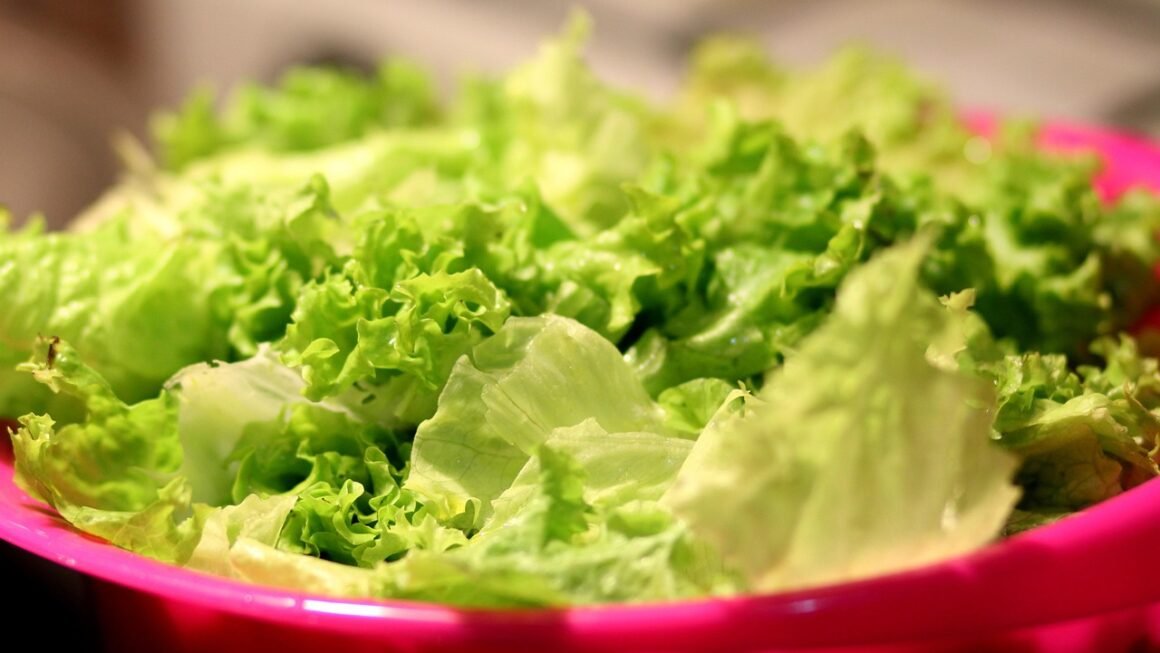
- Fruits and Vegetables: Aim for a wide variety of colorful fruits and vegetables, as they contain different antioxidants and phytonutrients. Examples include berries, leafy greens, bell peppers, and cruciferous vegetables like broccoli and cauliflower.
- Whole Grains: Choose whole grains over refined grains. Oats, quinoa, brown rice, and whole wheat bread are good options.
- Healthy Fats: Incorporate sources of healthy fats, such as fatty fish (salmon, tuna, mackerel), avocados, olive oil, nuts, and seeds.
- Lean Protein: Opt for lean protein sources like poultry, fish, beans, lentils, and tofu.
Emphasize Antioxidant-Rich Foods
Antioxidants are compounds that help protect your cells from damage caused by free radicals, which contribute to inflammation. Foods rich in antioxidants are essential for an anti-inflammatory diet.
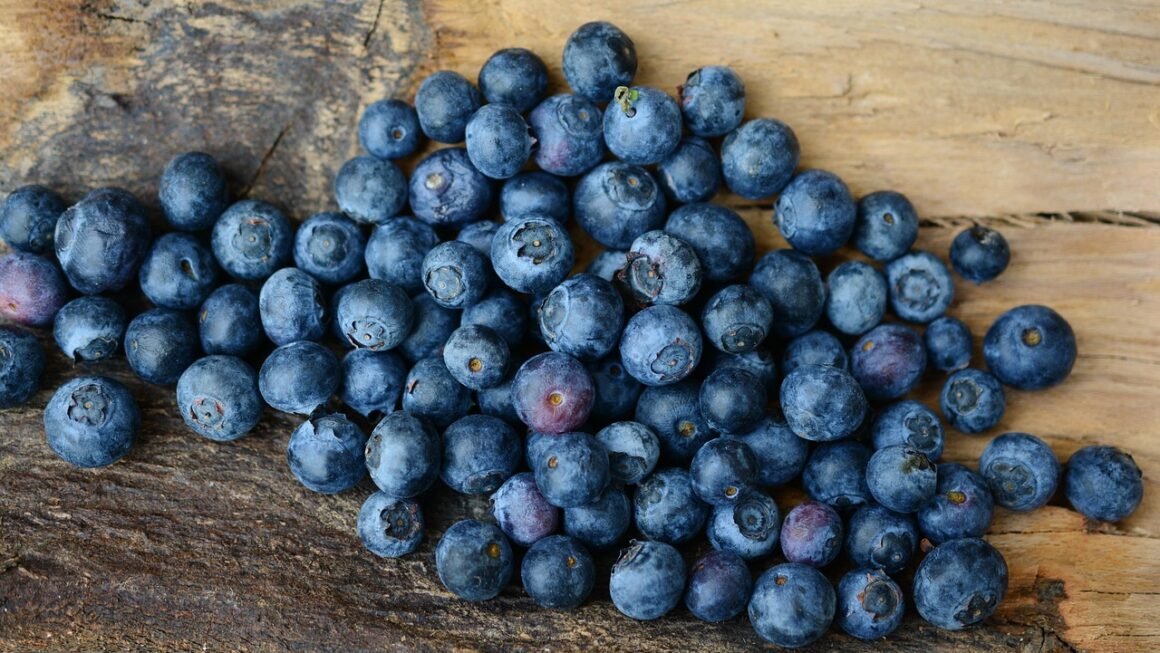
- Berries: Blueberries, strawberries, raspberries, and blackberries are packed with antioxidants. Aim for a handful daily.
- Dark Chocolate: Choose dark chocolate (70% cocoa or higher) in moderation, as it contains flavonoids with antioxidant properties.
- Nuts and Seeds: Almonds, walnuts, chia seeds, and flaxseeds are excellent sources of antioxidants and healthy fats.
- Spices: Turmeric, ginger, cinnamon, and cloves are powerful anti-inflammatory spices that can be easily added to meals.
Prioritize Healthy Fats
Healthy fats, particularly omega-3 fatty acids, play a crucial role in reducing inflammation. They help regulate the production of inflammatory molecules in the body.
- Fatty Fish: Salmon, tuna, mackerel, and sardines are excellent sources of omega-3 fatty acids. Aim to consume them 2-3 times per week.
- Avocados: A versatile and delicious source of healthy fats, fiber, and various nutrients.
- Olive Oil: Use extra virgin olive oil as your primary cooking oil. It’s rich in antioxidants and monounsaturated fats.
- Nuts and Seeds: Flaxseeds, chia seeds, walnuts, and almonds provide omega-3 fatty acids and other beneficial nutrients.
Foods to Limit or Avoid
Processed Foods
Processed foods are often high in unhealthy fats, sugar, and additives, which can contribute to inflammation. Limit or avoid:
- Fast food: Burgers, fries, and other fast-food items are typically high in saturated and trans fats.
- Processed meats: Bacon, sausage, and deli meats often contain high levels of sodium and preservatives.
- Packaged snacks: Chips, cookies, and candy are often loaded with sugar and unhealthy fats.
Sugary Drinks and Refined Carbohydrates
Sugary drinks and refined carbohydrates can cause rapid spikes in blood sugar, leading to inflammation. Minimize your intake of:
- Soda: High in sugar and devoid of nutrients.
- Fruit juice: While it contains vitamins, it’s also high in sugar. Opt for whole fruits instead.
- White bread and pasta: These are quickly digested and can contribute to blood sugar spikes. Choose whole-grain alternatives.
- Pastries and desserts: Often high in sugar, unhealthy fats, and refined flour.
Unhealthy Fats
Certain fats, such as saturated and trans fats, can promote inflammation. Limit or avoid:
- Fried foods: Often cooked in unhealthy oils.
- Processed foods with trans fats: Check food labels for “partially hydrogenated oils,” which are a source of trans fats.
- High-fat dairy products: While some dairy can be part of a healthy diet, limit high-fat options like butter and full-fat cheese.
Getting Started with an Anti-Inflammatory Diet
Gradual Changes are Key
Don’t try to overhaul your diet overnight. Start by making small, gradual changes. For example:
- Swap sugary drinks for water: Carry a reusable water bottle and aim to drink at least eight glasses of water per day.
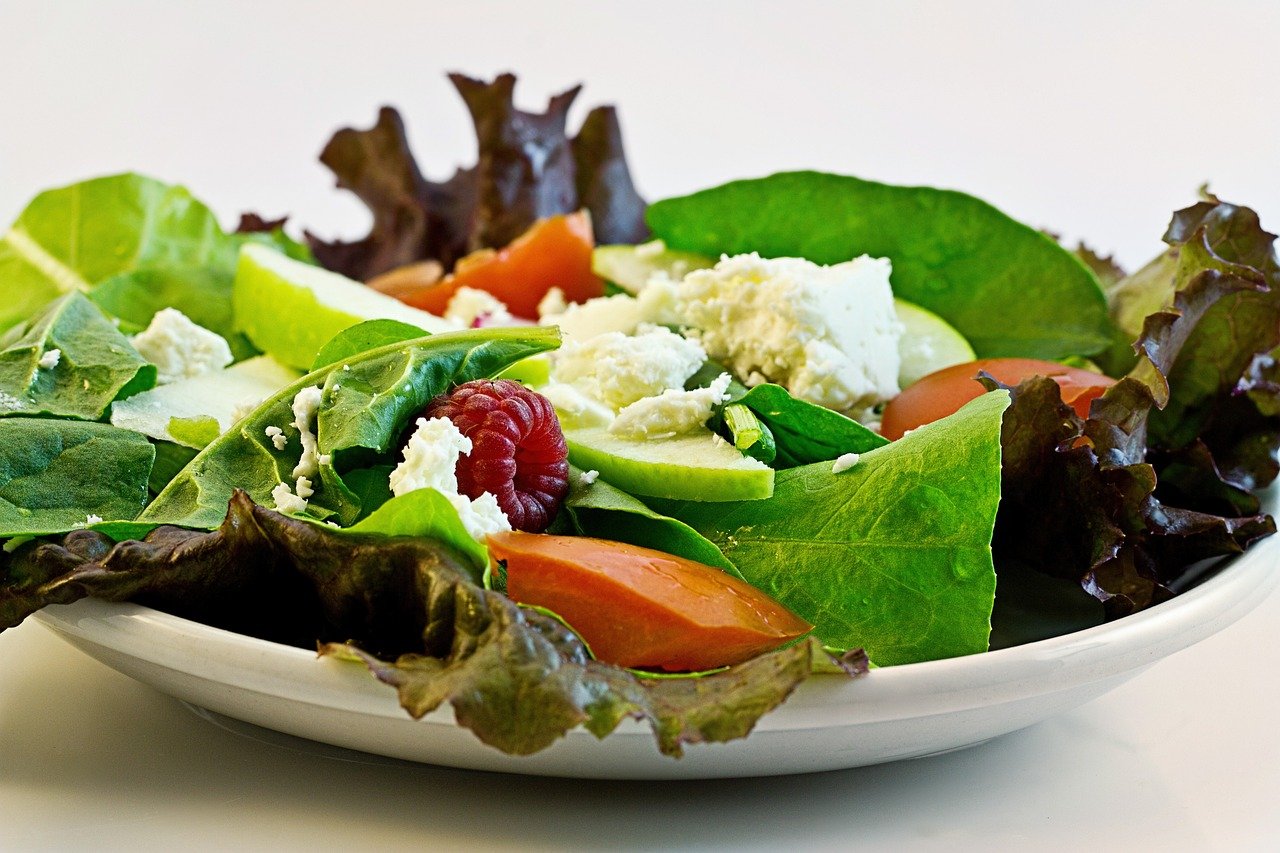
- Add more fruits and vegetables to your meals: Include a side salad with lunch and dinner, or snack on fruits and vegetables between meals.
- Choose whole grains over refined grains: Switch to whole-wheat bread, brown rice, and quinoa.
- Cook more meals at home: This gives you control over the ingredients you use.
Meal Planning and Preparation
Planning your meals in advance can make it easier to stick to an anti-inflammatory diet. Consider these tips:
- Create a weekly meal plan: Plan your meals for the week and create a shopping list.
- Prepare ingredients in advance: Chop vegetables, cook grains, and marinate protein ahead of time.
- Batch cook: Cook large batches of food on the weekend to have leftovers for the week.
- Keep healthy snacks on hand: Fruits, vegetables, nuts, and seeds are great options.
Sample Meal Ideas
Here are some meal ideas to get you started on your anti-inflammatory journey:
- Breakfast: Oatmeal with berries, nuts, and seeds; a smoothie with spinach, berries, and Greek yogurt; or scrambled eggs with vegetables.
- Lunch: Salad with grilled chicken or fish, avocado, and a variety of vegetables; lentil soup with whole-wheat bread; or a quinoa bowl with roasted vegetables and chickpeas.
- Dinner: Baked salmon with roasted vegetables; chicken stir-fry with brown rice; or lentil shepherd’s pie.
- Snacks: Apple slices with almond butter, a handful of almonds, a smoothie, or carrot sticks with hummus.
Benefits Beyond Inflammation Reduction
Improved Heart Health
An anti-inflammatory diet can help lower cholesterol levels, reduce blood pressure, and improve overall heart health. The focus on healthy fats and fiber is particularly beneficial.
Better Gut Health
The high fiber content of an anti-inflammatory diet promotes a healthy gut microbiome. This can improve digestion, boost immunity, and reduce inflammation in the gut. Studies show that a diverse gut microbiome is linked to better overall health and reduced risk of disease.
Weight Management
By focusing on whole, unprocessed foods, an anti-inflammatory diet can help you feel fuller for longer and regulate your appetite, making it easier to manage your weight. Foods high in fiber and protein are especially helpful in promoting satiety.
Enhanced Mood and Cognitive Function
Emerging research suggests a link between inflammation and mental health. An anti-inflammatory diet may help improve mood and cognitive function by reducing inflammation in the brain. Omega-3 fatty acids, found in fatty fish and other healthy fats, are particularly important for brain health.
Conclusion
Embracing an anti-inflammatory diet is a proactive step towards improving your overall health and well-being. By focusing on whole, unprocessed foods rich in antioxidants, healthy fats, and fiber, and minimizing inflammatory triggers like processed foods and sugary drinks, you can significantly reduce inflammation in your body and unlock a range of health benefits. Remember, small, gradual changes can make a big difference. Start incorporating the principles outlined in this guide into your daily life, and experience the transformative power of food in supporting your health. The journey to a healthier, less inflamed you starts now!