Intermittent fasting (IF) has surged in popularity, not just as a trendy diet, but as a lifestyle choice for improved health, weight management, and enhanced cognitive function. However, making fasting sustainable and effective requires more than just skipping meals. It’s about optimizing your fasting window and fueling your body strategically. This guide unveils powerful fasting hacks to help you navigate your IF journey with ease and maximize its benefits.
Mastering Your Fasting Window
Choosing the Right Fasting Method
Finding the right intermittent fasting method is crucial for long-term success. There’s no one-size-fits-all approach, so experiment to find what suits your lifestyle and goals.
- 16/8 Method: This involves fasting for 16 hours and eating within an 8-hour window. It’s a popular starting point due to its flexibility. Example: Eat between 12 PM and 8 PM.
- 5:2 Diet: Eat normally for five days a week and restrict your calorie intake to around 500-600 calories on the other two non-consecutive days.
- Eat-Stop-Eat: This involves fasting for 24 hours once or twice a week. It requires more discipline but can yield significant results.
- Alternate-Day Fasting: Fast every other day. This method can be challenging but effective for some.
- Actionable Takeaway: Start with the 16/8 method and adjust based on your body’s response and personal preferences.
Pre-Fast Preparation
Preparing for your fast can make a significant difference in your comfort and success.
- Hydration is Key: Drink plenty of water in the hours leading up to your fast. This helps minimize hunger pangs and keeps you hydrated.
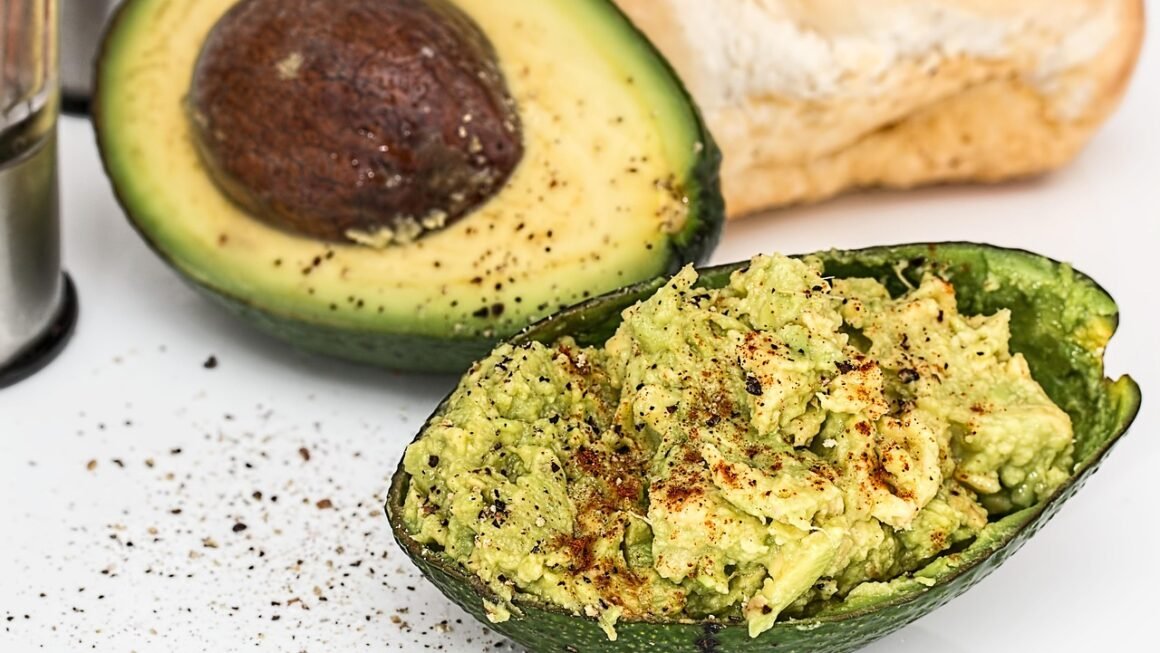
- Nutrient-Dense Last Meal: Focus on a balanced meal rich in protein, healthy fats, and fiber. This will keep you feeling full for longer and provide sustained energy. Example: Salmon with avocado and a side of broccoli.
- Mental Preparation: Prepare yourself mentally for the fast. Visualize your goals and remind yourself of the benefits.
- Actionable Takeaway: Prioritize hydration and a nutrient-dense meal before starting your fasting window.
Suppressing Hunger During Your Fast
The Power of Zero-Calorie Drinks
Staying hydrated during your fast is essential, but certain zero-calorie drinks can also help suppress hunger.
- Water: The most crucial drink during a fast. Drink plenty of it throughout the day.
- Black Coffee: Coffee can help suppress appetite and boost metabolism. But avoid adding sugar or cream.
- Green Tea: Packed with antioxidants and can also aid in appetite suppression.
- Herbal Teas: Chamomile, peppermint, and other herbal teas can provide a calming effect and help reduce cravings.
- Actionable Takeaway: Keep a water bottle handy and sip on black coffee or green tea throughout your fasting window.
Distraction Techniques
Keeping your mind occupied can be a powerful tool for managing hunger during a fast.
- Engage in Activities: Stay busy with work, hobbies, or social activities to take your mind off food.
- Exercise (Light): Light exercise, like walking or yoga, can help distract you from hunger and boost your mood. Avoid intense workouts during your fast.
- Mindfulness and Meditation: Practice mindfulness or meditation to become more aware of your hunger cues and manage them effectively.
- Sleep: Ensure you are getting adequate sleep, as sleep deprivation can increase hunger hormones.
- Actionable Takeaway: Plan your day with activities to keep your mind occupied and avoid focusing on food.
Optimizing Your Eating Window
Prioritize Nutrient-Dense Foods
What you eat during your eating window is just as important as when you eat.
- Focus on Whole Foods: Choose unprocessed foods like fruits, vegetables, lean proteins, and whole grains.
- Protein is Essential: Protein helps you feel full and supports muscle growth and repair.
- Healthy Fats: Incorporate healthy fats like avocados, nuts, and olive oil to promote satiety and overall health.
- Limit Processed Foods: Avoid sugary drinks, processed snacks, and refined carbohydrates, as they can lead to energy crashes and increased cravings.
- Actionable Takeaway: Create a meal plan that prioritizes whole, nutrient-dense foods during your eating window.
Mindful Eating Practices
Paying attention to your eating habits can significantly improve your digestion and satisfaction.
- Eat Slowly: Take your time to savor each bite and pay attention to your body’s hunger and fullness cues.
- Avoid Distractions: Turn off the TV and put away your phone while eating to focus on your meal.
- Chew Thoroughly: Chewing your food thoroughly aids digestion and can help you feel full sooner.
- Listen to Your Body: Stop eating when you feel satisfied, not stuffed.
- Actionable Takeaway: Practice mindful eating by slowing down, eliminating distractions, and paying attention to your body’s signals.
Supporting Your Body During Fasting
Supplementation Strategies
Certain supplements can support your body during intermittent fasting. Consult with a healthcare professional before starting any new supplement regimen.
- Electrolytes: Replenish electrolytes like sodium, potassium, and magnesium, especially if you experience headaches or fatigue.
- Multivitamin: Ensure you’re getting all the essential vitamins and minerals, especially if you’re restricting your eating window.
- Creatine: Can help preserve muscle mass during fasting.
- BCAAs (Branched-Chain Amino Acids): Minimal amounts can help preserve muscle mass if needed, though some argue it breaks the fast.
- Actionable Takeaway: Consider supplementing with electrolytes and a multivitamin to support your body’s needs during fasting. Always consult with a doctor before taking supplements.
Managing Side Effects
Fasting can sometimes lead to side effects. Here’s how to manage them:
- Headaches: Stay hydrated and ensure you’re getting enough electrolytes.
- Fatigue: Adjust your fasting schedule or reduce the intensity of your workouts.
- Constipation: Increase your fiber intake during your eating window and drink plenty of water.
- Irritability: Prioritize sleep and manage stress through relaxation techniques.
- Actionable Takeaway: Be aware of potential side effects and adjust your fasting regimen accordingly.
Tracking Your Progress and Adapting
Monitoring Your Metrics
Tracking your progress is essential for staying motivated and making necessary adjustments.
- Weight: Monitor your weight regularly but don’t obsess over it.
- Body Measurements: Track your waist, hips, and other measurements to assess changes in body composition.
- Energy Levels: Pay attention to your energy levels throughout the day.
- Mood: Monitor your mood and overall well-being.
- Blood Sugar (if applicable): If you have diabetes or other medical conditions, monitor your blood sugar levels closely.
- Actionable Takeaway: Keep a journal to track your progress, energy levels, and mood during intermittent fasting.
Adjusting Your Approach
Intermittent fasting is not a one-size-fits-all approach. Be prepared to adjust your strategy based on your results and how you feel.
- Experiment with Different Fasting Methods: Try different fasting windows to find what works best for you.
- Adjust Your Calorie Intake: If you’re not seeing results, you may need to adjust your calorie intake during your eating window.
- Listen to Your Body: Pay attention to your body’s signals and adjust your fasting schedule as needed.
- Seek Professional Guidance: If you have any underlying health conditions, consult with a healthcare professional or registered dietitian.
- Actionable Takeaway: Be flexible and adjust your intermittent fasting approach based on your individual needs and results.
Conclusion
Intermittent fasting can be a powerful tool for improving your health and well-being. By implementing these fasting hacks, you can optimize your fasting window, suppress hunger, support your body, and track your progress. Remember to listen to your body, adjust your approach as needed, and consult with a healthcare professional if you have any concerns. With consistency and a strategic approach, you can reap the numerous benefits of intermittent fasting.