Navigating the world of diabetes can feel overwhelming, especially when it comes to diet. But fear not! A well-planned diabetic diet isn’t about restriction; it’s about fueling your body with the right nutrients to manage blood sugar levels, prevent complications, and live a healthier, more vibrant life. This guide breaks down the essential components of a diabetes-friendly diet, providing practical tips and actionable steps to empower you on your journey.
Understanding Diabetes and the Role of Diet
What is Diabetes?
Diabetes is a chronic metabolic disorder characterized by elevated blood glucose (sugar) levels. This occurs when the body either doesn’t produce enough insulin (Type 1 diabetes) or can’t effectively use the insulin it produces (Type 2 diabetes). Insulin is a hormone that helps glucose from food get into your cells to be used for energy.
Why is Diet Important for Managing Diabetes?
Diet plays a crucial role in managing diabetes because the foods you eat directly impact your blood sugar levels. Consuming carbohydrates, in particular, affects blood glucose. Choosing the right types and amounts of carbohydrates, along with other nutrients, can help:
- Maintain stable blood sugar levels.
- Improve insulin sensitivity (especially in Type 2 diabetes).
- Manage weight, which is essential for controlling blood sugar and reducing the risk of complications.
- Lower the risk of heart disease, a common complication of diabetes.
- Improve overall health and well-being.
Key Principles of a Diabetic Diet
A healthy diabetic diet generally follows the same principles as a healthy diet for anyone, emphasizing whole, unprocessed foods. However, it also focuses on careful carbohydrate management. Key principles include:
- Prioritize whole, unprocessed foods: Choose fruits, vegetables, whole grains, lean proteins, and healthy fats.
- Control carbohydrate intake: Focus on complex carbohydrates with high fiber content and limit simple sugars.
- Portion control: Eating appropriate portion sizes is crucial for managing blood sugar.
- Regular meal timing: Consistency in meal times helps regulate blood sugar levels.
- Stay hydrated: Drink plenty of water throughout the day.
Building Your Diabetes-Friendly Plate
The Plate Method
The plate method is a simple and visual guide for creating balanced meals. It involves dividing your plate into the following sections:
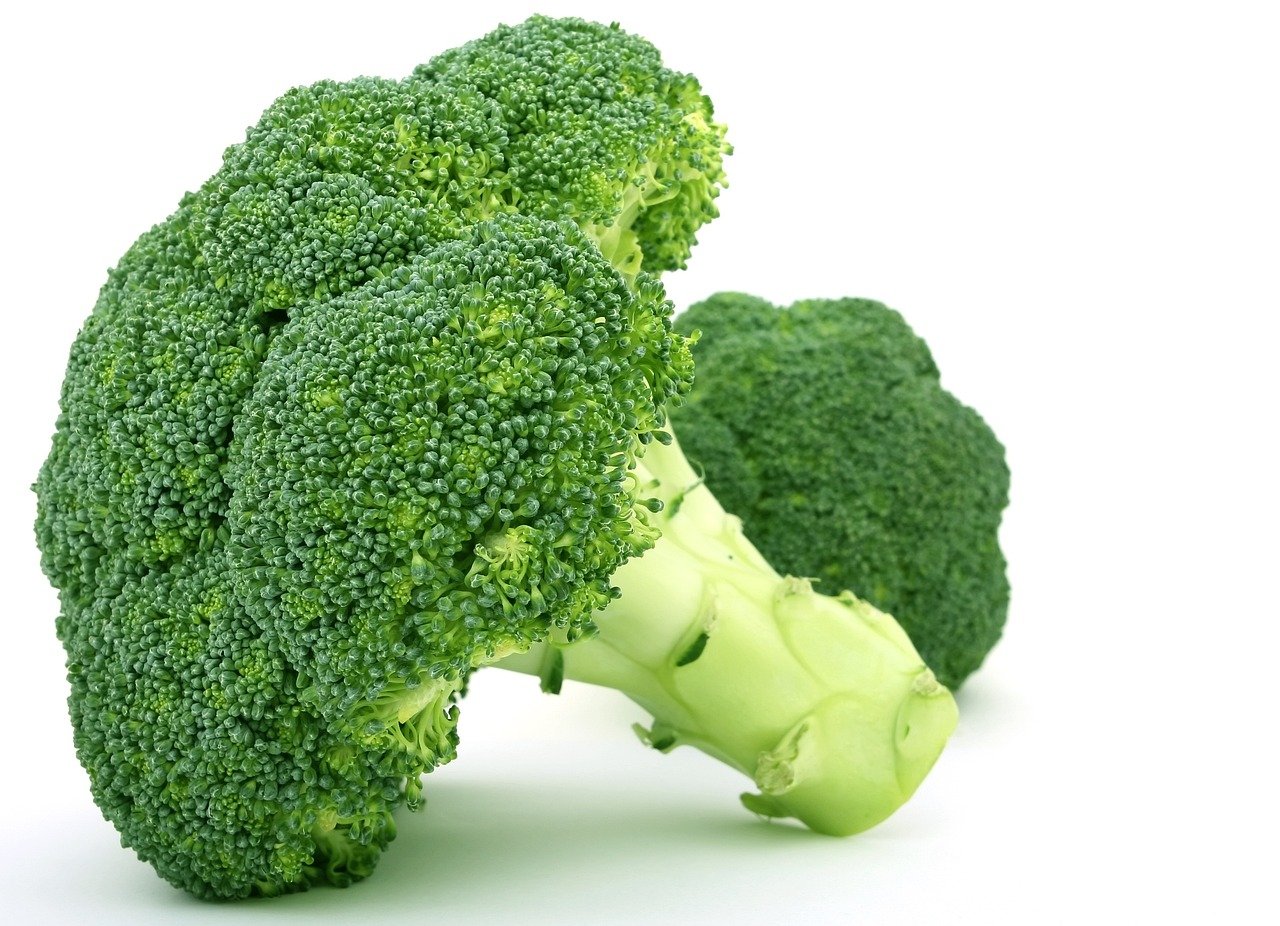
- Non-starchy vegetables (half of the plate): These include spinach, broccoli, carrots, lettuce, tomatoes, and peppers. They are low in carbohydrates and high in nutrients.
- Lean protein (one quarter of the plate): Examples include chicken breast, fish, turkey, beans, lentils, tofu, and eggs. Protein helps you feel full and doesn’t significantly raise blood sugar.
- Starchy foods (one quarter of the plate): Choose whole grains like brown rice, quinoa, whole-wheat pasta, or starchy vegetables like sweet potatoes or corn. Be mindful of portion sizes.
Example: A healthy diabetic meal might include grilled chicken breast (protein), a large salad with mixed greens, tomatoes, and cucumbers (non-starchy vegetables), and a small portion of brown rice (starchy food).
Choosing the Right Carbohydrates
Not all carbohydrates are created equal. When selecting carbs, focus on those with a lower glycemic index (GI) and higher fiber content.
- Low-GI carbohydrates: These are digested and absorbed more slowly, leading to a gradual rise in blood sugar. Examples include whole grains, legumes, and most fruits.
- High-fiber carbohydrates: Fiber slows down the absorption of glucose, helping to stabilize blood sugar levels. Good sources include whole grains, vegetables, fruits, and legumes.
- Limit simple sugars: Avoid sugary drinks, processed foods, candy, and desserts. These cause rapid spikes in blood sugar.
Practical Tip: When buying bread, look for “whole wheat” as the first ingredient. Avoid white bread and pastries, which are high in simple sugars.
Importance of Protein and Healthy Fats
Protein and healthy fats play essential roles in a diabetic diet:
- Protein: Promotes satiety, helps maintain muscle mass, and doesn’t significantly raise blood sugar. Choose lean sources like chicken, fish, turkey, beans, lentils, and tofu.
- Healthy fats: Improve insulin sensitivity, support heart health, and provide essential nutrients. Opt for unsaturated fats found in avocados, nuts, seeds, olive oil, and fatty fish like salmon.
Caution: Limit saturated and trans fats, which can increase the risk of heart disease. These are found in red meat, processed foods, and fried foods.
Foods to Include and Avoid in Your Diabetes Diet
Foods to Embrace
These foods should form the foundation of your diabetic diet:
- Non-starchy vegetables: Broccoli, spinach, kale, lettuce, tomatoes, cucumbers, peppers, onions, mushrooms, etc.
- Fruits: Berries, apples, oranges, pears, peaches (in moderation).
- Whole grains: Brown rice, quinoa, oats, whole-wheat bread and pasta.
- Lean proteins: Chicken breast, fish, turkey, beans, lentils, tofu, eggs.
- Healthy fats: Avocados, nuts, seeds, olive oil, fatty fish (salmon, tuna).
- Dairy: Unsweetened yogurt, low-fat milk (in moderation).
Foods to Limit or Avoid
These foods can negatively impact blood sugar control and should be limited or avoided:
- Sugary drinks: Soda, juice, sweetened teas, sports drinks.
- Processed foods: Packaged snacks, fast food, processed meats.
- Refined grains: White bread, white rice, pasta made with white flour.
- Sweets and desserts: Candy, cakes, cookies, ice cream.
- Saturated and trans fats: Red meat, fried foods, processed foods.
- Excessive alcohol: If consumed, do so in moderation and with food.
Example: Swap sugary soda for water with a squeeze of lemon or lime. Replace white bread with whole-wheat bread for sandwiches.
Understanding Food Labels
Learning to read food labels is essential for making informed choices. Pay attention to the following:
- Serving size: All nutritional information is based on the serving size listed.
- Total carbohydrates: This includes sugars, starches, and fiber.
- Fiber: Aim for foods with a high fiber content.
- Sugars: Choose foods with low added sugar content.
- Fat content: Limit saturated and trans fats.
Actionable Takeaway: Compare different brands of the same product and choose the one with lower sugar and higher fiber content.
Meal Planning and Portion Control
Creating a Meal Plan
Meal planning can simplify healthy eating and improve blood sugar control. Consider these steps:
Sample Meal Plan:
- Breakfast: Oatmeal with berries and a sprinkle of nuts.
- Lunch: Salad with grilled chicken, avocado, and mixed vegetables.
- Dinner: Baked salmon with roasted broccoli and quinoa.
- Snacks: Apple slices with peanut butter, a handful of almonds, or a small container of plain yogurt.
Portion Control Strategies
Even healthy foods can raise blood sugar if eaten in excessive amounts. Here are some strategies for portion control:
- Use smaller plates and bowls: This can help you visually reduce your portion sizes.
- Measure your food: Use measuring cups and spoons to accurately portion your meals.
- Avoid eating directly from the package: This can lead to overeating.
- Be mindful while eating: Pay attention to your hunger cues and stop eating when you feel satisfied, not stuffed.
Example: Instead of filling a large plate with pasta, use a smaller bowl and add a side salad to increase the volume of your meal without significantly increasing carbohydrate intake.
Working with a Registered Dietitian
Consulting with a registered dietitian (RD) or certified diabetes educator (CDE) is highly recommended. They can provide personalized guidance and create a meal plan tailored to your individual needs and preferences. An RD or CDE can help you:
- Assess your nutritional needs and create a customized meal plan.
- Educate you about diabetes management and healthy eating habits.
- Help you set realistic goals and track your progress.
- Adjust your meal plan as needed based on your blood sugar levels and other health factors.
Monitoring Blood Sugar and Adjusting Your Diet
Importance of Blood Sugar Monitoring
Regular blood sugar monitoring is essential for understanding how your diet and lifestyle affect your blood glucose levels. This information can help you and your healthcare team make informed decisions about your diabetes management plan.
- Frequency: The frequency of blood sugar monitoring depends on the type of diabetes you have, your treatment plan, and your individual needs. Your doctor or diabetes educator will provide specific recommendations.
- Tools: A glucose meter is used to measure blood sugar levels. Continuous glucose monitors (CGMs) are also available, which provide continuous readings throughout the day and night.
Interpreting Blood Sugar Readings
Understanding your blood sugar readings is crucial for adjusting your diet and lifestyle. General target ranges for blood sugar levels are:
- Before meals: 80-130 mg/dL
- Two hours after meals: Less than 180 mg/dL
These are general guidelines, and your target range may vary depending on your individual circumstances. Discuss your target range with your doctor or diabetes educator.
Adjusting Your Diet Based on Blood Sugar Levels
If your blood sugar levels are consistently outside of your target range, you may need to adjust your diet. Consider the following:
- High blood sugar: Reduce your carbohydrate intake, especially simple sugars and refined grains. Increase your physical activity.
- Low blood sugar: Consume a quick-acting source of carbohydrates, such as glucose tablets, fruit juice, or hard candy. Follow up with a balanced snack or meal.
- Keep a food journal: Record what you eat and your corresponding blood sugar levels to identify patterns and make informed adjustments.
Important Note: Always consult with your doctor or diabetes educator before making significant changes to your diet or medication.
Conclusion
Managing diabetes through diet is a continuous journey of learning, adjusting, and making informed choices. By understanding the principles of a diabetes-friendly diet, building balanced meals, and monitoring your blood sugar levels, you can empower yourself to live a healthier and more fulfilling life. Remember to prioritize whole foods, control portion sizes, and work closely with your healthcare team to create a personalized plan that meets your individual needs. With dedication and consistency, you can effectively manage your diabetes and thrive.