A healthy cholesterol level is crucial for maintaining overall cardiovascular health. Diet plays a pivotal role in managing cholesterol, often proving to be a powerful tool in lowering LDL (“bad”) cholesterol and raising HDL (“good”) cholesterol. Understanding which foods to embrace and which to limit can significantly impact your heart health and reduce the risk of heart disease and stroke. This blog post will provide a comprehensive guide to dietary strategies for optimizing your cholesterol levels.
Understanding Cholesterol and Its Impact
What is Cholesterol?
Cholesterol is a waxy, fat-like substance found in all cells of your body. Your body needs cholesterol to make hormones, vitamin D, and substances that help you digest foods. Cholesterol travels through your blood on proteins called lipoproteins. There are two main types of cholesterol:
- Low-density lipoprotein (LDL): Often called “bad” cholesterol. High levels of LDL can lead to a buildup of plaque in your arteries, increasing your risk of heart disease and stroke.
- High-density lipoprotein (HDL): Known as “good” cholesterol. HDL helps remove LDL cholesterol from your arteries.
The Importance of Managing Cholesterol
Maintaining healthy cholesterol levels is vital for preventing atherosclerosis, a condition where plaque builds up inside your arteries. Over time, this plaque can harden and narrow your arteries, limiting blood flow to your heart and other organs. Uncontrolled high cholesterol can lead to:
- Heart attack
- Stroke
- Peripheral artery disease (PAD)
- Chest pain (angina)
According to the Centers for Disease Control and Prevention (CDC), nearly 38% of American adults have high cholesterol. Making informed dietary choices is a critical step in managing and improving these numbers.
Foods to Embrace: Building a Cholesterol-Lowering Diet
Fiber-Rich Foods
Soluble fiber is particularly effective in lowering LDL cholesterol by binding to cholesterol in the digestive system, preventing it from being absorbed into the bloodstream.
- Oatmeal and Oat Bran: Starting your day with a bowl of oatmeal is a great way to increase your fiber intake. Aim for 1-2 cups of cooked oatmeal daily.
- Fruits: Apples, bananas, oranges, pears, and prunes are all good sources of soluble fiber.
- Vegetables: Brussels sprouts, carrots, and beans are excellent additions to your diet.
- Legumes: Lentils, kidney beans, and chickpeas are not only high in fiber but also provide a good source of protein.
Actionable Tip: Gradually increase your fiber intake to avoid digestive discomfort. Aim for 25-30 grams of fiber per day.
Healthy Fats
While it’s important to reduce saturated and trans fats, incorporating healthy fats into your diet can help improve your cholesterol profile.
- Avocados: Rich in monounsaturated fats, avocados can help lower LDL cholesterol while raising HDL cholesterol. Enjoy a quarter to half of an avocado per day.
- Nuts and Seeds: Almonds, walnuts, flaxseeds, and chia seeds are packed with heart-healthy fats, fiber, and omega-3 fatty acids. Consume a handful (about 1.5 ounces) of nuts per day.
- Olive Oil: Use olive oil as your primary cooking oil. Its monounsaturated fats help lower LDL cholesterol.
- Fatty Fish: Salmon, tuna, mackerel, and sardines are rich in omega-3 fatty acids, which can help lower triglycerides and raise HDL cholesterol. Aim for at least two servings per week.
Actionable Tip: Replace unhealthy fats like butter and lard with olive oil and avocado oil in your cooking.
Plant Sterols and Stanols
Plant sterols and stanols are compounds that naturally occur in plants and can help block the absorption of cholesterol in the small intestine.
- Fortified Foods: Many foods, such as yogurt, orange juice, and margarine, are fortified with plant sterols and stanols. Look for products that contain at least 2 grams per serving.
- Natural Sources: While available in smaller amounts, plant sterols and stanols can also be found in whole grains, fruits, vegetables, nuts, and seeds.
Actionable Tip: Consume plant sterol-fortified foods daily to maximize their cholesterol-lowering benefits.
Foods to Limit: Reducing Harmful Fats
Saturated Fats
Saturated fats can raise LDL cholesterol levels, increasing your risk of heart disease. Limit your intake of these foods:
- Red Meat: Beef, lamb, and pork are high in saturated fats. Choose leaner cuts and limit your consumption.
- Processed Meats: Bacon, sausage, and deli meats are often high in saturated fats and sodium.
- Full-Fat Dairy Products: Whole milk, cheese, and butter are significant sources of saturated fat. Opt for low-fat or non-fat alternatives.
- Tropical Oils: Coconut oil, palm oil, and palm kernel oil are high in saturated fats. Use them sparingly.
Actionable Tip: Replace red meat with poultry, fish, or plant-based protein sources. Choose low-fat dairy options and limit your consumption of processed meats.
Trans Fats
Trans fats, also known as partially hydrogenated oils, are even worse than saturated fats. They not only raise LDL cholesterol but also lower HDL cholesterol.
- Fried Foods: Many fried foods, especially those from fast-food restaurants, contain trans fats.
- Baked Goods: Commercially baked goods, such as cookies, cakes, and pastries, often contain trans fats.
- Processed Snacks: Some processed snacks, such as microwave popcorn and crackers, may contain trans fats.
Actionable Tip: Read food labels carefully to avoid trans fats. Look for the words “partially hydrogenated oil” in the ingredient list.
Added Sugars
High intake of added sugars, especially from sugary drinks and processed foods, can contribute to elevated triglyceride levels and lower HDL cholesterol.
- Sugary Drinks: Soda, juice, and sweetened beverages are high in added sugars. Opt for water, unsweetened tea, or sparkling water.
- Processed Foods: Many processed foods, such as cereals, sauces, and condiments, contain added sugars. Read labels carefully and choose products with minimal added sugar.
- Sweets and Desserts: Limit your consumption of candy, cakes, cookies, and other sugary treats.
Actionable Tip: Reduce your intake of sugary drinks and processed foods. Choose whole, unprocessed foods whenever possible.
Meal Planning and Preparation
Sample Meal Plan
Here’s a sample meal plan designed to help lower cholesterol:
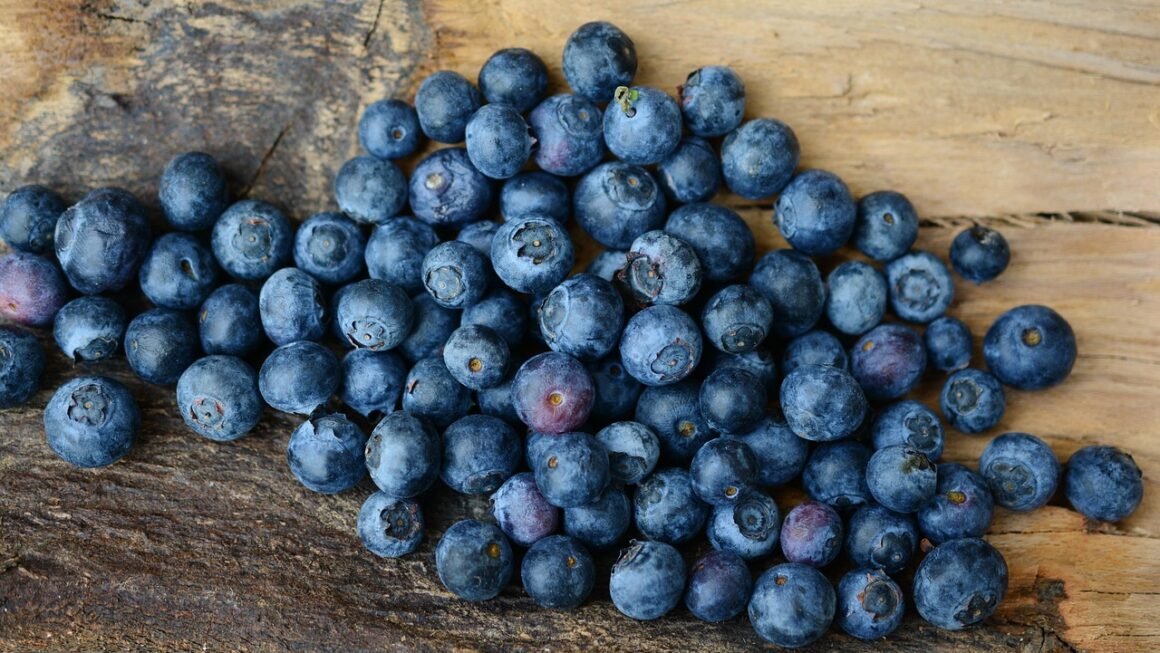
- Breakfast: Oatmeal with berries and a handful of almonds.
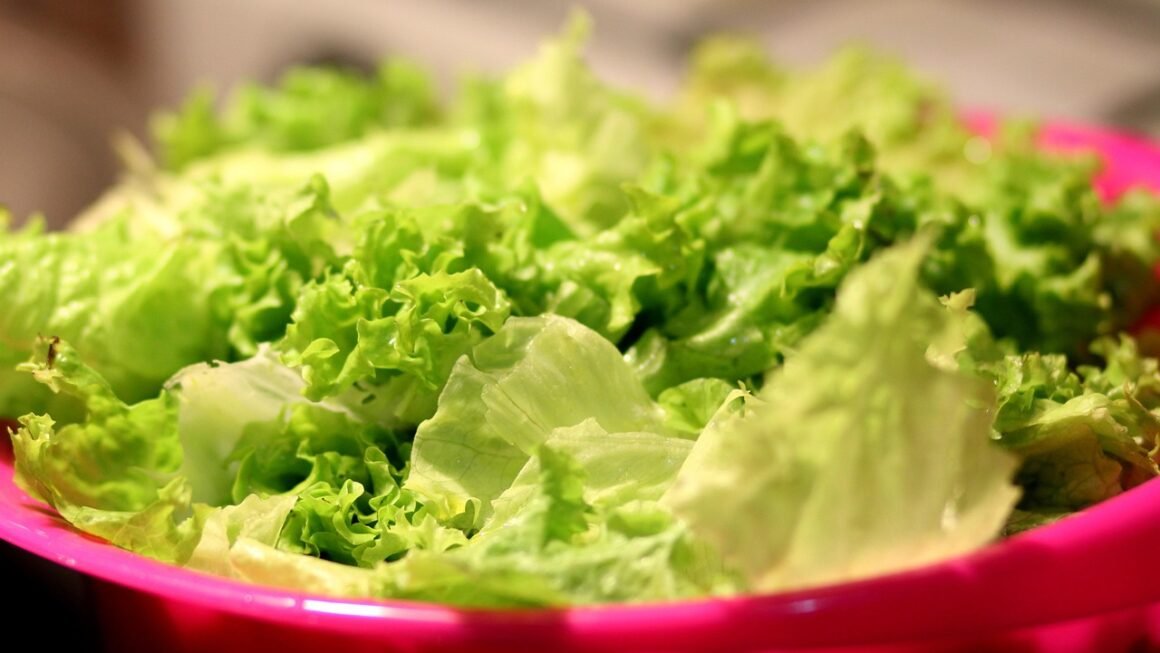
- Lunch: Salad with grilled chicken or fish, mixed greens, and a vinaigrette dressing.
- Dinner: Baked salmon with roasted vegetables (broccoli, carrots, and Brussels sprouts).
- Snacks: Apple slices with peanut butter, a small handful of walnuts, or Greek yogurt with fruit.
Cooking Tips
- Bake, Grill, or Steam: Instead of frying foods, opt for healthier cooking methods.
- Use Herbs and Spices: Flavor your food with herbs and spices instead of salt and high-fat sauces.
- Read Labels: Be mindful of portion sizes and nutritional information on food labels.
- Prepare Meals in Advance: Planning your meals ahead of time can help you make healthier choices and avoid impulsive decisions.
Actionable Tip: Batch cook on the weekends to have healthy meals ready throughout the week.
Beyond Diet: Lifestyle Factors
Exercise
Regular physical activity can help lower LDL cholesterol and raise HDL cholesterol. Aim for at least 30 minutes of moderate-intensity exercise most days of the week.
- Aerobic Exercise: Activities like brisk walking, jogging, swimming, and cycling are beneficial for improving cholesterol levels.
- Strength Training: Incorporating strength training exercises can also help improve your overall health and cholesterol profile.
Weight Management
Losing even a small amount of weight can have a positive impact on your cholesterol levels. Focus on making sustainable lifestyle changes rather than following fad diets.
Quit Smoking
Smoking lowers HDL cholesterol and increases LDL cholesterol, significantly increasing your risk of heart disease. Quitting smoking is one of the best things you can do for your heart health.
Conclusion
Managing cholesterol through diet and lifestyle changes is a proactive and effective way to protect your heart health. By incorporating fiber-rich foods, healthy fats, and plant sterols into your diet, while limiting saturated fats, trans fats, and added sugars, you can significantly improve your cholesterol levels and reduce your risk of heart disease. Remember to combine these dietary strategies with regular exercise, weight management, and quitting smoking for optimal results. Consult with a healthcare professional or registered dietitian for personalized advice tailored to your specific needs and health conditions.