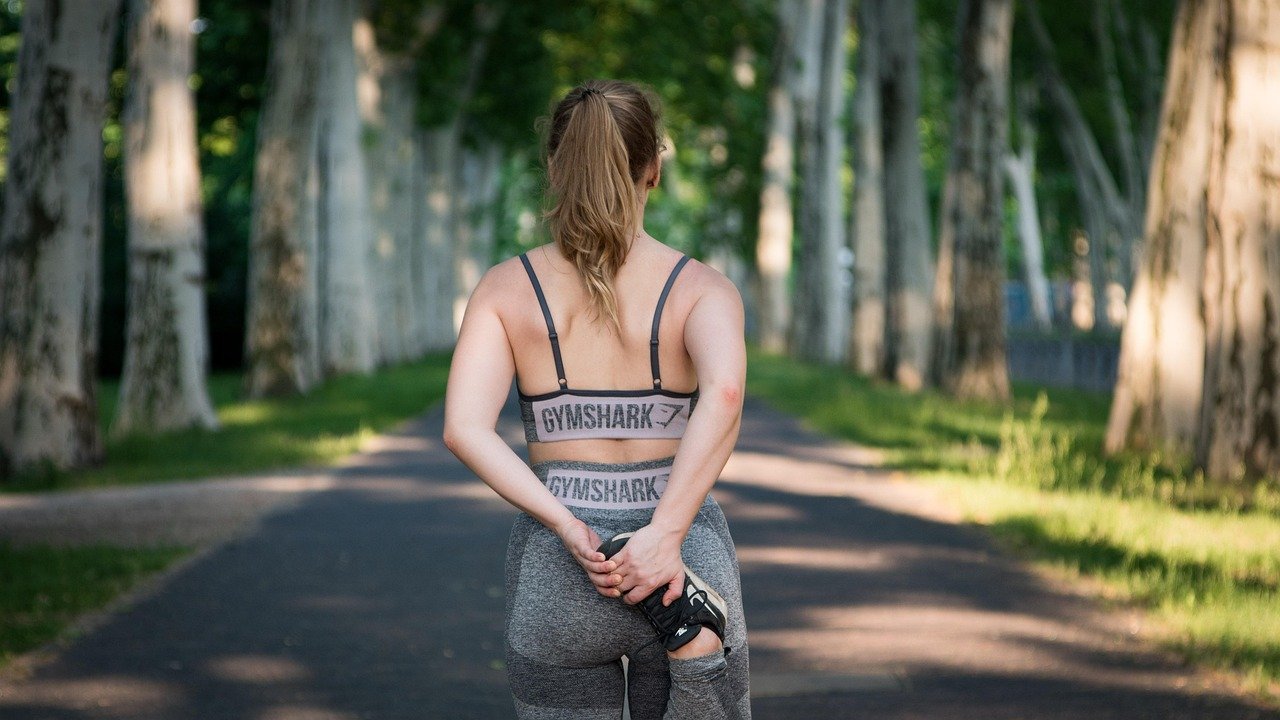
Embarking on a fitness journey can feel overwhelming. With so much information available, knowing where to start and how to maintain momentum can be a real challenge. This comprehensive fitness guide breaks down the essential elements of a successful fitness plan, providing actionable steps and expert tips to help you achieve your health and wellness goals, regardless of your current fitness level. Let’s dive in and create a healthier, happier you!
Setting Realistic Fitness Goals
Why Goal Setting is Crucial
Setting clear and achievable fitness goals is the foundation of any successful program. Without defined goals, it’s easy to lose motivation and struggle to track progress. Well-defined goals provide direction, enhance motivation, and allow you to measure your success.
- Provides Direction: Helps you stay focused on what you want to achieve.
- Enhances Motivation: Gives you something to strive for and celebrate.
- Tracks Progress: Allows you to see how far you’ve come and adjust accordingly.
SMART Goal Framework
A popular and effective approach is the SMART goal framework:
- Specific: Clearly define what you want to achieve. Instead of “get in shape,” try “lose 10 pounds.”
- Measurable: How will you track your progress? Use numbers – e.g., “run a mile in under 8 minutes.”
- Achievable: Set a goal that is challenging but realistic. Assess your current fitness level and consider any limitations.
- Relevant: Ensure your goal aligns with your overall health and wellness objectives.
- Time-bound: Set a deadline. “Lose 10 pounds in 12 weeks” is a time-bound goal.
- Example:
Instead of “I want to get stronger,” a SMART goal would be: “I want to be able to bench press my body weight (150lbs) within 6 months by consistently training three times per week.”
Types of Fitness Goals
- Weight Loss/Gain: Losing or gaining a specific amount of weight within a certain timeframe.
- Strength Training: Increasing the weight you can lift or the number of repetitions you can perform.
- Endurance: Improving your cardiovascular fitness, such as running a longer distance or completing a marathon.
- Flexibility: Increasing your range of motion in joints.
- Skill-Based: Mastering a specific fitness skill, like doing a pull-up or handstand.
Designing a Balanced Workout Routine
Cardio for Cardiovascular Health
Cardiovascular exercise is essential for heart health, weight management, and overall well-being. It involves activities that raise your heart rate and breathing rate.
- Benefits of Cardio:
Improves heart health and lowers blood pressure.
Burns calories and aids in weight loss.
Boosts mood and reduces stress.
Increases endurance and stamina.
- Types of Cardio:
Running: A great option for burning calories and improving cardiovascular fitness. Start with short intervals and gradually increase distance.
Swimming: Low-impact exercise that works the entire body.
Cycling: Another low-impact option that’s easy on the joints.
Walking: A simple and accessible activity for all fitness levels. Aim for at least 30 minutes of brisk walking most days of the week.
HIIT (High-Intensity Interval Training): Alternating between short bursts of intense exercise and periods of rest or lower-intensity exercise. Example: 30 seconds of sprinting followed by 60 seconds of walking, repeated 10-15 times.
- Recommendations: Aim for at least 150 minutes of moderate-intensity or 75 minutes of vigorous-intensity aerobic activity per week, as recommended by the American Heart Association.
Strength Training for Muscle Building
Strength training, also known as resistance training, builds muscle mass, increases strength, and improves bone density.
- Benefits of Strength Training:
Increases muscle mass and strength.
Boosts metabolism and helps burn more calories at rest.
Improves bone density and reduces the risk of osteoporosis.
Enhances posture and balance.
- Types of Strength Training:
Weightlifting: Using dumbbells, barbells, or weight machines to lift heavy objects.
Bodyweight Exercises: Using your own body weight for resistance, such as push-ups, squats, and lunges.
Resistance Bands: Using elastic bands to provide resistance during exercises.
- Sample Strength Training Routine:
Squats: 3 sets of 10-12 repetitions.
Push-ups: 3 sets of as many repetitions as possible (AMRAP).
Dumbbell Rows: 3 sets of 10-12 repetitions per arm.
Overhead Press: 3 sets of 8-10 repetitions.
Plank: Hold for 30-60 seconds, 3 repetitions.
- Recommendations: Aim for 2-3 strength training sessions per week, focusing on different muscle groups each session.
Flexibility and Mobility
Flexibility and mobility are often overlooked but are crucial for injury prevention and overall fitness.
- Benefits of Flexibility and Mobility:
Reduces the risk of injury.
Improves posture and range of motion.
Relieves muscle tension and soreness.
Enhances athletic performance.
- Types of Flexibility and Mobility Exercises:
Static Stretching: Holding a stretch for 30-60 seconds.
Dynamic Stretching: Performing controlled movements through a full range of motion.
Foam Rolling: Using a foam roller to release muscle tension and improve circulation.
Yoga: Combining physical postures, breathing techniques, and meditation.
Pilates: Focusing on core strength, flexibility, and body awareness.
- Example Routine:
Hamstring Stretch: Hold for 30 seconds per leg.
Quad Stretch: Hold for 30 seconds per leg.
Shoulder Stretch: Hold for 30 seconds per arm.
Cat-Cow Stretch: Perform 10 repetitions.
Hip Flexor Stretch: Hold for 30 seconds per leg.
- Recommendations: Incorporate flexibility and mobility exercises into your daily routine, either before or after workouts.
Nutrition for Optimal Performance
Macronutrients: The Building Blocks
Macronutrients are essential nutrients that provide energy and support various bodily functions. They include carbohydrates, proteins, and fats.
- Carbohydrates: The primary source of energy for the body. Choose complex carbohydrates like whole grains, fruits, and vegetables over simple sugars.
- Proteins: Essential for building and repairing tissues, as well as supporting muscle growth. Good sources include lean meats, poultry, fish, beans, and lentils. Aim for 0.8 grams of protein per kilogram of body weight for general health, and up to 1.2-1.7 grams per kilogram for athletes.
- Fats: Important for hormone production, brain function, and absorption of fat-soluble vitamins. Choose healthy fats like avocados, nuts, seeds, and olive oil.
Hydration: The Key to Performance
Staying hydrated is crucial for optimal performance, especially during exercise. Dehydration can lead to fatigue, muscle cramps, and decreased performance.
- Recommendations:
Drink plenty of water throughout the day.
Drink water before, during, and after exercise.
Consider electrolyte drinks for longer or more intense workouts.
Monitor urine color – light yellow indicates adequate hydration.
Meal Timing and Pre/Post-Workout Nutrition
Eating the right foods at the right time can enhance performance and recovery.
- Pre-Workout: Consume a meal or snack that is high in carbohydrates and moderate in protein 1-3 hours before exercise. Examples: oatmeal with berries, a banana with peanut butter, or a whole-wheat sandwich with turkey.
- Post-Workout: Replenish glycogen stores and repair muscle damage by consuming a meal or snack that is high in carbohydrates and protein within 30-60 minutes after exercise. Examples: a protein shake with fruit, Greek yogurt with granola, or chicken breast with brown rice.
Example Meal Plan
- Breakfast: Oatmeal with berries and nuts.
- Lunch: Grilled chicken salad with mixed greens and avocado.
- Dinner: Salmon with roasted vegetables and quinoa.
- Snacks: Greek yogurt, fruits, nuts, protein bars.
Tracking Progress and Staying Motivated
Importance of Tracking
Tracking your progress is essential for staying motivated and making adjustments to your fitness plan.
- Methods of Tracking:
Fitness Trackers: Wearable devices that track steps, heart rate, sleep, and other metrics.
Weight Scale: Monitor changes in weight over time.
Body Measurements: Track changes in waist, hips, and other body parts.
Workout Logs: Record the exercises, sets, repetitions, and weight lifted during each workout.
Progress Photos: Take photos of yourself regularly to visually track changes in your body.
Overcoming Plateaus
Plateaus are a common challenge in fitness. To overcome them:
- Change your Routine: Introduce new exercises, increase the intensity, or try a different workout style.
- Adjust your Diet: Re-evaluate your calorie intake and macronutrient ratios.
- Prioritize Sleep: Aim for 7-9 hours of quality sleep per night.
- Manage Stress: Practice stress-reducing activities like yoga, meditation, or spending time in nature.
Staying Motivated
Maintaining motivation is key to long-term success.
- Find an Accountability Partner: Exercise with a friend or family member who can provide support and encouragement.
- Join a Fitness Community: Connect with others who share your fitness goals.
- Reward Yourself: Celebrate your achievements with non-food rewards, such as a new workout outfit or a massage.
- Set Short-Term Goals: Break down your long-term goals into smaller, more manageable steps.
- Visualize Success:* Imagine yourself achieving your goals and the positive impact it will have on your life.
Conclusion
A successful fitness journey is a combination of realistic goal setting, a balanced workout routine, proper nutrition, and consistent progress tracking. By implementing the strategies outlined in this fitness guide, you can transform your health and achieve your fitness aspirations. Remember to stay consistent, be patient with yourself, and celebrate your progress along the way. Building a healthier you is a marathon, not a sprint!