Embarking on a journey to transform your relationship with food and potentially revitalize your health? The Whole30 diet, a 30-day elimination diet, promises just that. It’s more than just a diet; it’s a reset. This comprehensive guide will delve into the intricacies of Whole30, exploring its principles, benefits, potential drawbacks, and how to succeed in this transformative experience. Prepare to learn everything you need to know to decide if Whole30 is right for you.
What is the Whole30 Diet?
Core Principles
The Whole30 is a structured 30-day program designed to eliminate foods that may be causing negative reactions in your body. It’s not a weight-loss diet, although weight loss may occur. The focus is on identifying foods that may be impacting your energy levels, digestion, skin, sleep, and overall well-being. The program is centered around eating whole, unprocessed foods and cutting out potentially problematic food groups. The Whole30 creators advocate for reading labels carefully and prioritizing whole, single-ingredient foods.
Foods to Include
During the 30 days, you will primarily be eating the following:
- Meats: Beef, chicken, pork, lamb, seafood (fish, shellfish) – Choose high-quality, grass-fed, and pasture-raised options whenever possible.
- Vegetables: All vegetables are allowed.
- Fruits: Most fruits are allowed, but moderation is key, especially for those with blood sugar issues.
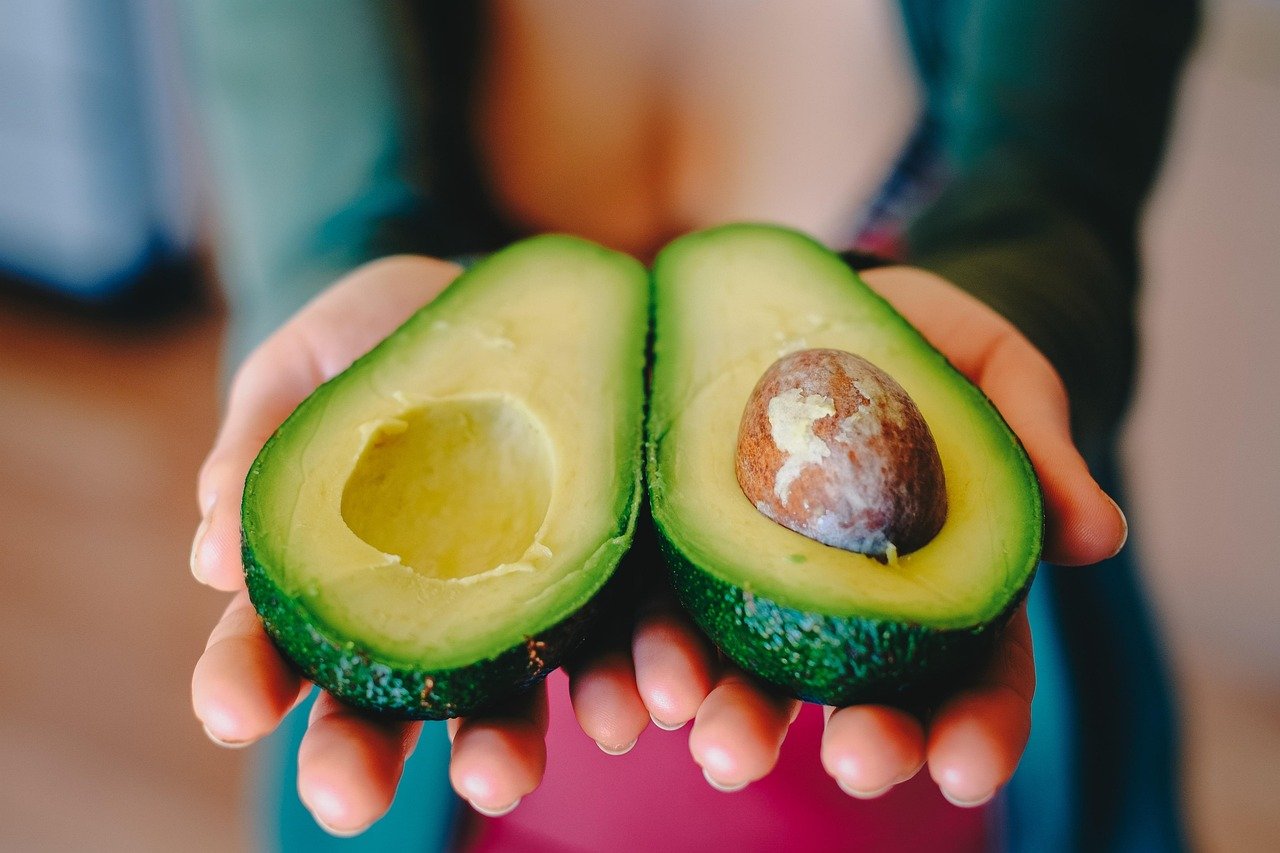
- Healthy Fats: Avocados, olives, coconut oil, olive oil, avocado oil.
- Nuts & Seeds: Nuts and seeds (except peanuts, which are legumes), and their butters.
- Eggs: All kinds of eggs.
Foods to Avoid
The following food groups are strictly prohibited during the 30 days:
- Added Sugar: This includes honey, maple syrup, agave, and artificial sweeteners. Read labels carefully, as sugar can be hidden in unexpected places.
- Alcohol: All forms of alcohol are off-limits, even for cooking.
- Grains: This includes wheat, rye, barley, oats, corn, rice, quinoa, and pseudo-cereals like amaranth and buckwheat.
- Legumes: This includes beans, lentils, peas, peanuts, and soy.
- Dairy: All dairy products are excluded, including milk, cheese, yogurt, butter, and ice cream. Ghee (clarified butter) is generally allowed.
- Processed Foods: Avoid foods with long ingredient lists or unrecognizable ingredients. This includes most packaged snacks and processed meats.
- “Recreated” Treats: Avoid making “paleo pancakes” or “keto cookies” during the 30 days. The goal is to break your reliance on these foods and address your cravings.
- Example: Instead of reaching for a sweetened yogurt in the morning, try scrambled eggs with spinach and avocado. For a snack, opt for an apple with almond butter instead of a granola bar.
Potential Benefits of the Whole30
Improved Energy Levels
Many participants report a significant increase in energy levels after completing the Whole30. This is likely due to cutting out processed foods and added sugars, which can cause energy crashes.
- Actionable Takeaway: Pay attention to how your energy levels fluctuate throughout the day before, during, and after your Whole30.
Enhanced Digestion
Eliminating common gut irritants like gluten and dairy can improve digestion and reduce bloating.
- Statistic: A study published in the American Journal of Gastroenterology found that eliminating gluten improved symptoms in individuals with non-celiac gluten sensitivity. While Whole30 eliminates more than just gluten, the principle is the same.
Clearer Skin
Some participants experience clearer skin as a result of reducing inflammation and eliminating potential allergens.
- Example: Sugar is known to contribute to inflammation, which can exacerbate skin conditions like acne and eczema. Cutting it out for 30 days can allow the skin to heal.
Better Sleep
Improvements in sleep quality are commonly reported, likely due to the elimination of processed foods and sugar, which can disrupt sleep patterns.
- Practical Tip: Track your sleep quality throughout your Whole30 using a sleep tracking app or journal.
Identification of Food Sensitivities
The reintroduction phase after the 30 days is crucial for identifying specific food sensitivities. By systematically reintroducing food groups, you can pinpoint which foods may be causing negative reactions.
- Key Point: The reintroduction phase is just as important as the elimination phase. Don’t skip it!
Potential Drawbacks and Considerations
Restrictiveness
The Whole30 is a highly restrictive diet, which can be challenging for some individuals to maintain. Social situations and eating out can be particularly difficult.
- Recommendation: Plan ahead for social events and prepare meals in advance.
Nutritional Deficiencies
If not planned carefully, the Whole30 could lead to nutritional deficiencies, especially if you’re not consuming a variety of fruits, vegetables, and healthy fats.
- Important Note: Consult with a registered dietitian or nutritionist to ensure you’re meeting your nutritional needs.
Psychological Impact
The restrictive nature of the diet can potentially lead to obsessive thoughts about food and eating.
- Recommendation: Focus on the positive aspects of the program and the potential benefits to your health. If you have a history of disordered eating, consult with a healthcare professional before starting the Whole30.
Not a Long-Term Solution
The Whole30 is not intended to be a long-term diet. It’s a temporary reset to help you identify food sensitivities and improve your relationship with food.
- Actionable Takeaway: Develop a sustainable eating plan after completing the Whole30, incorporating the knowledge you gained during the program.
Tips for Success on the Whole30
Plan Ahead
Meal planning is essential for success on the Whole30. Create a weekly meal plan and grocery list to ensure you have compliant foods on hand.
- Practical Tip: Dedicate a few hours each week to meal prepping. Cook large batches of compliant foods that you can easily grab and go.
Read Labels Carefully
Become a master label reader. Sugar, soy, and other non-compliant ingredients can be hidden in unexpected places.
- Example: Salad dressings, sauces, and processed meats often contain added sugar.
Find Support
Connect with other people who are doing the Whole30 for support and encouragement. Online forums and social media groups can be valuable resources.
- Recommendation: Join the official Whole30 forums or a local Whole30 support group.
Be Prepared for the Reintroduction Phase
The reintroduction phase is just as important as the elimination phase. Follow the recommended reintroduction schedule and pay close attention to how your body reacts to each food group.
- Key Point: Reintroduce one food group at a time, allowing a few days between each reintroduction to assess your reaction.
Focus on Non-Scale Victories
Weight loss is not the primary goal of the Whole30. Focus on other benefits, such as increased energy, improved digestion, and clearer skin.
- Actionable Takeaway:* Track your non-scale victories in a journal or app.
Conclusion
The Whole30 is a powerful tool for transforming your relationship with food and identifying potential food sensitivities. While it can be challenging, the potential benefits are significant. By planning ahead, reading labels carefully, and finding support, you can increase your chances of success and reap the rewards of this transformative program. Remember that it’s not a long-term solution, but rather a 30-day reset to inform healthier eating habits for the future. Consult with a healthcare professional before starting any new diet, especially if you have underlying health conditions.