Embarking on a journey to transform your health and relationship with food? The Whole30 diet might just be the reset you need. This isn’t your typical weight-loss program; it’s a 30-day nutritional reset designed to help you eliminate cravings, restore a healthy metabolism, heal your digestive tract, and balance your immune system. Let’s dive deep into what the Whole30 is all about, how it works, and whether it’s the right choice for you.
What is the Whole30?
The Whole30 is a structured elimination diet that lasts for 30 days. The primary goal isn’t weight loss, although that can be a side effect. Instead, it focuses on identifying how specific food groups might be negatively impacting your health and well-being. By eliminating these foods for 30 days, and then carefully reintroducing them, you can gain valuable insights into your body’s unique responses.
Core Principles of the Whole30
- Elimination: Remove specific food groups known to potentially cause inflammation or digestive issues.
- Reset: Give your body a chance to heal and reset its systems.
- Reintroduction: Systematically reintroduce foods to identify sensitivities or intolerances.
- No Weighing or Measuring: The focus is on how you feel, not the numbers on the scale.
Foods Allowed on Whole30
While the list of restricted foods might seem daunting, there’s still a wide variety of delicious and nutritious foods you can enjoy. The Whole30 focuses on real, whole foods:
- Meat, Seafood, and Eggs: Opt for high-quality, sustainably sourced options whenever possible. Think grass-fed beef, wild-caught salmon, and pasture-raised eggs.
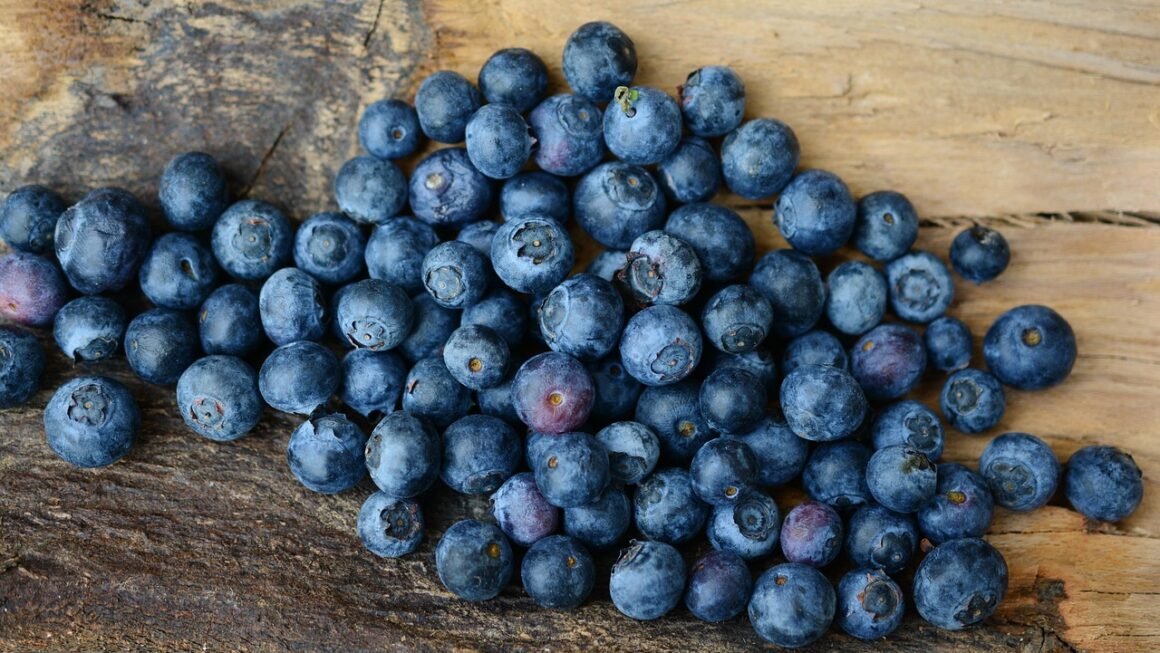
- Vegetables and Fruits: Load up on a colorful array of non-starchy vegetables and fruits.
- Natural Fats: Include healthy fats like avocados, olive oil, coconut oil, and nuts and seeds (excluding peanuts, which are legumes).
- Limited Legumes: Certain legumes are allowed, specifically green beans, sugar snap peas, and snow peas.
- Vinegars and Certain Seasonings: Balsamic, red wine, and apple cider vinegar are acceptable. Look for compliant seasonings without added sugar or prohibited ingredients.
What You Can’t Eat on Whole30
This is where the Whole30 gets its reputation for being restrictive. The following foods are strictly off-limits for the entire 30 days:
- Added Sugar (Real or Artificial): This includes honey, maple syrup, agave, coconut sugar, stevia, and all artificial sweeteners.
- Alcohol: All forms of alcohol are prohibited.
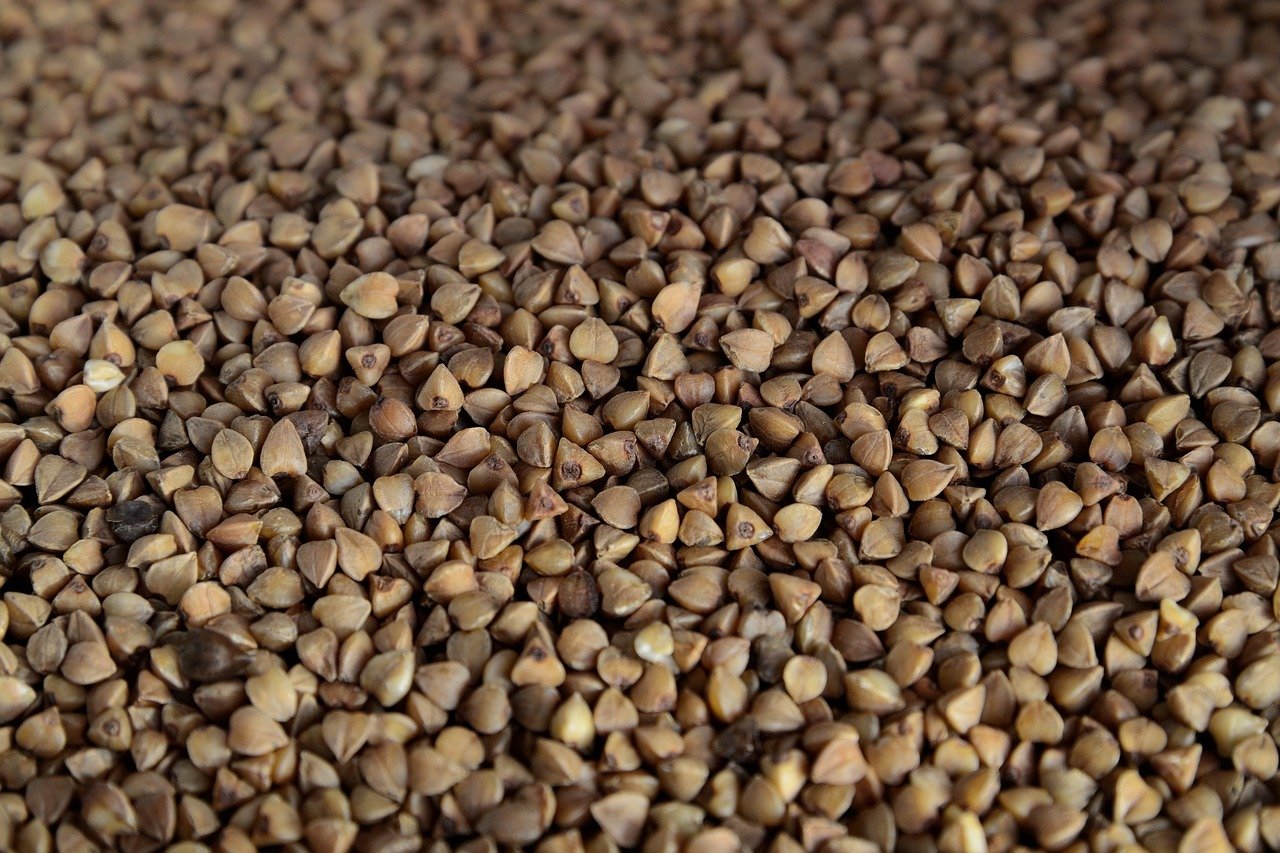
- Grains: This includes wheat, rye, barley, oats, corn, rice, and pseudo-grains like quinoa.
- Legumes: Aside from the few exceptions mentioned above (green beans, sugar snap peas, snow peas), all legumes are restricted, including peanuts, beans, lentils, and soy.
- Dairy: All dairy products, including milk, cheese, yogurt, and cream, are off-limits.
- Processed Foods: Avoid foods with long ingredient lists, artificial additives, and those that resemble baked goods, treats, or junk food – even if they’re made with compliant ingredients.
- Recreating Baked Goods: Don’t try to make “paleo pancakes” or “cauliflower pizza.” The Whole30 is about changing your relationship with food, not finding compliant substitutes for unhealthy habits.
Why These Restrictions?
The Whole30 restrictions are based on the belief that these food groups can contribute to:
- Inflammation: Which can lead to various health issues.
- Digestive Problems: Causing bloating, gas, and discomfort.
- Hormone Imbalances: Affecting energy levels, mood, and metabolism.
- Cravings: Perpetuating unhealthy eating habits.
Benefits of Doing a Whole30
While the Whole30 isn’t a quick fix, many people report experiencing significant benefits during and after the program.
Potential Health Improvements
- Improved Energy Levels: Eliminating processed foods and added sugars can lead to more sustained energy throughout the day.
- Reduced Inflammation: Many individuals experience a decrease in joint pain, skin issues, and other inflammation-related symptoms.
- Better Digestion: Removing potentially problematic foods can improve gut health and reduce digestive discomfort.
- Clearer Skin: Some people report improvements in acne and other skin conditions.
- Balanced Mood: Stable blood sugar levels can contribute to a more balanced mood and reduced cravings.
- Better Sleep: Improvements in diet and gut health can positively impact sleep quality.
- Identification of Food Sensitivities: The reintroduction phase is crucial for identifying foods that might be causing problems.
Beyond Physical Health
- Breaking Unhealthy Habits: The Whole30 can help you break free from sugar cravings and unhealthy food dependencies.
- Developing a Healthier Relationship with Food: It encourages mindful eating and a focus on whole, unprocessed foods.
- Gaining Self-Awareness: Learning how different foods affect your body can empower you to make informed choices about your diet.
- Example: A person struggling with chronic fatigue and digestive issues decides to try Whole30. By eliminating grains, dairy, and added sugars, they may notice a significant improvement in their energy levels and a reduction in bloating and gas. The reintroduction phase might reveal a sensitivity to gluten, prompting them to make long-term dietary changes.
Tips for a Successful Whole30
Planning and preparation are key to successfully completing a Whole30. Here are some tips to help you stay on track:
Planning and Preparation
- Meal Planning: Plan your meals for the week in advance. This will help you avoid making impulsive decisions when you’re hungry.
- Grocery Shopping: Create a detailed shopping list based on your meal plan and stick to it.
- Batch Cooking: Prepare large batches of compliant foods, such as roasted vegetables, cooked meats, and soups, to have on hand for quick meals.
- Read Labels Carefully: Become a diligent label reader to ensure that products don’t contain any prohibited ingredients.
- Find Support: Join online communities or find a friend to do the Whole30 with you for support and accountability.
Staying Compliant
- Avoid Temptation: Clear your pantry of non-compliant foods to reduce temptation.
- Be Prepared for Social Situations: Bring compliant snacks and meals to parties or events. Let people know you’re doing Whole30 to avoid pressure to eat non-compliant foods.
- Focus on What You Can Eat: Instead of dwelling on the restrictions, focus on the abundance of delicious and nutritious foods you can enjoy.
- Don’t Cheat: The Whole30 is designed to be a strict 30-day program. Even a small cheat can derail your progress.
- Stay Hydrated: Drink plenty of water throughout the day.
- Actionable Takeaway: Download a Whole30 shopping list template online and use it to plan your first week of meals. Focus on easy-to-prepare recipes to ease yourself into the program.
Reintroduction Phase: The Key to Long-Term Success
The reintroduction phase is arguably the most important part of the Whole30. This is where you systematically reintroduce food groups to identify any sensitivities or intolerances.
How to Reintroduce Food Groups
- Introduce One Food Group at a Time: Choose one food group to reintroduce (e.g., legumes, dairy, grains).
- Eat the Food Group for a Day: Eat a moderate portion of the food group several times throughout the day.
- Return to Whole30 Eating: Return to strict Whole30 eating for the next two days.
- Monitor Your Symptoms: Pay attention to how you feel physically and mentally. Look for any symptoms like bloating, gas, skin breakouts, headaches, fatigue, or changes in mood.
- Document Your Findings: Keep a journal to track which foods cause you problems.
Example Reintroduction Schedule
- Day 1-3: Reintroduce legumes. Eat beans, lentils, or peanuts throughout the day.
- Day 4-5: Return to strict Whole30.
- Day 6-8: Reintroduce dairy. Eat milk, cheese, or yogurt throughout the day.
- Day 9-10: Return to strict Whole30.
- Day 11-13: Reintroduce non-gluten grains (like rice or corn).
- Day 14-15: Return to strict Whole30.
- Day 16-18: Reintroduce gluten-containing grains (like wheat or barley).
- Actionable Takeaway: Prepare a reintroduction schedule before* you finish your Whole30. This will help you stay organized and track your results effectively.
Conclusion
The Whole30 is a powerful tool for transforming your health and your relationship with food. It’s not a diet, but rather a nutritional reset that can help you identify food sensitivities, break unhealthy habits, and develop a more mindful approach to eating. While it requires dedication and commitment, the potential benefits – improved energy levels, reduced inflammation, better digestion, and a greater understanding of your body – make it a worthwhile endeavor for many. Remember to approach the Whole30 with a focus on learning and self-discovery, and to use the reintroduction phase to guide your long-term dietary choices.