Considering a plant-based lifestyle? More and more people are embracing the vegan diet, and for good reason! Beyond being a compassionate choice for animals, a well-planned vegan diet can offer significant health benefits and contribute to a more sustainable planet. This guide provides a comprehensive overview of the vegan diet, covering everything from its definition to practical tips for getting started and ensuring you’re meeting your nutritional needs.
What is a Vegan Diet?
Definition and Core Principles
At its core, a vegan diet is a way of eating that excludes all animal products. This goes beyond just meat; vegans also abstain from consuming dairy, eggs, honey, and any other ingredients derived from animals. The principle behind veganism extends beyond diet to encompass a lifestyle that seeks to exclude all forms of animal exploitation and cruelty.
Foods Included in a Vegan Diet
A vibrant and varied vegan diet focuses on plant-based foods, including:
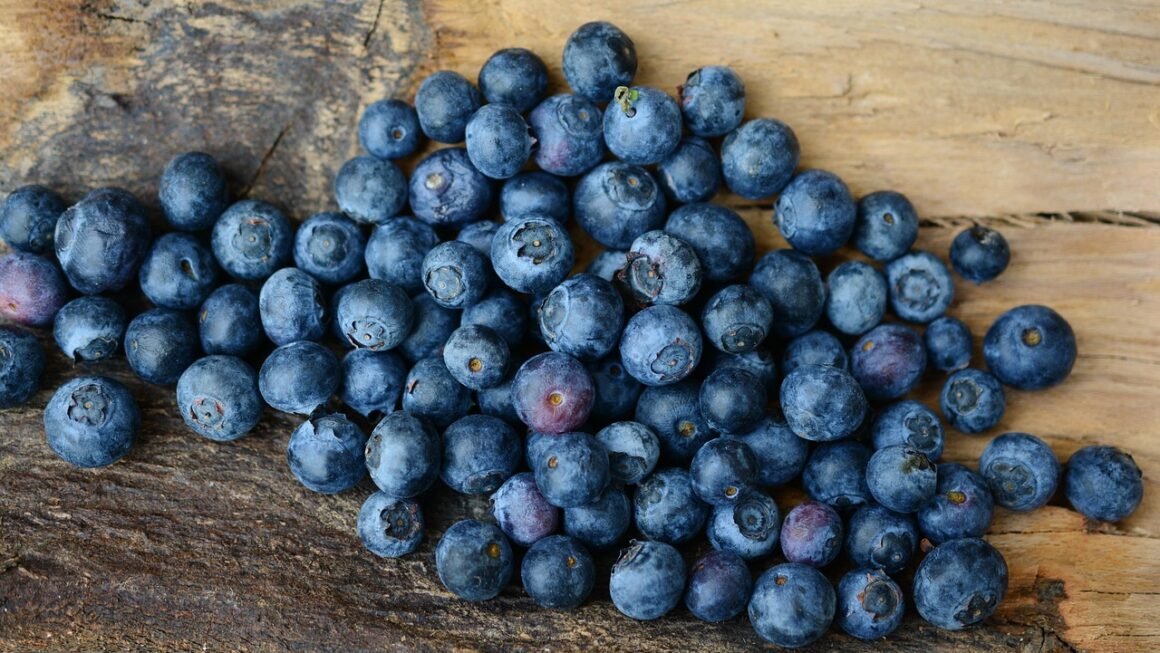
- Fruits: Apples, bananas, berries, oranges, grapes, etc.
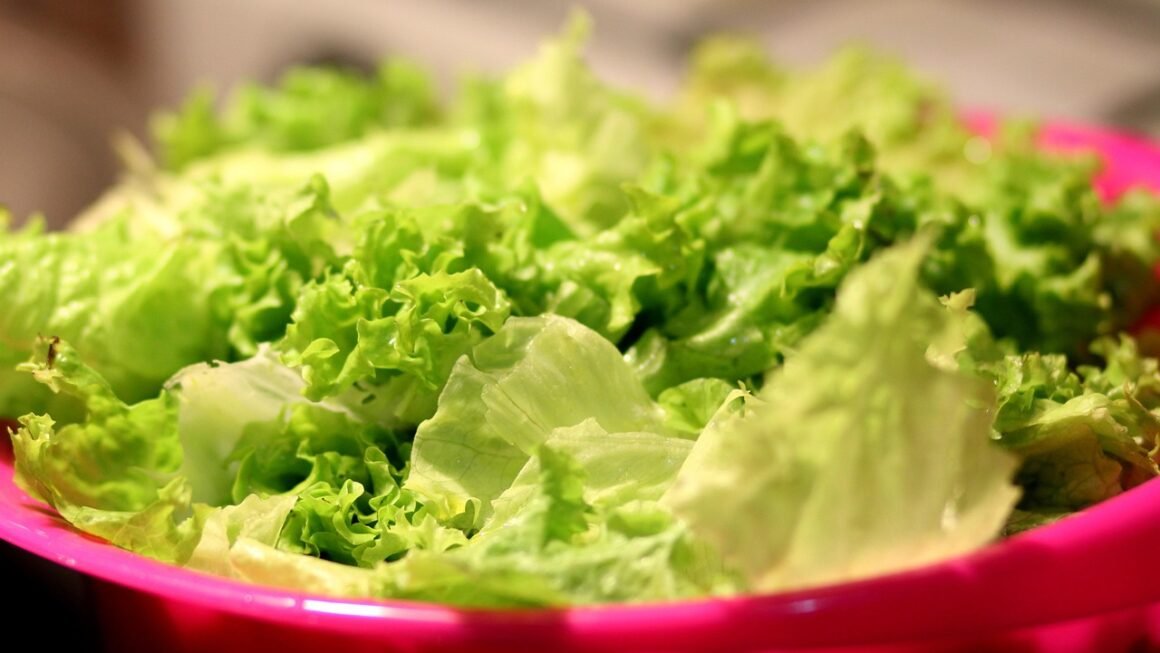
- Vegetables: Broccoli, spinach, carrots, kale, sweet potatoes, bell peppers, etc.
- Legumes: Beans (black beans, kidney beans, chickpeas), lentils, peas, tofu (made from soybeans), tempeh.
- Grains: Rice, quinoa, oats, barley, wheat, corn.
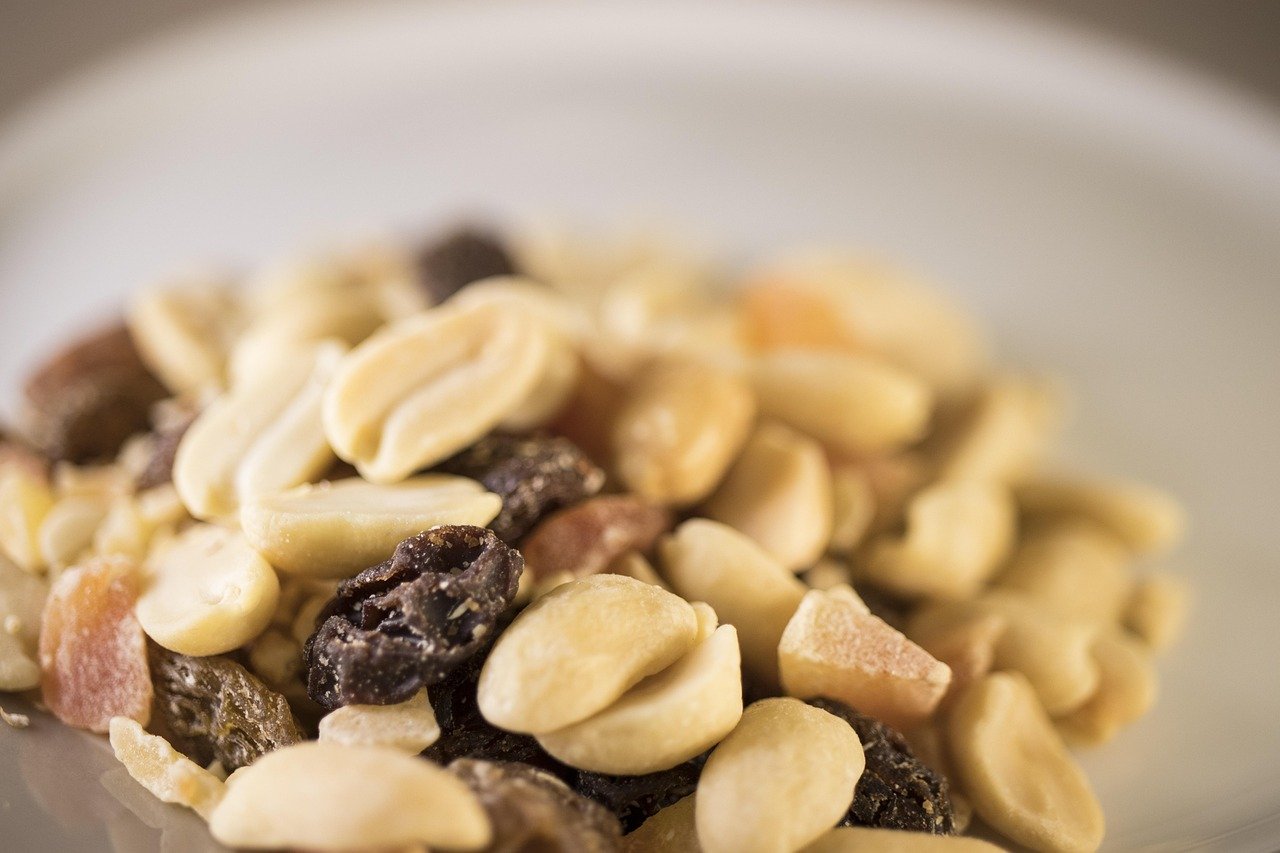
- Nuts and Seeds: Almonds, walnuts, chia seeds, flax seeds, sunflower seeds.
- Plant-based milks: Almond milk, soy milk, oat milk, coconut milk.
- Plant-based alternatives: Vegan cheese, vegan yogurt, vegan burgers.
Foods Excluded from a Vegan Diet
To clarify, a vegan diet strictly excludes the following:
- Meat: Beef, pork, lamb, poultry, fish, shellfish.
- Dairy: Milk, cheese, yogurt, butter, cream, ice cream.
- Eggs: Chicken eggs, duck eggs, etc.
- Honey: Produced by bees.
- Other Animal Products: Gelatin, whey, casein, and some additives used in processed foods.
Health Benefits of a Vegan Diet
Reduced Risk of Chronic Diseases
Studies have shown that well-planned vegan diets can significantly reduce the risk of several chronic diseases.
- Heart Disease: Lower levels of saturated fat and cholesterol often lead to improved heart health. For example, a meta-analysis published in the Journal of the American Heart Association found that vegetarian diets were associated with a 25% lower risk of ischemic heart disease.
- Type 2 Diabetes: Vegan diets can improve blood sugar control and insulin sensitivity. High fiber intake contributes to this benefit.
- Certain Cancers: A high intake of fruits and vegetables, common in vegan diets, is linked to a lower risk of certain cancers, like colon cancer. The World Cancer Research Fund (WCRF) emphasizes the importance of plant-based diets for cancer prevention.
- Obesity: Vegan diets tend to be lower in calories and higher in fiber, which can contribute to weight management and reduce the risk of obesity.
Improved Digestive Health
The high fiber content of a vegan diet promotes healthy digestion.
- Fiber-rich foods contribute to regular bowel movements and prevent constipation.
- Plant-based diets support a healthy gut microbiome, which is essential for overall health. Prebiotic fibers in fruits, vegetables, and legumes feed beneficial gut bacteria.
- Reduced inflammation: Avoiding processed meats and dairy can lead to reduced inflammation in the gut.
Weight Management
Vegan diets can be a powerful tool for achieving and maintaining a healthy weight.
- Naturally lower in calories than diets containing meat and dairy, it allows for greater volume of food.
- High fiber content increases satiety, leading to reduced calorie intake.
- Emphasis on whole, unprocessed foods helps regulate appetite and promote healthy eating habits.
Getting Started with a Vegan Diet
Gradual Transition vs. Cold Turkey
There are two main approaches to adopting a vegan diet: a gradual transition or going “cold turkey.” The best approach depends on individual preferences and lifestyle.
- Gradual Transition: This involves slowly incorporating more plant-based meals into your diet and gradually reducing your intake of animal products. This can be less overwhelming and allow your body to adjust. For example, you could start by having one meatless meal per day and slowly increasing the frequency. Another approach is to swap one animal product per week with a vegan alternative.
- Cold Turkey: This involves immediately eliminating all animal products from your diet. This can be more challenging initially, but some people find it more effective for long-term success. A tip for this method is to plan ahead and have lots of vegan recipes prepared to avoid falling back on old habits.
Stocking Your Pantry with Vegan Staples
Having a well-stocked pantry is essential for making vegan cooking easy and enjoyable.
- Grains: Quinoa, brown rice, oats, whole wheat pasta
- Legumes: Canned beans (black beans, chickpeas, kidney beans), lentils, dried beans
- Nuts and Seeds: Almonds, walnuts, chia seeds, flax seeds, sunflower seeds, peanut butter (natural, without added sugar)
- Canned Goods: Diced tomatoes, tomato paste, coconut milk
- Oils: Olive oil, avocado oil, coconut oil
- Spices and Herbs: Salt, pepper, garlic powder, onion powder, cumin, paprika, oregano, basil
- Other: Nutritional yeast, vegetable broth, soy sauce or tamari
Planning Vegan Meals and Recipes
Meal planning is key to ensuring you’re eating a balanced and nutritious vegan diet. Use these tips:
- Batch Cooking: Prepare large batches of staples like beans, grains, and roasted vegetables to use in meals throughout the week.
- Explore Vegan Recipes: There are countless vegan recipes available online and in cookbooks. Experiment with different cuisines and flavors. Search for “vegan [cuisine]” or “plant based [meal type]”.
- Meal Prep: Pack your lunch and snacks to avoid impulsive food choices.
- Use a Meal Planning App: There are many apps specifically designed for vegan meal planning.
- Example meals:
Breakfast: Oatmeal with berries and nuts, Tofu scramble with veggies, Smoothie with plant-based protein
Lunch: Lentil soup, Salad with chickpeas and avocado, Vegan sandwich with hummus and sprouts
Dinner: Vegetable curry with rice, Pasta with tomato sauce and vegetables, Black bean burgers
Addressing Potential Nutritional Concerns
Vitamin B12 Supplementation
Vitamin B12 is primarily found in animal products, so supplementation is crucial for vegans.
- Vitamin B12 is essential for nerve function and red blood cell production.
- Vegans should take a daily B12 supplement or consume fortified foods like nutritional yeast or plant-based milks. Aim for at least 250 mcg per day, or 2,000 mcg once per week.
- Regular blood tests can help monitor B12 levels.
Iron Intake
While iron is present in plant-based foods, it’s important to optimize its absorption.
- Good sources of iron include lentils, spinach, tofu, and fortified cereals.
- Combine iron-rich foods with vitamin C (e.g., lemon juice, bell peppers) to enhance absorption.
- Avoid consuming iron-rich foods with calcium-rich foods (e.g., fortified plant-based milk) as calcium can inhibit iron absorption.
Calcium Sources
Getting enough calcium is essential for bone health.
- Excellent vegan sources of calcium include fortified plant-based milks and juices, tofu (calcium-set), kale, and broccoli.
- Ensure adequate vitamin D intake, as it’s necessary for calcium absorption.
- Consider a calcium supplement if you’re concerned about meeting your needs through diet alone.
Omega-3 Fatty Acids
Omega-3 fatty acids are important for brain health and reducing inflammation.
- Plant-based sources of omega-3 fatty acids include flax seeds, chia seeds, walnuts, and algae-based supplements.
- Consider an algae-based DHA/EPA supplement, as it contains the same forms of omega-3 fatty acids found in fish oil.
- Aim to consume at least 1-2 tablespoons of ground flax seeds or chia seeds daily.
The Environmental Impact of Veganism
Reduced Carbon Footprint
Animal agriculture is a significant contributor to greenhouse gas emissions. Reducing or eliminating meat consumption reduces your carbon footprint.
- Livestock farming contributes to deforestation, methane emissions, and water pollution.
- A study published in Science* found that shifting to a vegan diet is the single biggest way to reduce your environmental impact on Earth.
- Plant-based agriculture generally requires less land, water, and energy.
Conservation of Resources
Veganism promotes the conservation of natural resources.
- Animal agriculture requires vast amounts of land for grazing and growing feed crops.
- Producing meat requires significantly more water than producing plant-based foods.
- Reducing meat consumption helps alleviate pressure on ecosystems and biodiversity.
Ethical Considerations
Many people choose veganism for ethical reasons related to animal welfare.
- Factory farming practices often involve confinement, cruelty, and inhumane treatment of animals.
- Veganism promotes respect for animal life and seeks to reduce animal suffering.
- By choosing plant-based alternatives, individuals can make a positive impact on animal welfare.
Conclusion
The vegan diet is more than just a trend; it’s a sustainable and ethical lifestyle choice that offers numerous health and environmental benefits. By understanding the principles of veganism, planning your meals effectively, and addressing potential nutritional concerns, you can successfully embrace a plant-based diet and reap the rewards. Whether you transition gradually or dive in headfirst, remember that knowledge and preparation are key to long-term success. Embrace the journey, explore new flavors, and enjoy the positive impact you’re making on your health, the environment, and the lives of animals.