A nutrient-dense diet isn’t just another fleeting trend; it’s a fundamental approach to nourishing your body from the inside out. It’s about maximizing the micronutrients and macronutrients you consume per calorie, ensuring you get the most nutritional “bang for your buck.” In a world of processed foods and empty calories, understanding and implementing a nutrient-dense diet can be the key to improved health, sustained energy, and long-term well-being. Let’s dive into what makes a nutrient-dense diet so powerful and how you can adopt it into your daily life.
Understanding Nutrient Density
What Exactly is Nutrient Density?
Nutrient density refers to the concentration of vitamins, minerals, fiber, and other beneficial compounds in a food relative to its calorie content. A food is considered nutrient-dense if it provides a significant amount of essential nutrients with a relatively low number of calories. In simpler terms, it’s about choosing foods that pack the most nutritional punch.
- Example: Compare 100 calories of a candy bar to 100 calories of spinach. The spinach will provide significantly more vitamins, minerals, and antioxidants with far less added sugar and unhealthy fats.
Why is Nutrient Density Important?
Prioritizing nutrient-dense foods is crucial for several reasons:
- Optimal Health: Provides the building blocks and fuel your body needs to function at its best, supporting everything from immune function to energy levels.
- Weight Management: Helps you feel fuller for longer, potentially reducing cravings and overeating. Nutrient-dense foods often contain fiber and protein, which contribute to satiety.
- Disease Prevention: Rich in antioxidants and other protective compounds that can reduce the risk of chronic diseases such as heart disease, type 2 diabetes, and some cancers.
- Improved Energy Levels: Supplies sustained energy throughout the day, avoiding the highs and lows associated with processed foods.
- Actionable Takeaway: Start by being mindful of the nutrient content of the foods you currently consume. Begin swapping out less nutrient-dense options for more beneficial ones.
Core Principles of a Nutrient-Dense Diet
Focus on Whole, Unprocessed Foods
The foundation of a nutrient-dense diet is built upon whole, unprocessed foods. These are foods in their natural state, or as close to it as possible, with minimal processing or added ingredients.
- Examples: Fresh fruits and vegetables, lean proteins (chicken, fish, beans), whole grains (brown rice, quinoa), and healthy fats (avocados, nuts, seeds).
Prioritize Fruits and Vegetables
Fruits and vegetables are nutritional powerhouses, offering a wide array of vitamins, minerals, antioxidants, and fiber.
- Aim for Variety: Incorporate a colorful variety of fruits and vegetables into your daily meals to ensure you’re getting a broad spectrum of nutrients.
- Portion Control: While nutrient-dense, fruits still contain natural sugars. Consider the serving sizes. Veggies can be consumed more liberally.
- Cooking Methods: Opt for steaming, grilling, or roasting to retain the most nutrients. Avoid frying, which can add unhealthy fats.
Include Lean Protein Sources
Protein is essential for building and repairing tissues, supporting immune function, and promoting satiety. Choose lean protein sources that are low in saturated fat.
- Examples: Chicken breast, turkey, fish (salmon, tuna), beans, lentils, tofu, and Greek yogurt.
- Consider Portion Sizes: Protein intake should be balanced with your individual needs and activity level. Consult with a healthcare professional or registered dietitian for personalized recommendations.
Choose Healthy Fats Wisely
Healthy fats are vital for brain health, hormone production, and nutrient absorption. Focus on unsaturated fats and limit saturated and trans fats.
- Examples: Avocados, nuts, seeds, olive oil, and fatty fish (salmon, mackerel).
- Avoid Trans Fats: Found in many processed foods, trans fats should be avoided as they can increase the risk of heart disease.
- Actionable Takeaway: Make a list of your favorite whole, unprocessed foods and plan to incorporate them into your meals throughout the week.
Practical Tips for Implementing a Nutrient-Dense Diet
Start Small and Make Gradual Changes
Don’t try to overhaul your entire diet overnight. Start with small, manageable changes that you can sustain over time.
- Example: Swap sugary cereal for oatmeal with berries and nuts for breakfast.
- Example: Replace a processed snack with a handful of almonds or a piece of fruit.
Read Food Labels Carefully
Become a savvy label reader to identify hidden sugars, unhealthy fats, and processed ingredients. Pay attention to the serving size, nutrient content, and ingredient list.
- Look for: Low sodium, low sugar, and minimal added ingredients.
- Avoid: Foods with long lists of unfamiliar ingredients or excessive amounts of sugar, salt, or unhealthy fats.
Plan Your Meals and Snacks
Planning your meals and snacks in advance can help you make healthier choices and avoid impulsive decisions.
- Create a Meal Plan: Dedicate some time each week to plan your meals for the upcoming days.
- Prepare Healthy Snacks: Keep nutrient-dense snacks on hand to avoid reaching for processed foods when hunger strikes.
Cook at Home More Often
Cooking at home allows you to control the ingredients and portion sizes, making it easier to create nutrient-dense meals.
- Experiment with Recipes: Explore new recipes that feature whole, unprocessed foods.
- Batch Cooking: Cook large batches of healthy meals or ingredients on the weekend to save time during the week.
Hydrate Adequately
Water is essential for overall health and can also help with weight management. Drink plenty of water throughout the day.
- Carry a Water Bottle: Keep a water bottle with you and refill it regularly.
- Infuse Water with Fruit: Add slices of fruit, vegetables, or herbs to your water for added flavor and nutrients.
- Actionable Takeaway: Spend 15 minutes today planning one meal for tomorrow, focusing on including as many whole, unprocessed foods as possible.
Foods to Prioritize on a Nutrient-Dense Diet
Leafy Green Vegetables
Packed with vitamins, minerals, and antioxidants.
- Examples: Spinach, kale, collard greens, and romaine lettuce.
Cruciferous Vegetables
Offer a wide range of health benefits and may help reduce the risk of cancer.
- Examples: Broccoli, cauliflower, Brussels sprouts, and cabbage.
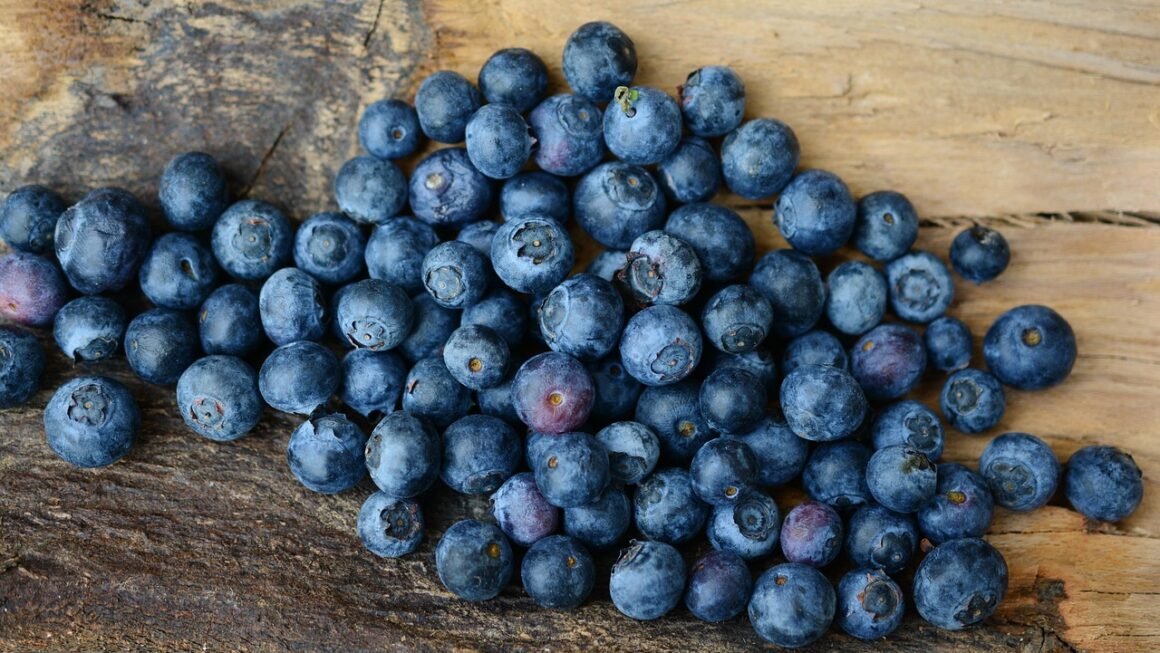
Berries
Rich in antioxidants and fiber.
- Examples: Blueberries, strawberries, raspberries, and blackberries.
Nuts and Seeds
Provide healthy fats, protein, and fiber.
- Examples: Almonds, walnuts, chia seeds, flaxseeds, and pumpkin seeds.
Fatty Fish
Excellent source of omega-3 fatty acids, which are beneficial for brain health and heart health.
- Examples: Salmon, tuna, mackerel, and sardines.
Legumes
Provide plant-based protein, fiber, and essential nutrients.
- Examples: Beans, lentils, chickpeas, and peas.
- Actionable Takeaway: Create a grocery list focusing on these nutrient-dense foods and aim to include them in your meals this week.
Potential Challenges and How to Overcome Them
Cost
Nutrient-dense foods can sometimes be more expensive than processed foods.
- Tips: Buy fruits and vegetables in season, shop at farmers’ markets, and consider buying in bulk. Plant your own garden. Dried beans and lentils are very inexpensive protein sources.
Time Constraints
Preparing nutrient-dense meals can take more time than relying on processed foods.
- Tips: Plan your meals in advance, batch cook on the weekends, and utilize convenience options like pre-cut vegetables.
Lack of Knowledge
Knowing which foods are nutrient-dense and how to prepare them can be challenging.
- Tips: Educate yourself about nutrition, experiment with new recipes, and consult with a registered dietitian or nutritionist.
Cravings
Processed foods can be addictive and difficult to resist.
- Tips: Gradually reduce your intake of processed foods, find healthy alternatives for your favorite treats, and practice mindful eating.
- Actionable Takeaway:* Identify one challenge you might face when implementing a nutrient-dense diet and brainstorm strategies to overcome it.
Conclusion
Embracing a nutrient-dense diet is a powerful step toward improving your overall health and well-being. By prioritizing whole, unprocessed foods, focusing on fruits and vegetables, and making gradual changes, you can nourish your body from the inside out and reap the numerous benefits of optimal nutrition. Remember that it’s not about perfection, but about making consistent, informed choices that support your health goals. So, start small, stay informed, and enjoy the journey to a healthier, more vibrant you.