Fasting, an age-old practice, is gaining immense popularity for its potential health benefits, ranging from weight management to improved metabolic health and even cellular repair. However, navigating the world of fasting can feel overwhelming. Whether you’re a seasoned faster or a curious beginner, mastering a few key strategies can make the process smoother, more effective, and ultimately, more enjoyable. Let’s dive into some top fasting hacks to optimize your experience and maximize the rewards.
Optimizing Your Fasting Schedule
Choosing the Right Fasting Method
Different fasting methods suit different lifestyles and goals. Experiment to find what works best for you.
- Intermittent Fasting (IF): This involves cycling between periods of eating and fasting on a regular schedule.
16/8 Method: Fast for 16 hours and eat within an 8-hour window. A typical eating window could be from noon to 8 pm.
5:2 Diet: Eat normally for five days of the week and restrict calorie intake to 500-600 calories on the other two non-consecutive days.
Eat-Stop-Eat: A 24-hour fast once or twice per week. For example, you could fast from dinner one day to dinner the next.
- Extended Fasting: Fasting for more than 24 hours. This should be done with caution and potentially under medical supervision. Benefits may include deeper levels of autophagy (cellular cleaning).
Example: A 36-hour fast from Sunday evening to Tuesday morning can be a powerful reset.
- Actionable Takeaway: Start with a milder form of IF like the 16/8 method and gradually explore other approaches as you become more comfortable. Listen to your body and adjust as needed.
Strategic Timing for Success
Consider your lifestyle, workout schedule, and social commitments when planning your fasts.
- Align with Your Circadian Rhythm: Fasting during the evening and night, when your body is naturally preparing for rest, can be easier.
- Schedule Around Social Events: Plan your fasting days to avoid situations where you’re likely to be tempted to break your fast.
- Consider Your Workout Schedule: If you exercise intensely, time your eating window to provide fuel before and recovery nutrition after your workout. For example, if you work out in the morning, shift your eating window earlier in the day.
- Actionable Takeaway: Plan your fasting schedule in advance, just as you would any other important appointment. This reduces the chances of impulsive decisions and helps you stay on track.
Minimizing Hunger and Cravings
The Power of Hydration
Staying well-hydrated is crucial for managing hunger pangs and supporting bodily functions during a fast.
- Drink Plenty of Water: Aim for at least 8-10 glasses of water per day.
- Incorporate Electrolytes: Add a pinch of Himalayan pink salt to your water to replenish electrolytes lost through increased urination during fasting.
- Herbal Teas: Unsweetened herbal teas, such as green tea, chamomile tea, or peppermint tea, can help suppress appetite and provide a soothing effect.
- Bone Broth: While technically containing a small amount of calories, bone broth can provide essential nutrients and electrolytes, helping to minimize hunger and fatigue, especially during longer fasts.
- Actionable Takeaway: Keep a water bottle with you at all times and sip on it regularly throughout the day. Experiment with different herbal teas to find your favorites.
Strategic Consumption of Zero-Calorie Beverages
Certain beverages can help you feel fuller and more energized without breaking your fast.
- Black Coffee: Coffee can suppress appetite and boost metabolism. However, be mindful of caffeine’s effects on sleep and anxiety.
- Sparkling Water: The carbonation can create a feeling of fullness.
- Apple Cider Vinegar (ACV): A tablespoon of ACV diluted in water may help stabilize blood sugar and reduce cravings.
- Actionable Takeaway: Start your day with a cup of black coffee or green tea to help suppress hunger. Carry sparkling water with you as a go-to option for managing cravings.
Maximizing the Benefits of Fasting
Incorporate Light Exercise
While intense workouts may not be ideal during a fast, light exercise can enhance the benefits.
- Walking: A brisk walk can help improve insulin sensitivity and burn fat.
- Yoga or Stretching: These activities can reduce stress and improve flexibility.
- Light Resistance Training: Maintaining muscle mass is important. Consider light resistance exercises with high repetitions.
- Actionable Takeaway: Aim for 30 minutes of light activity per day during your fasting period. Listen to your body and avoid overexertion.
Prioritize Sleep and Stress Management
Sufficient sleep and effective stress management are crucial for overall health and can significantly impact your fasting experience.
- Aim for 7-9 Hours of Sleep: Sleep deprivation can increase cortisol levels, which can hinder fat loss and increase cravings.
- Practice Relaxation Techniques: Meditation, deep breathing exercises, or yoga can help manage stress and improve mood.
- Limit Screen Time Before Bed: Blue light from electronic devices can interfere with sleep.
- Actionable Takeaway: Establish a consistent sleep schedule and incorporate relaxation techniques into your daily routine.
Breaking Your Fast the Right Way
Gentle Reintroduction of Food
Breaking a fast improperly can lead to digestive discomfort and negate some of the benefits.
- Start with Easily Digestible Foods: Broth, cooked vegetables, and fermented foods are gentle on the digestive system.
- Avoid Processed Foods and Sugary Drinks: These can cause blood sugar spikes and digestive issues.
- Eat Slowly and Mindfully: Pay attention to your body’s signals of fullness.
- Actionable Takeaway: Plan your first meal in advance and choose nutrient-dense, easily digestible foods. Avoid overeating.
Focus on Nutrient-Dense Foods
Prioritize foods that provide essential vitamins, minerals, and macronutrients.
- Lean Protein: Chicken, fish, tofu, or legumes.
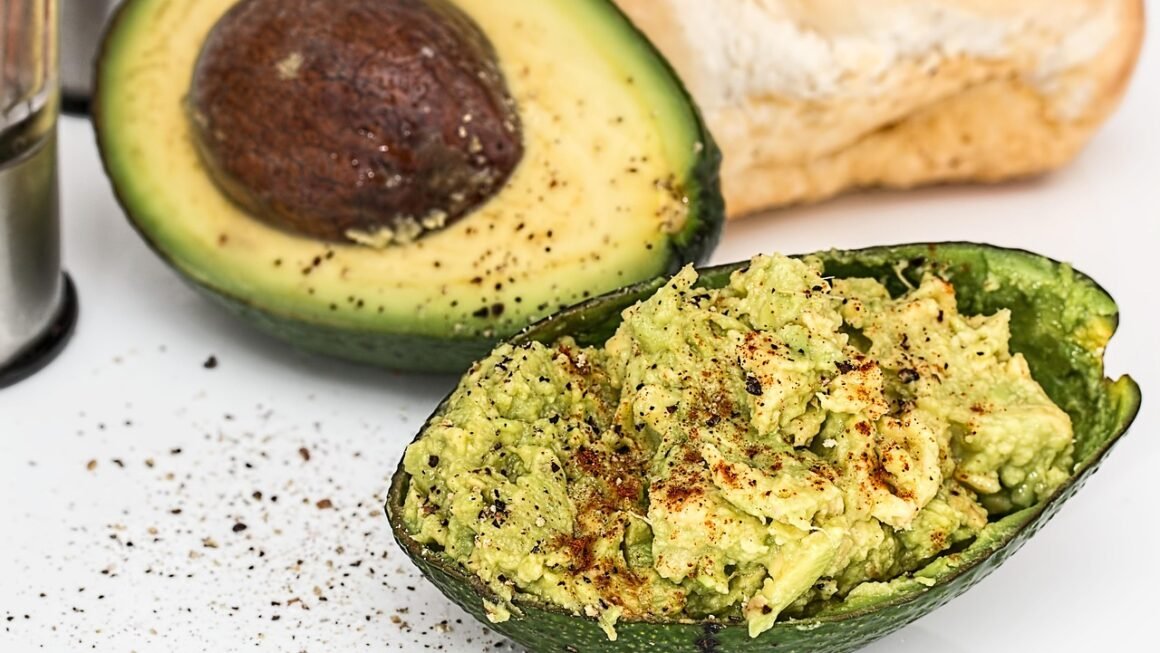
- Healthy Fats: Avocado, nuts, seeds, and olive oil.
- Complex Carbohydrates: Vegetables, fruits, and whole grains.
- Actionable Takeaway: Break your fast with a balanced meal that includes protein, healthy fats, and complex carbohydrates. This will help replenish nutrients and stabilize blood sugar levels.
Conclusion
Fasting can be a powerful tool for improving your health and well-being when approached thoughtfully and strategically. By incorporating these fasting hacks into your routine, you can minimize discomfort, maximize the benefits, and make fasting a sustainable part of your lifestyle. Remember to listen to your body, experiment with different approaches, and consult with a healthcare professional if you have any concerns. Embrace the journey, and discover the transformative potential of fasting!