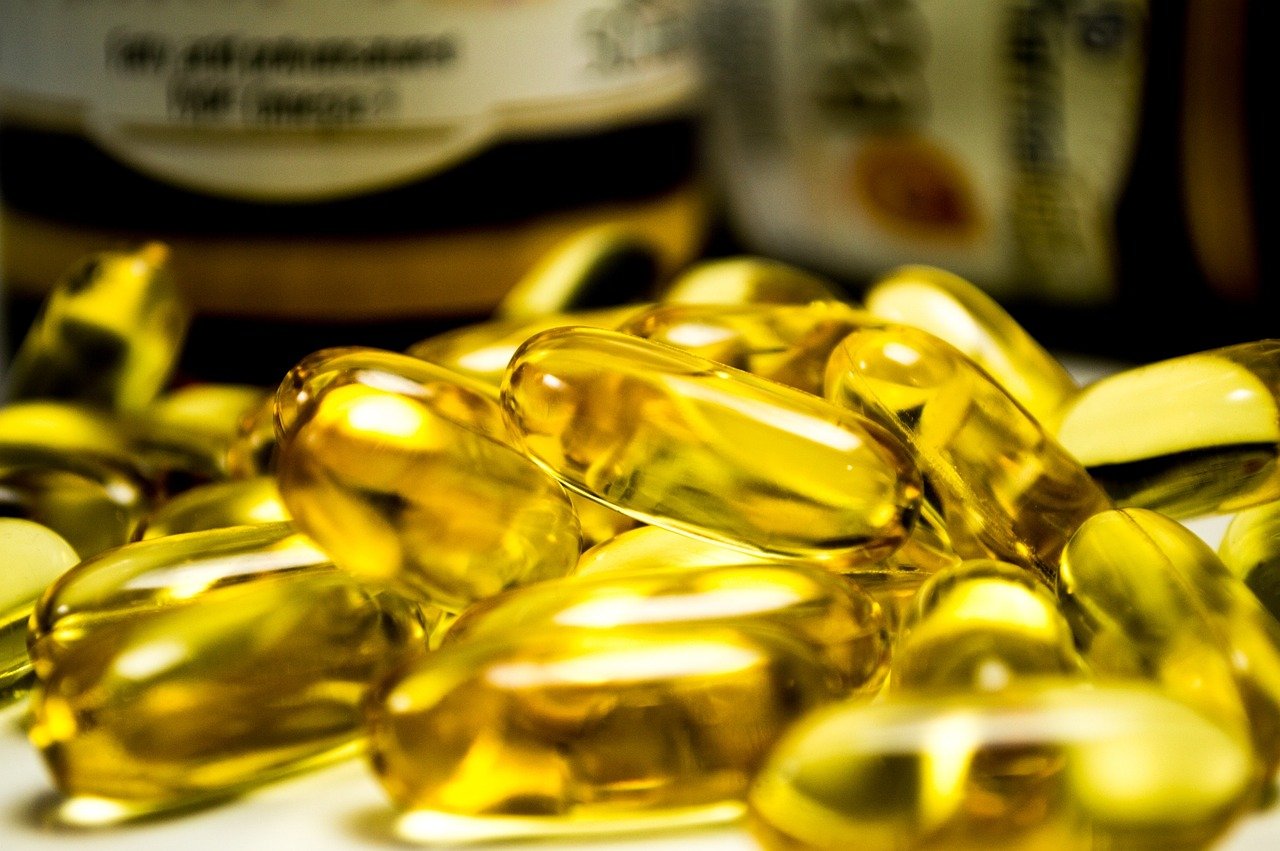
Superfood supplements have exploded in popularity, promising a convenient way to boost your health and well-being. But with so many options available, it’s crucial to understand what they are, how they work, and whether they’re right for you. This guide will delve into the world of superfood supplements, providing you with the knowledge to make informed choices about incorporating them into your daily routine.
What are Superfood Supplements?
Defining Superfoods
While “superfood” isn’t an official nutritional term, it generally refers to nutrient-dense foods that offer significant health benefits. These foods are packed with vitamins, minerals, antioxidants, and other compounds that contribute to overall wellness. Common examples include berries, leafy greens, nuts, seeds, and certain types of fish.
Superfood Supplements: Concentrated Nutrition
Superfood supplements aim to deliver the concentrated benefits of these foods in a convenient format, such as powders, capsules, or tablets. They are often derived from dehydrated or extracted portions of superfoods. This can be appealing for individuals who struggle to consume enough of these foods through diet alone.
Examples of Common Superfood Supplements
- Spirulina: A blue-green algae rich in protein, vitamins, and antioxidants.
- Chlorella: Another algae known for its detoxification properties and nutrient density.
- Maca: A Peruvian root vegetable believed to enhance energy, stamina, and libido.
- Acai Berry: A dark purple berry packed with antioxidants, particularly anthocyanins.
- Turmeric: A spice containing curcumin, which has potent anti-inflammatory and antioxidant effects.
- Wheatgrass: The young shoots of the wheat plant, rich in chlorophyll and vitamins.
Benefits of Incorporating Superfood Supplements
Enhanced Nutrient Intake
Superfood supplements can help bridge nutritional gaps in your diet, providing essential vitamins, minerals, and antioxidants that you may not be getting enough of through food alone.
- Example: Someone with a limited diet due to allergies or dietary restrictions may benefit from a greens powder to ensure adequate intake of vitamins and minerals.
Antioxidant Protection
Many superfoods are rich in antioxidants, which help protect your cells from damage caused by free radicals. This can contribute to reduced risk of chronic diseases.
- Example: Acai berry and blueberries are high in anthocyanins, powerful antioxidants that may protect against heart disease and cognitive decline.
Improved Energy Levels
Certain superfoods, such as maca and spirulina, are often touted for their energy-boosting properties. They can provide a sustained energy release without the crash associated with caffeine.
- Example: Athletes might use maca before workouts to improve endurance and stamina.
Support for Detoxification
Some superfoods, like chlorella and wheatgrass, are believed to support the body’s natural detoxification processes by helping to eliminate toxins.
- Example: Chlorella binds to heavy metals in the digestive tract, facilitating their removal from the body.
Anti-Inflammatory Effects
Ingredients like turmeric (curcumin) have potent anti-inflammatory properties, which can help reduce pain and inflammation associated with various conditions.
- Example: People with arthritis may find relief from joint pain by taking turmeric supplements.
Choosing the Right Superfood Supplements
Identifying Your Needs
Before you start taking any superfood supplements, it’s important to assess your individual needs and health goals. Are you looking to boost your energy, improve your immune system, or support your overall wellness?
- Consider consulting with a healthcare professional or registered dietitian to determine which supplements are most appropriate for you.
Reading Labels Carefully
Pay close attention to the ingredient list, dosage instructions, and potential allergens. Look for supplements that contain pure ingredients and minimal additives.
- Check for third-party certifications (e.g., NSF, USP) to ensure the product has been tested for quality and purity.
Considering the Form
Superfood supplements come in various forms, including powders, capsules, tablets, and liquids. Choose the form that is most convenient and palatable for you.
- Powders can be easily added to smoothies or juices, while capsules and tablets are convenient for on-the-go consumption.
Starting Slowly
When introducing new superfood supplements to your diet, start with a small dose and gradually increase it over time. This will help you assess your tolerance and minimize any potential side effects.
- Example: If you’re trying spirulina for the first time, start with 1 gram per day and gradually increase to the recommended dose of 3-5 grams.
Potential Risks and Side Effects
Digestive Issues
Some superfood supplements, particularly those high in fiber, can cause digestive issues such as bloating, gas, and diarrhea, especially when consumed in large amounts.
- Example: Overconsumption of greens powders can lead to digestive discomfort in some individuals.
Interactions with Medications
Superfood supplements can interact with certain medications, potentially affecting their effectiveness or increasing the risk of side effects.
- Example: Turmeric can interact with blood thinners, increasing the risk of bleeding.
Allergic Reactions
Some individuals may be allergic to certain superfoods. It’s important to be aware of potential allergens and discontinue use if you experience any allergic symptoms.
- Example: People with shellfish allergies may also be allergic to spirulina.
Quality Concerns
The quality and purity of superfood supplements can vary widely. Choose reputable brands that conduct third-party testing to ensure product safety and efficacy.
- Be wary of supplements with vague ingredient lists or excessive claims.
Integrating Superfood Supplements into Your Diet
Not a Replacement for a Healthy Diet
It’s crucial to remember that superfood supplements are not a replacement for a healthy, balanced diet. They should be used as a complement to a diet rich in fruits, vegetables, whole grains, and lean protein.
- Focus on building a solid foundation of healthy eating habits before adding supplements.
Creative Ways to Use Superfood Supplements
- Smoothies: Add a scoop of greens powder, protein powder, or acai powder to your favorite smoothie recipe.
- Juices: Mix superfood powders into fresh-pressed juices for an extra nutritional boost.
- Oatmeal: Sprinkle chia seeds or flaxseeds on top of your oatmeal for added fiber and omega-3 fatty acids.
- Yogurt: Mix spirulina or maca powder into yogurt for a protein-rich and nutritious snack.
- Baking: Incorporate superfood powders into baked goods like muffins or pancakes for added nutrients.
Staying Consistent
For optimal results, it’s important to take superfood supplements consistently as part of your daily routine. Set a reminder or incorporate them into a regular meal or snack.
- Find a routine that works for you and stick to it for the long term.
Conclusion
Superfood supplements can be a valuable addition to a healthy lifestyle, providing a concentrated dose of nutrients and antioxidants. However, it’s important to choose them wisely, considering your individual needs and potential risks. Remember that supplements are not a substitute for a balanced diet and regular exercise. By understanding the benefits, potential drawbacks, and best practices for incorporating superfood supplements into your routine, you can make informed decisions to support your overall health and well-being. Always consult with a healthcare professional before starting any new supplement regimen.