Maintaining a healthy heart is paramount for a long and fulfilling life. While factors like genetics and age play a role, a heart-healthy diet is one of the most powerful tools we have to protect our cardiovascular system. This guide provides a comprehensive overview of how to nourish your heart, reduce your risk of heart disease, and embrace a lifestyle that promotes long-term well-being.
Understanding Heart Health & Diet
The Link Between Diet and Cardiovascular Disease
Cardiovascular disease (CVD) encompasses a range of conditions affecting the heart and blood vessels, including coronary artery disease, stroke, and heart failure. The food we consume directly impacts several key risk factors for CVD, such as:
- Cholesterol Levels: High levels of LDL (“bad”) cholesterol contribute to plaque buildup in arteries, while HDL (“good”) cholesterol helps remove it.
- Blood Pressure: Diets high in sodium and saturated fats can elevate blood pressure, increasing the strain on the heart.
- Inflammation: Chronic inflammation can damage blood vessels and promote plaque formation. Certain foods can either exacerbate or reduce inflammation.
- Weight Management: Obesity, often linked to poor dietary choices, increases the risk of heart disease.
Key Principles of a Heart-Healthy Diet
A heart-healthy diet isn’t about deprivation; it’s about making smart choices that nourish your body and protect your heart. Here’s what to focus on:
- Prioritize Whole Foods: Emphasize fruits, vegetables, whole grains, and lean protein sources.
- Limit Unhealthy Fats: Reduce saturated and trans fats found in processed foods, red meat, and full-fat dairy.
- Reduce Sodium Intake: Limit processed foods and restaurant meals, and use herbs and spices instead of salt.
- Control Portion Sizes: Be mindful of how much you’re eating to maintain a healthy weight.
- Read Food Labels: Become aware of hidden sugars, sodium, and unhealthy fats in packaged foods.
Foods to Embrace for a Healthy Heart
Fruits and Vegetables: Nature’s Powerhouses
Fruits and vegetables are packed with vitamins, minerals, antioxidants, and fiber, all crucial for heart health. Aim for at least five servings per day.
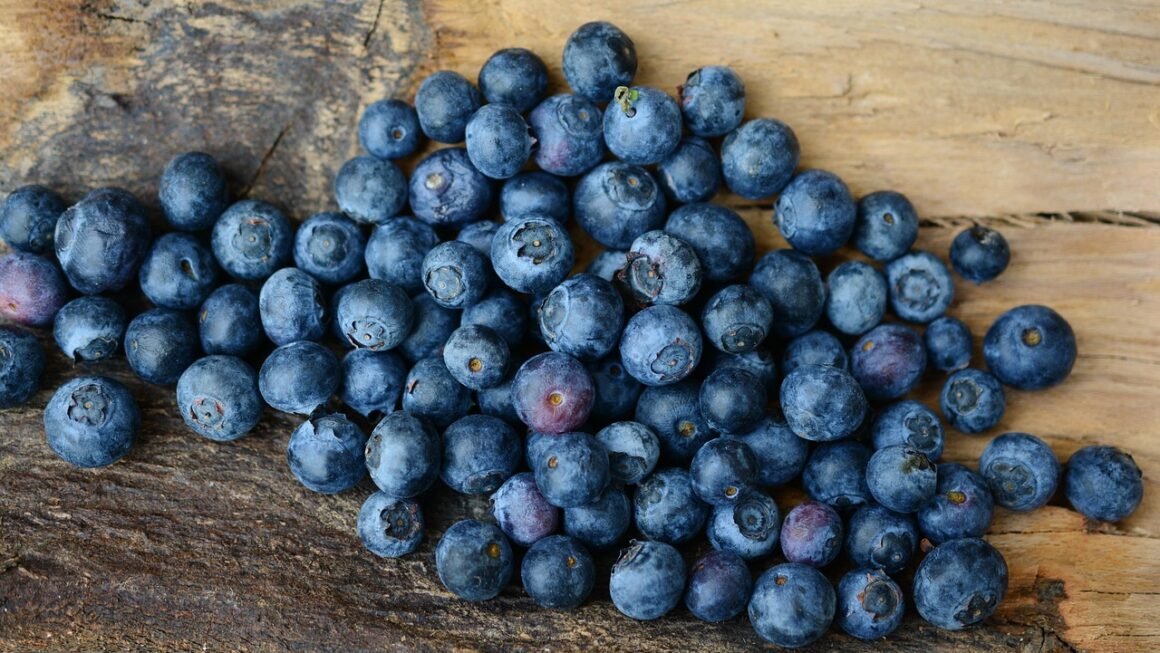
- Berries: Rich in antioxidants, berries like blueberries, strawberries, and raspberries help protect against inflammation and oxidative stress. Example: Add berries to your morning oatmeal or enjoy them as a snack.
- Leafy Greens: Spinach, kale, and collard greens are excellent sources of vitamins K and A, as well as nitrates, which can help lower blood pressure. Example: Add spinach to smoothies or saute kale as a side dish.
- Avocados: A source of healthy monounsaturated fats, avocados can help lower LDL cholesterol and raise HDL cholesterol. Example: Add avocado slices to salads or make guacamole.
- Tomatoes: Rich in lycopene, an antioxidant that may help reduce the risk of heart disease. Example: Make homemade tomato sauce or add sliced tomatoes to sandwiches.
Whole Grains: The Foundation of a Heart-Healthy Diet
Whole grains are packed with fiber, which helps lower cholesterol and keeps you feeling full and satisfied. Choose whole grains over refined grains whenever possible.
- Oats: Oatmeal is a soluble fiber powerhouse, helping to lower LDL cholesterol. Example: Start your day with a bowl of plain oatmeal topped with fruit and nuts.
- Brown Rice: A good source of fiber and magnesium, which helps regulate blood pressure. Example: Substitute brown rice for white rice in stir-fries or as a side dish.
- Quinoa: A complete protein and good source of fiber, quinoa is a versatile grain that can be used in salads, soups, and as a side dish.
- Whole-Wheat Bread: Choose whole-wheat bread over white bread for more fiber and nutrients. Look for breads that list whole wheat flour as the first ingredient.
Lean Protein: Building Blocks for a Healthy Body
Lean protein sources are essential for maintaining muscle mass and overall health. Opt for these choices over high-fat options.
- Fish: Fatty fish like salmon, tuna, and mackerel are rich in omega-3 fatty acids, which have been shown to lower triglycerides, blood pressure, and the risk of blood clots. Aim for two servings per week.
- Poultry: Skinless chicken and turkey are lean protein sources that are lower in saturated fat than red meat.
- Beans and Legumes: Excellent sources of protein and fiber, beans and legumes can help lower cholesterol and blood sugar levels. Example: Add beans to soups, stews, or salads.
- Nuts and Seeds: Rich in healthy fats, fiber, and antioxidants, nuts and seeds can help lower cholesterol and reduce the risk of heart disease. Choose unsalted varieties and eat in moderation. Example: Add a handful of almonds to your snack or sprinkle flax seeds on your cereal.
Foods to Limit or Avoid for Heart Health
Saturated and Trans Fats: The Enemy of Arteries
Saturated and trans fats raise LDL cholesterol levels, increasing the risk of heart disease. Limit your intake of these fats by avoiding or reducing the following:
- Red Meat: Limit your intake of red meat, especially processed meats like bacon, sausage, and hot dogs.
- Full-Fat Dairy: Choose low-fat or fat-free dairy products over full-fat versions.
- Fried Foods: Avoid fried foods, which are often high in saturated and trans fats.
- Processed Foods: Many processed foods contain hidden sources of saturated and trans fats. Read food labels carefully and choose healthier options.
Sodium: A Silent Killer
High sodium intake can raise blood pressure, increasing the strain on your heart. Limit your sodium intake by:
- Avoiding Processed Foods: Processed foods are often high in sodium.
- Cooking at Home: When you cook at home, you have more control over the amount of sodium in your food.
- Using Herbs and Spices: Use herbs and spices to flavor your food instead of salt.
- Reading Food Labels: Pay attention to the sodium content of packaged foods and choose lower-sodium options.
Added Sugars: Empty Calories with Big Consequences
Excessive sugar intake can lead to weight gain, high triglycerides, and an increased risk of heart disease. Limit your intake of added sugars by:
- Avoiding Sugary Drinks: Sugary drinks like soda, juice, and sports drinks are a major source of added sugars.
- Limiting Processed Foods: Many processed foods contain added sugars.
- Reading Food Labels: Pay attention to the sugar content of packaged foods and choose lower-sugar options.
- Choosing Natural Sweeteners: If you need to sweeten your food, choose natural sweeteners like stevia or monk fruit.
Making Gradual Changes for Long-Term Success
Start Small and Build Momentum
Making drastic dietary changes can be overwhelming and unsustainable. Instead, focus on making small, gradual changes that you can maintain over the long term.
- Swap Sugary Drinks for Water: This simple change can significantly reduce your sugar intake.
- Add a Salad to Your Lunch: This is an easy way to increase your fruit and vegetable intake.
- Cook at Home More Often: This gives you more control over the ingredients in your food.
- Read Food Labels: This will help you become more aware of hidden sugars, sodium, and unhealthy fats.
Plan Your Meals and Snacks
Planning your meals and snacks can help you make healthier choices and avoid impulse decisions. Take some time each week to plan out your meals and snacks, and make a grocery list of the ingredients you’ll need.
- Use a Meal Planning App: There are many meal planning apps available that can help you create healthy meal plans and track your progress.
- Prep Your Meals in Advance: This can save you time during the week and make it easier to stick to your healthy eating plan.
- Keep Healthy Snacks on Hand: This will help you avoid unhealthy snacks when you’re feeling hungry.
Seek Support and Accountability
Making dietary changes can be challenging, so it’s important to seek support from friends, family, or a registered dietitian. Having someone to hold you accountable can help you stay on track and achieve your goals.
- Join a Support Group: There are many support groups available for people who are trying to make healthy lifestyle changes.
- Work with a Registered Dietitian: A registered dietitian can provide personalized guidance and support to help you achieve your heart-health goals.
- Find an Accountability Partner: Find a friend or family member who is also trying to make healthy changes, and support each other along the way.
Conclusion
Adopting a heart-healthy diet is a powerful investment in your long-term well-being. By focusing on whole foods, limiting unhealthy fats, sodium, and added sugars, and making gradual, sustainable changes, you can significantly reduce your risk of heart disease and enjoy a healthier, more vibrant life. Remember that it’s a journey, not a destination, and even small steps can make a big difference. Consult with a healthcare professional or registered dietitian for personalized guidance and support to create a heart-healthy eating plan that’s right for you.