Embark on a journey to discover the raw food diet, a lifestyle choice that emphasizes consuming unprocessed, uncooked foods. This diet is more than just a trend; it’s a commitment to nourishing your body with whole, living foods in their most natural state. From improved digestion to enhanced energy levels, explore the potential benefits and practical considerations of embracing a raw food lifestyle.
What is the Raw Food Diet?
The raw food diet, also known as raw foodism or living food diet, involves consuming foods that have not been heated above a certain temperature, typically around 104-118°F (40-48°C). The core principle is that heating food can destroy beneficial enzymes, vitamins, and minerals, reducing its nutritional value and hindering digestion. Raw food enthusiasts believe that consuming foods in their natural state maximizes their health benefits.
Foods Included in the Raw Food Diet
The raw food diet primarily consists of:
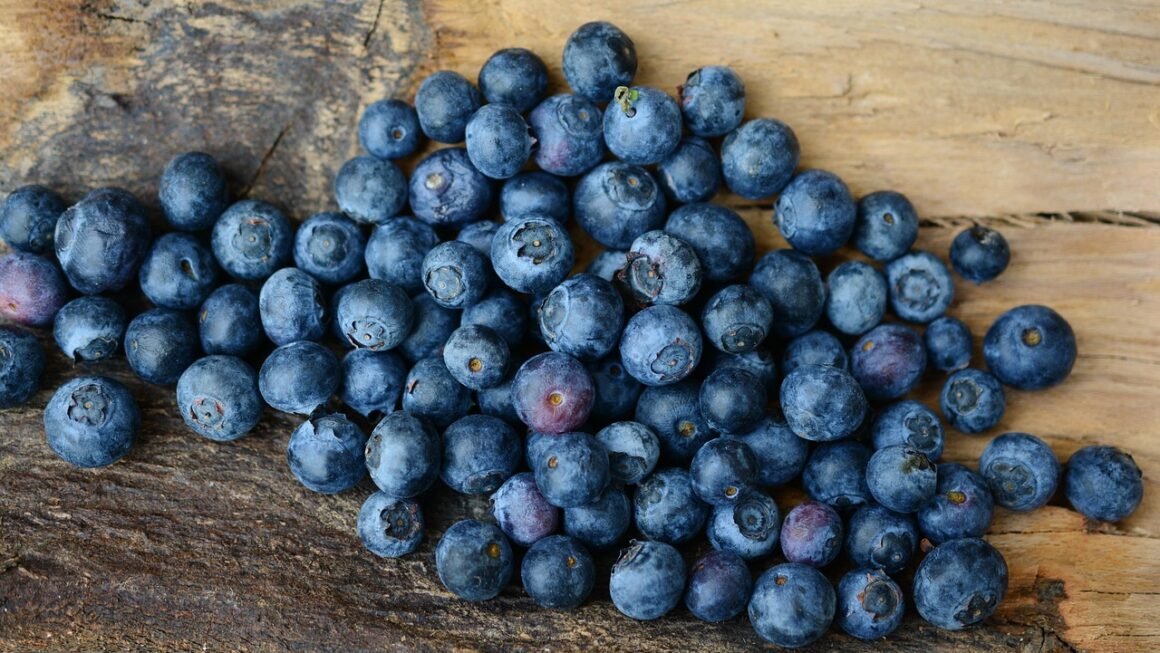
- Fruits: All types of fresh fruits, such as apples, bananas, berries, and melons.
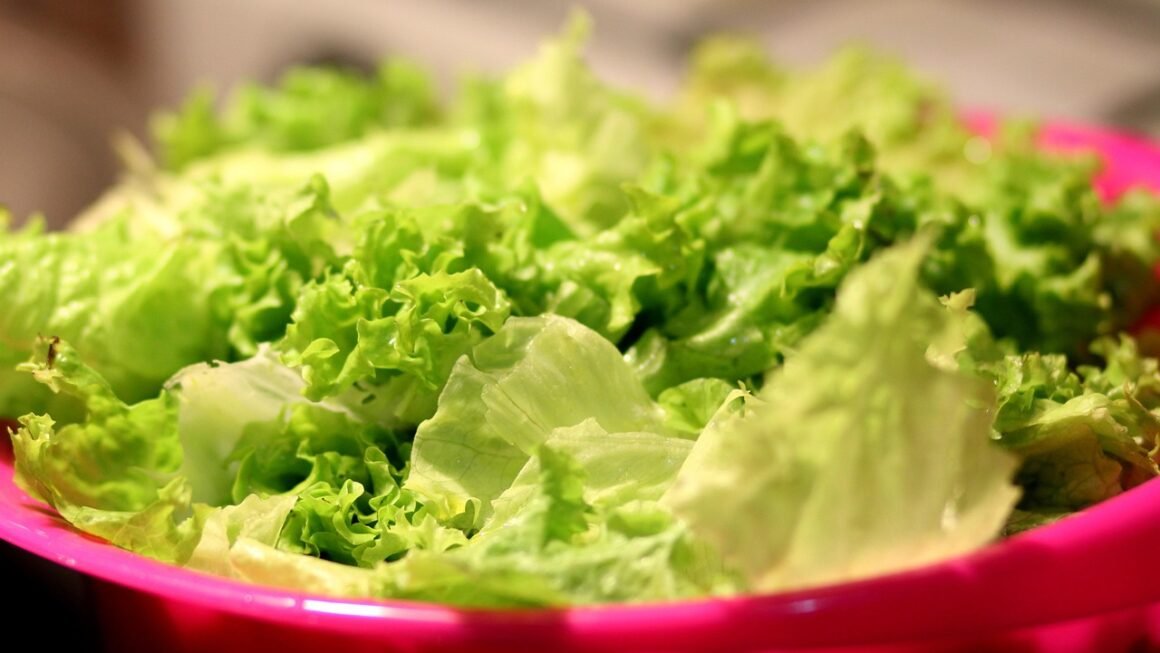
- Vegetables: A wide variety of raw vegetables, including leafy greens, carrots, cucumbers, and bell peppers.
- Nuts and Seeds: Raw, unsalted nuts and seeds like almonds, walnuts, chia seeds, and flax seeds.
- Sprouted Grains and Legumes: Sprouted versions of grains like quinoa and legumes like lentils, which are easier to digest.
- Raw Dairy (Optional): Some raw foodists include raw milk, cheese, and yogurt.
- Fermented Foods: Foods like sauerkraut, kimchi, and kombucha, which are naturally fermented.
- Seaweed: Various types of edible seaweed, such as nori and kelp.
Foods Excluded from the Raw Food Diet
Foods that are generally excluded from the raw food diet include:
- Cooked Foods: Any foods that have been heated above the specified temperature.
- Processed Foods: Foods containing artificial additives, preservatives, or refined sugars.
- Pasteurized Dairy: Most commercial dairy products that undergo pasteurization.
- Refined Oils: Oils that have been processed or heated.
- Alcohol: Most alcoholic beverages.
- Coffee and Tea: Typically avoided due to the roasting or brewing process.
Potential Benefits of the Raw Food Diet
Many individuals adopt a raw food diet due to its potential health benefits. These benefits are often attributed to the high nutrient content and enzymatic activity of raw foods.
Improved Digestion
- Increased Fiber Intake: Raw fruits and vegetables are rich in dietary fiber, which promotes healthy bowel movements and prevents constipation.
- Enzyme Activity: Raw foods contain natural enzymes that aid in digestion, reducing the burden on the digestive system.
Example: Eating a raw papaya after a meal can help break down proteins due to its papain enzyme.
Enhanced Nutrient Absorption
- Preservation of Vitamins and Minerals: Cooking can degrade certain vitamins and minerals, such as vitamin C and folate. Raw foods retain these nutrients in their natural state.
- Increased Antioxidant Intake: Raw fruits and vegetables are packed with antioxidants, which protect cells from damage caused by free radicals.
Example: A salad made with raw spinach, carrots, and bell peppers is a powerful source of antioxidants.
Weight Management
- Lower Calorie Density: Raw foods tend to be lower in calories and higher in volume, promoting satiety and reducing overall calorie intake.
- Natural Detoxification: Raw foods support the body’s natural detoxification processes, aiding in weight loss and overall health.
Example: A green smoothie made with raw spinach, cucumber, and apple can be a filling and low-calorie meal replacement.
Increased Energy Levels
- High Nutrient Content: Raw foods provide a sustained release of energy due to their rich nutrient profile.
- Reduced Intake of Processed Foods: Eliminating processed foods can lead to more stable blood sugar levels and increased energy.
Actionable Tip: Replace sugary snacks with raw fruits and nuts for a quick and healthy energy boost.
Challenges and Considerations
While the raw food diet offers several potential benefits, it also presents challenges that need careful consideration.
Nutrient Deficiencies
- Vitamin B12: Vitamin B12 is primarily found in animal products, which are typically excluded from the raw food diet. Supplementation may be necessary.
- Vitamin D: Adequate sun exposure is crucial for vitamin D production, but supplementation may be required, especially during winter months or for those with limited sun exposure.
- Iron: Ensuring sufficient iron intake from plant-based sources, such as leafy greens and legumes, is important to prevent anemia.
Practical Tip: Combine iron-rich foods with vitamin C sources to enhance iron absorption.
Food Safety
- Risk of Bacterial Contamination: Raw foods can harbor bacteria such as Salmonella and E. coli. Proper washing and handling are crucial.
- Sprouts: Sprouts can be particularly risky due to the warm, moist conditions in which they are grown. Ensure sprouts are thoroughly rinsed and sourced from reputable suppliers.
Recommendation: Consider sprouting your own seeds and legumes to control the growing environment.
Social and Practical Challenges
- Meal Preparation: Preparing raw meals can be time-consuming and require specialized equipment such as blenders, dehydrators, and juicers.
- Social Gatherings: Eating out or attending social events can be challenging, as raw food options may be limited.
- Cost: Certain raw foods, such as organic nuts and seeds, can be expensive, making the diet less accessible for some individuals.
Getting Started with a Raw Food Diet
Transitioning to a raw food diet should be done gradually to allow your body to adjust. Here are some tips to help you get started:
Gradual Transition
- Start Slowly: Begin by incorporating more raw foods into your existing diet rather than making an abrupt switch.
- Increase Raw Food Intake: Gradually increase the percentage of raw foods in your diet over time.
Example: Start with one raw meal per day and gradually increase to two or three.
Meal Planning
- Plan Your Meals: Planning your meals in advance can help ensure that you are meeting your nutritional needs.
- Experiment with Recipes: Explore a variety of raw food recipes to keep your diet interesting and enjoyable.
Recipe Suggestion: Try a raw zucchini pasta with pesto made from basil, pine nuts, and olive oil.
Essential Equipment
- Blender: A high-speed blender is essential for making smoothies, soups, and sauces.
- Food Processor: Useful for chopping vegetables, making nut butters, and preparing other raw dishes.
- Juicer: For extracting nutrient-rich juices from fruits and vegetables.
- Dehydrator (Optional): A dehydrator can be used to make snacks such as fruit leathers and crackers.
Conclusion
The raw food diet offers a unique approach to nutrition, emphasizing whole, unprocessed foods. While it presents potential benefits such as improved digestion, enhanced nutrient absorption, and weight management, it also requires careful planning and consideration of potential challenges. By understanding the principles of the raw food diet and taking a gradual, informed approach, individuals can explore this lifestyle choice while ensuring they meet their nutritional needs and maintain overall health.