The allure of returning to our roots, consuming food in its most natural state, has sparked a growing interest in the raw food diet. This isn’t just a fleeting trend; it’s a lifestyle choice centered around consuming uncooked, unprocessed foods. But what exactly does a raw food diet entail, and is it right for you? This comprehensive guide explores the principles, benefits, challenges, and practical tips for embarking on a raw food journey.
What is a Raw Food Diet?
Defining Raw Food
The raw food diet, also known as raw foodism or living food diet, typically involves consuming foods that are not heated above 104-118°F (40-48°C). The rationale behind this is that heating foods can destroy natural enzymes and reduce their nutritional value. Proponents believe that raw foods are easier to digest and offer greater health benefits.
- Key Principles:
Focus on whole, unprocessed foods.
Avoid cooking, baking, microwaving, and other forms of high-heat food preparation.
Emphasis on organic and sustainably sourced produce.
Common Foods in a Raw Food Diet
A raw food diet primarily consists of:
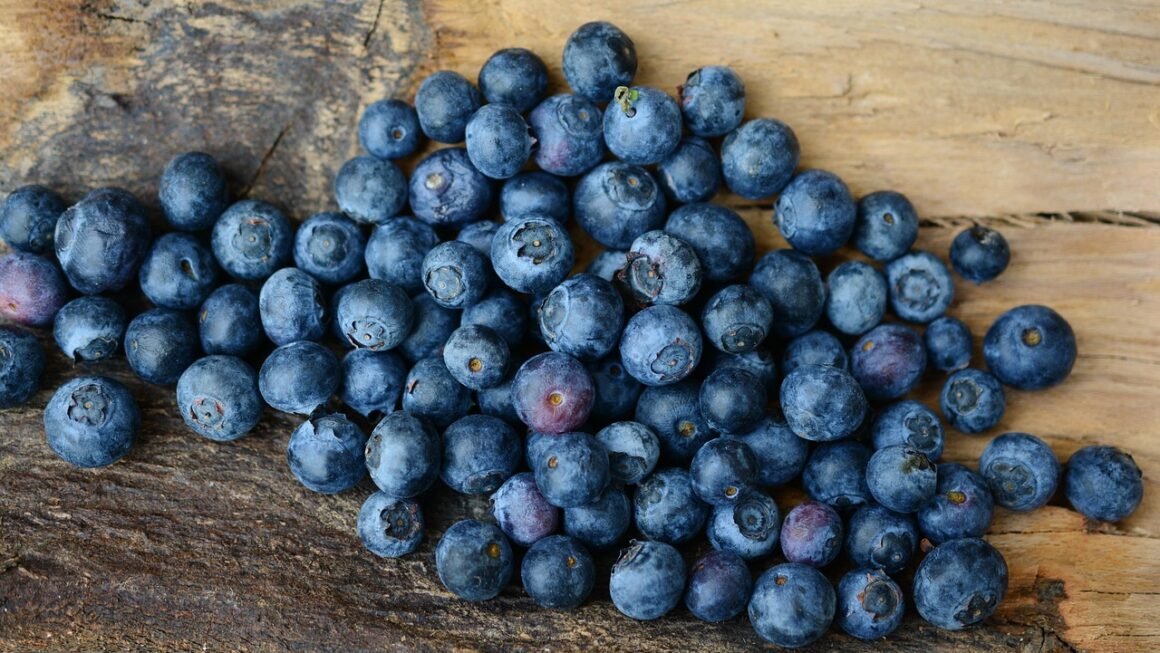
- Fruits: Apples, bananas, berries, melons, oranges, etc.
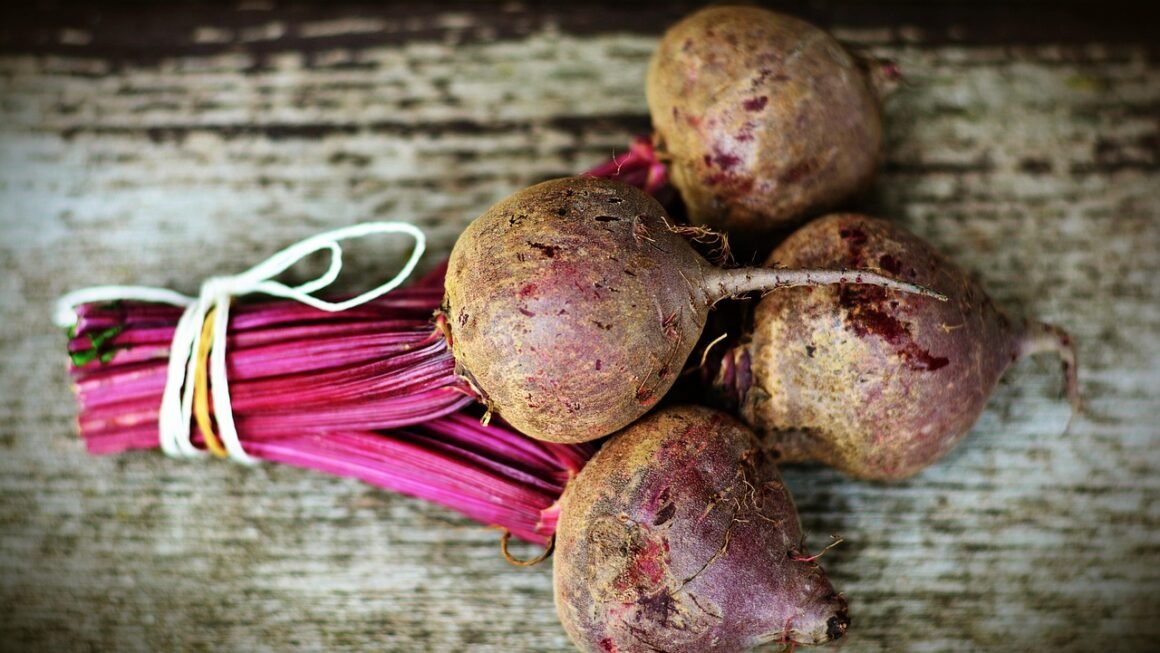
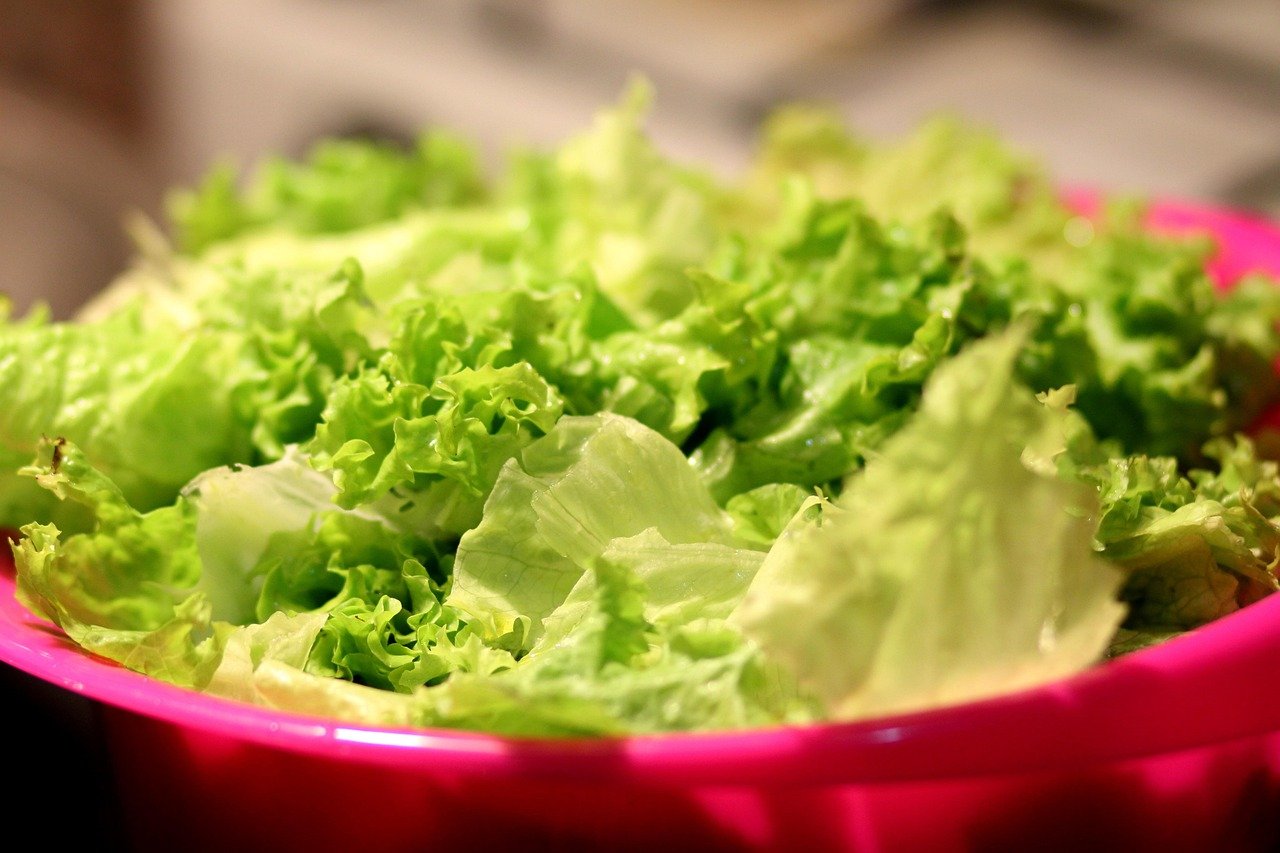
- Vegetables: Leafy greens, carrots, cucumbers, peppers, tomatoes, etc.
- Nuts and Seeds: Almonds, walnuts, sunflower seeds, flax seeds, etc. (often soaked and sprouted)
- Sprouted Grains and Legumes: Quinoa, lentils, chickpeas (sprouting increases digestibility)
- Sea Vegetables: Seaweed, kelp, nori
- Fermented Foods: Raw sauerkraut, kimchi, kombucha (provide beneficial probiotics)
- Example: A typical raw breakfast might include a smoothie made with blended fruits, leafy greens, and soaked nuts. Lunch could be a large salad with various raw vegetables, avocado, and a homemade raw dressing. Dinner might consist of zucchini noodles with a raw pesto sauce.
Potential Benefits of a Raw Food Diet
Improved Digestion and Nutrient Absorption
Raw foodists believe that the natural enzymes in uncooked foods aid in digestion. These enzymes are thought to be destroyed during the cooking process. Eating enzyme-rich foods may reduce the burden on the digestive system and improve nutrient absorption.
- Increased Enzyme Activity: Enzymes help break down food into smaller, more digestible molecules.
- Enhanced Gut Health: Raw, plant-based foods are rich in fiber, which supports a healthy gut microbiome.
Weight Management
Raw food diets are often naturally lower in calories and high in fiber, which can promote satiety and support weight loss. The emphasis on whole, unprocessed foods also eliminates many sources of added sugars and unhealthy fats.
- Lower Calorie Density: Raw foods tend to be less calorie-dense than processed foods, allowing you to eat more without consuming excess calories.
- High Fiber Content: Fiber keeps you feeling full and satisfied, reducing the likelihood of overeating.
Increased Energy Levels
Many individuals report increased energy levels after transitioning to a raw food diet. This may be due to the abundance of vitamins, minerals, and antioxidants in raw foods, as well as the reduced burden on the digestive system.
- Nutrient-Rich Foods: Raw foods are packed with essential nutrients that support optimal energy production.
- Reduced Toxin Load: Eliminating processed foods reduces exposure to artificial additives and preservatives, potentially leading to improved energy levels.
Reduced Risk of Chronic Diseases
Studies suggest that diets rich in fruits and vegetables can lower the risk of chronic diseases such as heart disease, type 2 diabetes, and certain types of cancer. The high antioxidant content of raw foods may help protect against cellular damage and inflammation.
- Antioxidant Powerhouse: Raw fruits and vegetables are rich in antioxidants, which help neutralize free radicals and protect against oxidative stress.
- Anti-Inflammatory Properties: Certain raw foods, such as ginger and turmeric, have potent anti-inflammatory properties.
Challenges and Considerations
Nutritional Deficiencies
It’s crucial to ensure adequate intake of essential nutrients when following a raw food diet. Certain nutrients, such as vitamin B12, iron, and vitamin D, can be difficult to obtain solely from raw plant-based sources.
- Vitamin B12: Vitamin B12 is primarily found in animal products. Raw vegans may need to supplement with B12 to prevent deficiency.
- Iron: While raw plant foods contain iron, it’s non-heme iron, which is less easily absorbed than heme iron found in animal products. Consuming vitamin C-rich foods along with iron-rich foods can improve absorption.
- Vitamin D: Sunlight exposure is the primary source of vitamin D. Supplementation may be necessary, especially during winter months or for individuals with limited sun exposure.
- Calcium: Ensuring adequate calcium intake is important. Dark leafy greens, almonds, and fortified plant-based milks are good sources.
- *Actionable Takeaway: Consult with a registered dietitian or healthcare professional to ensure you’re meeting your nutritional needs on a raw food diet. Consider getting your blood levels checked regularly to monitor for any deficiencies.
Social and Practical Difficulties
Adhering to a raw food diet can be challenging in social situations and may require more time and effort for meal preparation.
- Dining Out: Finding raw food options at restaurants can be limited. Planning ahead and bringing your own meals or snacks may be necessary.
- Meal Preparation: Preparing raw food meals often requires more time and effort than cooking, as techniques like soaking, sprouting, and blending are often involved.
- Social Gatherings: Navigating social gatherings where cooked foods are the norm can be challenging. Communicating your dietary needs clearly and bringing your own raw food dishes can help.
Food Safety
Proper food handling and hygiene are crucial when preparing raw foods to minimize the risk of foodborne illnesses.
- Wash Produce Thoroughly: Wash all fruits and vegetables thoroughly under running water to remove dirt and contaminants.
- Use Clean Utensils and Surfaces: Use separate cutting boards and utensils for raw foods to prevent cross-contamination.
- Store Foods Properly: Store raw foods at the appropriate temperatures to prevent bacterial growth.
Getting Started with a Raw Food Diet
Gradual Transition
It’s generally recommended to transition to a raw food diet gradually, rather than making drastic changes overnight. This allows your body to adjust and minimizes potential digestive discomfort.
- Start with One Raw Meal Per Day: Begin by incorporating one raw meal per day, such as a salad or smoothie.
- Increase Raw Food Intake Gradually: Gradually increase the proportion of raw foods in your diet over time.
- Listen to Your Body: Pay attention to how your body responds and adjust your diet accordingly.
Essential Equipment and Tools
Having the right equipment can make preparing raw food meals easier and more enjoyable.
- High-Speed Blender: Essential for making smoothies, sauces, and soups.
- Food Processor: Useful for chopping vegetables, making nut butters, and preparing raw desserts.
- Dehydrator: Can be used to make raw crackers, chips, and dried fruits.
- Sprouting Jars: For sprouting grains, seeds, and legumes.
Sample Meal Plan
Here’s a sample one-day raw food meal plan:
- Breakfast: Green smoothie (spinach, banana, mango, almond milk)
- Lunch: Large salad with mixed greens, avocado, sprouts, and a raw tahini dressing
- Dinner: Zucchini noodles with raw marinara sauce and cashew parmesan cheese
- Snacks: Apple slices with almond butter, a handful of soaked nuts, or a green juice
Conclusion
The raw food diet offers a compelling approach to health and wellness, emphasizing whole, unprocessed foods in their natural state. While it offers potential benefits like improved digestion, weight management, and increased energy, it also presents challenges such as ensuring adequate nutrient intake and navigating social situations. A gradual transition, careful planning, and attention to nutritional needs are key to successfully adopting a raw food lifestyle. Ultimately, listening to your body and consulting with healthcare professionals are essential for making informed decisions about your dietary choices.