A high-protein diet isn’t just a fleeting trend; it’s a powerful dietary strategy that can transform your health, fitness, and overall well-being. From athletes striving for peak performance to individuals seeking weight management solutions, the benefits of prioritizing protein are vast and well-documented. But what exactly constitutes a high-protein diet, and how can you incorporate it safely and effectively into your lifestyle? This comprehensive guide will explore the ins and outs of high-protein eating, providing you with the knowledge and tools to make informed choices and unlock the potential benefits.
What is a High-Protein Diet?
Defining High-Protein
A high-protein diet typically involves consuming a higher percentage of your daily calories from protein sources compared to the standard dietary recommendations. While the exact percentage varies depending on individual needs and goals, it generally falls within the range of 20-35% of your daily caloric intake, or even higher in some cases. The Recommended Dietary Allowance (RDA) for protein is 0.8 grams per kilogram of body weight, but a high-protein diet often exceeds this. For example, an individual weighing 70kg (154 lbs) might consume between 100-175 grams of protein per day on a high-protein diet, compared to the RDA of 56 grams.
Benefits of Increased Protein Intake
- Weight Management: Protein promotes satiety, helping you feel fuller for longer and reducing overall calorie intake. Studies have shown that high-protein diets can lead to significant weight loss compared to standard diets.
- Muscle Building and Repair: Protein is the building block of muscle tissue. Adequate protein intake is crucial for muscle growth, repair, and maintenance, especially during exercise.
- Improved Metabolic Health: Protein can boost your metabolism through the thermic effect of food (TEF). Your body burns more calories digesting protein compared to carbohydrates and fats.
- Blood Sugar Control: Protein has a minimal impact on blood sugar levels and can help stabilize them, making it a beneficial dietary approach for individuals with diabetes or insulin resistance.
- Bone Health: Contrary to some misconceptions, adequate protein intake supports bone health and can help prevent age-related bone loss (osteoporosis).
Protein Sources: Quality Matters
Animal-Based Protein Sources
- Lean Meats: Chicken breast, turkey, lean beef cuts (sirloin, round), pork tenderloin. These offer a high protein content with relatively low fat. For example, a 3-ounce serving of chicken breast contains about 26 grams of protein.
- Fish and Seafood: Salmon, tuna, cod, shrimp, and shellfish are excellent sources of protein and often rich in omega-3 fatty acids. Salmon provides around 22 grams of protein per 3-ounce serving.
- Eggs: A complete protein source containing all nine essential amino acids. One large egg offers approximately 6 grams of protein.
- Dairy Products: Milk, yogurt (especially Greek yogurt), cheese (cottage cheese, mozzarella). Greek yogurt is particularly high in protein, with some brands offering over 20 grams per serving.
Plant-Based Protein Sources
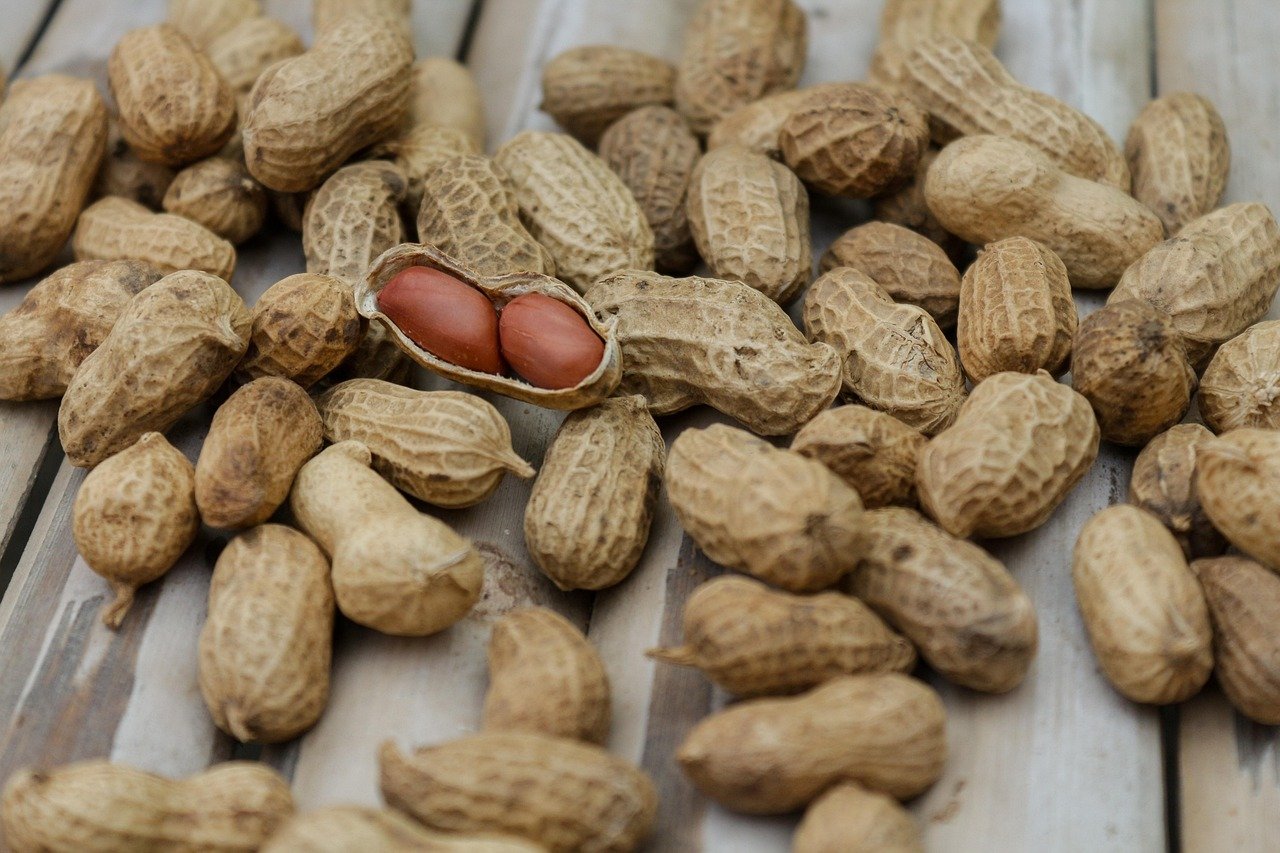
- Legumes: Beans (black beans, kidney beans, lentils), peas, and peanuts (technically a legume). These are packed with protein and fiber, contributing to satiety and digestive health.
- Nuts and Seeds: Almonds, walnuts, chia seeds, flaxseeds, pumpkin seeds. Offer protein along with healthy fats and fiber.
- Soy Products: Tofu, tempeh, edamame. Versatile and complete protein sources, meaning they contain all nine essential amino acids.
- Quinoa: A complete protein grain that is also a good source of fiber and other nutrients.
- Protein Powders: Whey, casein, soy, pea, rice, and hemp protein powders. Convenient options for supplementing protein intake, especially post-workout.
Choosing Quality Protein
Not all protein sources are created equal. Prioritize lean meats, fish, and plant-based options over processed meats and those high in saturated fats. Opt for whole, unprocessed foods whenever possible. Consider organic and grass-fed options when choosing animal products to minimize exposure to hormones and antibiotics.
How to Implement a High-Protein Diet
Calculating Your Protein Needs
Use a protein calculator to estimate your individual protein needs. Factors like activity level, body weight, and fitness goals influence the amount of protein you should consume daily. For example, a sedentary individual might aim for 1.2-1.5 grams of protein per kilogram of body weight, while an athlete might need 1.6-2.2 grams per kilogram.
Meal Planning and Preparation
Plan your meals in advance to ensure you are meeting your protein targets. Incorporate protein sources into every meal and snack. Prepare food in bulk to save time and effort during the week. Some example meals:
- Breakfast: Greek yogurt with berries and nuts, or an omelet with vegetables and cheese.
- Lunch: Grilled chicken salad, tuna salad sandwich on whole-wheat bread, or lentil soup.
- Dinner: Baked salmon with roasted vegetables, steak with sweet potato, or tofu stir-fry.
- Snacks: Hard-boiled eggs, protein bars, a handful of almonds, or cottage cheese with fruit.
Timing Your Protein Intake
Distribute your protein intake evenly throughout the day to maximize muscle protein synthesis and satiety. Consume protein within an hour or two after exercise to aid in muscle recovery.
Hydration and Fiber
Drink plenty of water to support kidney function and aid in the digestion of protein. Include high-fiber foods (fruits, vegetables, whole grains) in your diet to prevent constipation, a common side effect of high-protein diets.
Potential Risks and Considerations
Kidney Function
While high-protein diets are generally safe for healthy individuals, those with pre-existing kidney problems should consult with a healthcare professional before increasing their protein intake. High protein intake can put a strain on the kidneys, especially in those with impaired kidney function.
Nutrient Imbalances
Focusing solely on protein can lead to deficiencies in other essential nutrients. Ensure your diet is well-balanced and includes adequate amounts of fruits, vegetables, and healthy fats.
Digestive Issues
Some people may experience digestive discomfort (bloating, gas, constipation) when starting a high-protein diet. Gradually increase your protein intake and ensure you are consuming enough fiber and water to mitigate these issues.
Consulting with Professionals
Before making significant changes to your diet, it’s always best to consult with a registered dietitian or healthcare provider. They can assess your individual needs and goals and provide personalized guidance. This is especially important if you have any underlying health conditions.
Conclusion
A high-protein diet can be a valuable tool for weight management, muscle building, and overall health. By understanding the principles of high-protein eating, choosing quality protein sources, and implementing a well-planned approach, you can reap the numerous benefits while minimizing potential risks. Remember to listen to your body, prioritize balanced nutrition, and seek professional guidance when needed. The actionable takeaway is that a thoughtful and well-executed high-protein diet can be a powerful strategy for achieving your health and fitness goals.