Portion control. Two words that can make or break your health goals. It’s not just about restricting yourself, but rather about understanding how much food your body truly needs to thrive. In today’s world of oversized meals and readily available snacks, mastering portion control is more important than ever for maintaining a healthy weight, preventing chronic diseases, and boosting overall well-being. Let’s delve into the world of portion control and discover how it can revolutionize your eating habits.
Understanding Portion Control: The Foundation of Healthy Eating
What is Portion Control?
Portion control is the practice of managing the amount of food you consume in a single serving. It’s about aligning your food intake with your body’s needs, helping you achieve and maintain a healthy weight. It differs from dieting, which often focuses on restricting certain food groups, while portion control focuses on mindful eating and balancing your plate. According to the CDC, maintaining a healthy weight can reduce your risk of numerous diseases, including heart disease, type 2 diabetes, and certain types of cancer.
Why is Portion Control Important?
- Weight Management: Consuming appropriately sized portions helps regulate calorie intake, preventing excess calorie consumption that leads to weight gain.
- Improved Digestion: Smaller portions are easier for the digestive system to process, reducing bloating and discomfort.
- Increased Energy Levels: Consistent, controlled portions stabilize blood sugar levels, preventing energy crashes.
- Reduced Risk of Chronic Diseases: By maintaining a healthy weight, you lower your risk of conditions like heart disease, type 2 diabetes, and certain cancers.
- Mindful Eating: Portion control encourages awareness of hunger and fullness cues, fostering a healthier relationship with food.
Portion Size vs. Serving Size
It’s crucial to understand the difference between portion size and serving size. Serving size is the amount of food recommended on a product’s nutrition label. Portion size is the amount of food you actually choose to eat. Often, portions are much larger than recommended serving sizes. For example, a bag of chips may contain several servings, but it’s easy to consume the entire bag in one sitting.
Practical Strategies for Portion Control at Home
Using Visual Cues: The Plate Method
The plate method is a simple and effective way to visualize portion sizes.
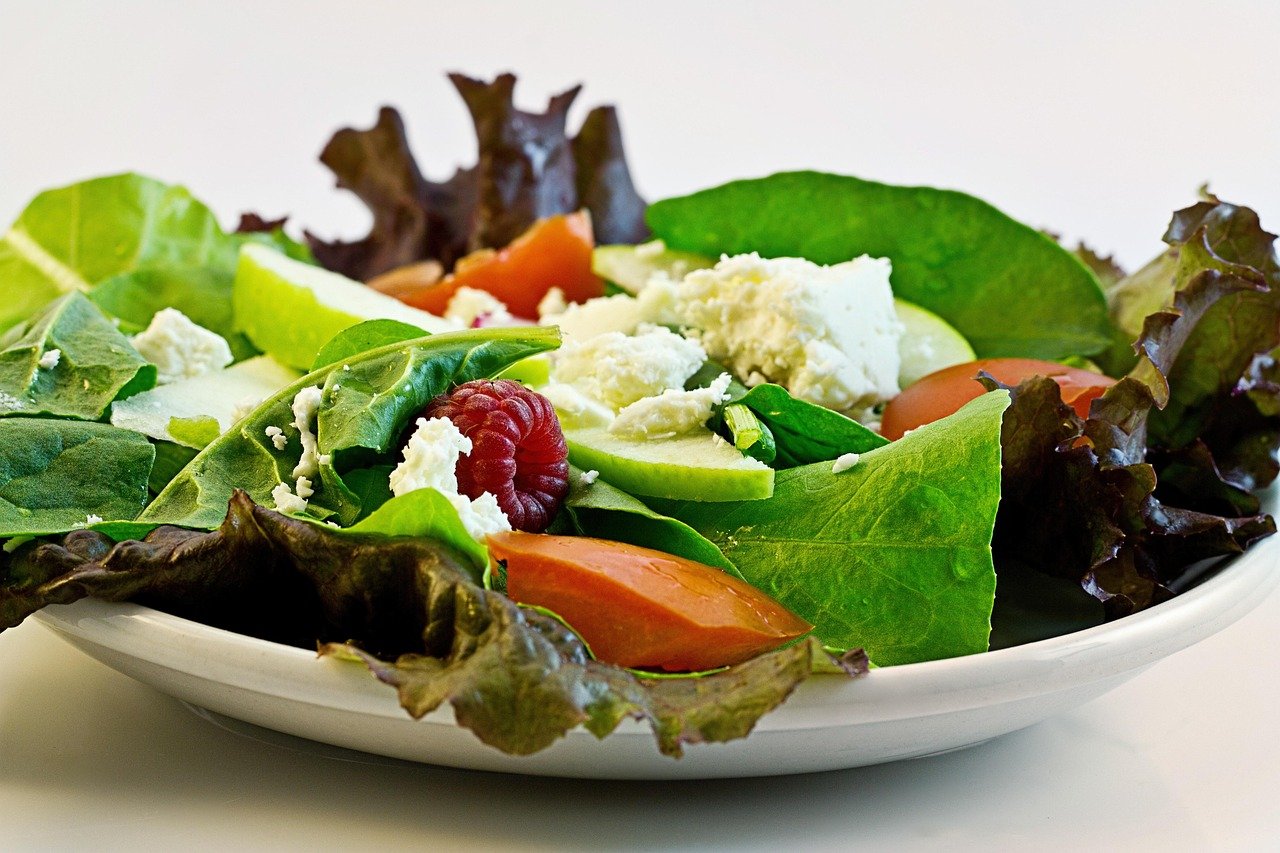
- Half of your plate: Should be filled with non-starchy vegetables like broccoli, spinach, salad, or peppers.
- One-quarter of your plate: Should contain lean protein like chicken breast, fish, or beans.
- One-quarter of your plate: Should be dedicated to complex carbohydrates such as brown rice, quinoa, or whole-wheat pasta.
This method provides a balanced and visually appealing way to manage your food intake.
Measuring Cups and Spoons
Using measuring cups and spoons can help you accurately gauge portion sizes, especially when preparing meals at home.
- Example: Use a 1-cup measuring cup for cooked pasta or rice. A standard serving of pasta is often much smaller than what people typically serve themselves.
- Example: Use a tablespoon to measure salad dressing, oil, or butter. These condiments can quickly add extra calories to your meal.
Pre-Portioning Meals and Snacks
Preparing your meals and snacks in advance can prevent overeating when hunger strikes.
- Pack lunches and snacks: Divide snacks like nuts, seeds, or yogurt into individual containers. This prevents you from mindlessly eating directly from a large bag or container.
- Freeze leftover meals: Store leftovers in single-serving containers for quick and healthy meals later in the week.
Using Smaller Plates and Bowls
Studies have shown that using smaller plates and bowls can trick your brain into thinking you’re eating more than you actually are. This is a simple yet effective way to reduce your overall food consumption without feeling deprived.
Portion Control When Eating Out
Understanding Restaurant Portion Sizes
Restaurant portions are often significantly larger than recommended serving sizes. One study found that restaurant meals typically contain two to three times the calories of a recommended serving.
Strategies for Eating Out Healthily
- Share an entree: Split a meal with a friend or family member.
- Order an appetizer as your main course: Appetizers are typically smaller and lower in calories than entrees.
- Ask for a doggy bag: Immediately pack half of your meal to take home before you start eating.
- Choose healthier options: Opt for grilled or baked dishes instead of fried ones, and ask for sauces and dressings on the side.
- Be mindful of drinks: Sugary drinks can quickly add up in calories. Choose water, unsweetened tea, or diet soda instead.
Navigating Buffet-Style Restaurants
Buffets can be a challenge for portion control, but with a few strategies, you can make healthier choices.
- Use a smaller plate: This will limit the amount of food you can take at once.
- Survey the buffet before you start: Plan your meal and prioritize healthier options like vegetables, lean protein, and whole grains.
- Fill up on vegetables first: This will help you feel fuller and less likely to overeat on less nutritious foods.
- Avoid going back for seconds: Stick to one plate and savor each bite.
Overcoming Common Portion Control Challenges
Emotional Eating
Emotional eating is eating in response to emotions rather than physical hunger. It can often lead to overeating and poor food choices.
- Identify triggers: Recognize the emotions that lead you to overeat.
- Find healthy coping mechanisms: Engage in activities like exercise, meditation, or spending time with loved ones.
- Seek professional help: A therapist or registered dietitian can provide guidance and support for managing emotional eating.
Mindless Eating
Mindless eating occurs when you consume food without paying attention to what you’re eating or how much you’re consuming. This often happens when watching TV, working on the computer, or scrolling through your phone.
- Eat at the table: Avoid eating in front of the TV or computer.
- Pay attention to your food: Savor each bite and focus on the taste, texture, and aroma.
- Remove distractions: Turn off the TV and put away your phone while eating.
Cravings and Temptations
Cravings and temptations can derail your portion control efforts.
- Plan ahead: Prepare healthy meals and snacks in advance to avoid impulsive choices.
- Allow yourself occasional treats: Deprivation can lead to overeating later. Allow yourself small portions of your favorite treats in moderation.
- Find healthy alternatives: Satisfy cravings with healthier options like fruit, yogurt, or a small portion of dark chocolate.
Conclusion
Mastering portion control is a journey, not a destination. It requires awareness, planning, and consistency. By understanding the principles of portion control, implementing practical strategies at home and when eating out, and overcoming common challenges, you can transform your eating habits and achieve lasting health benefits. Remember that it’s not about depriving yourself, but about nourishing your body with the right amount of food to thrive. Start small, be patient with yourself, and celebrate your progress along the way. With dedication and perseverance, portion control can become a sustainable and empowering part of your healthy lifestyle.