The Paleo diet, often referred to as the “caveman diet,” “Stone Age diet,” or “hunter-gatherer diet,” has gained considerable popularity in recent years. It’s more than just a trend; it’s a dietary approach rooted in the presumed eating habits of our ancestors from the Paleolithic era. This blog post delves into the core principles, benefits, and potential drawbacks of the Paleo diet, providing you with a comprehensive understanding of whether it’s the right choice for your health and wellness goals.
Understanding the Paleo Diet
The Paleo diet centers around consuming foods that our hunter-gatherer ancestors are believed to have eaten. The rationale is that our bodies are genetically better suited to these foods than to the processed foods that dominate modern diets. By eliminating processed foods, grains, legumes, and dairy, the diet aims to reduce inflammation and improve overall health.
Core Principles
- Emphasize Whole, Unprocessed Foods: The focus is on real, whole foods in their most natural state.
- Prioritize Protein: Meat, fish, poultry, and eggs are key components.
- Healthy Fats: Nuts, seeds, avocados, and olive oil are encouraged.
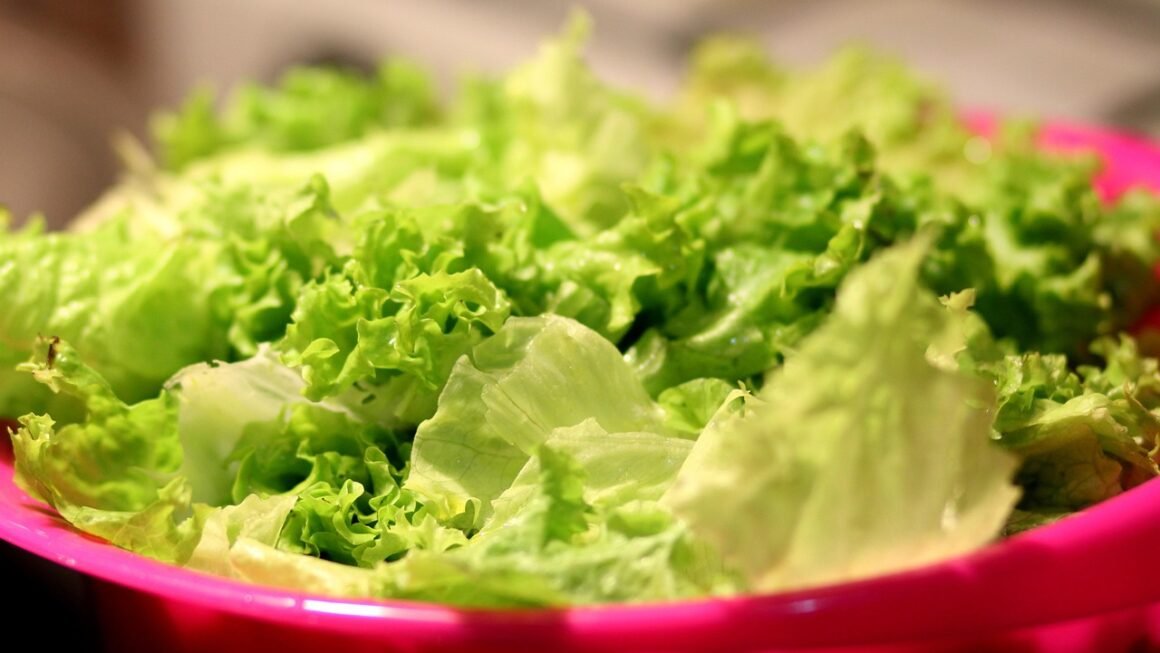
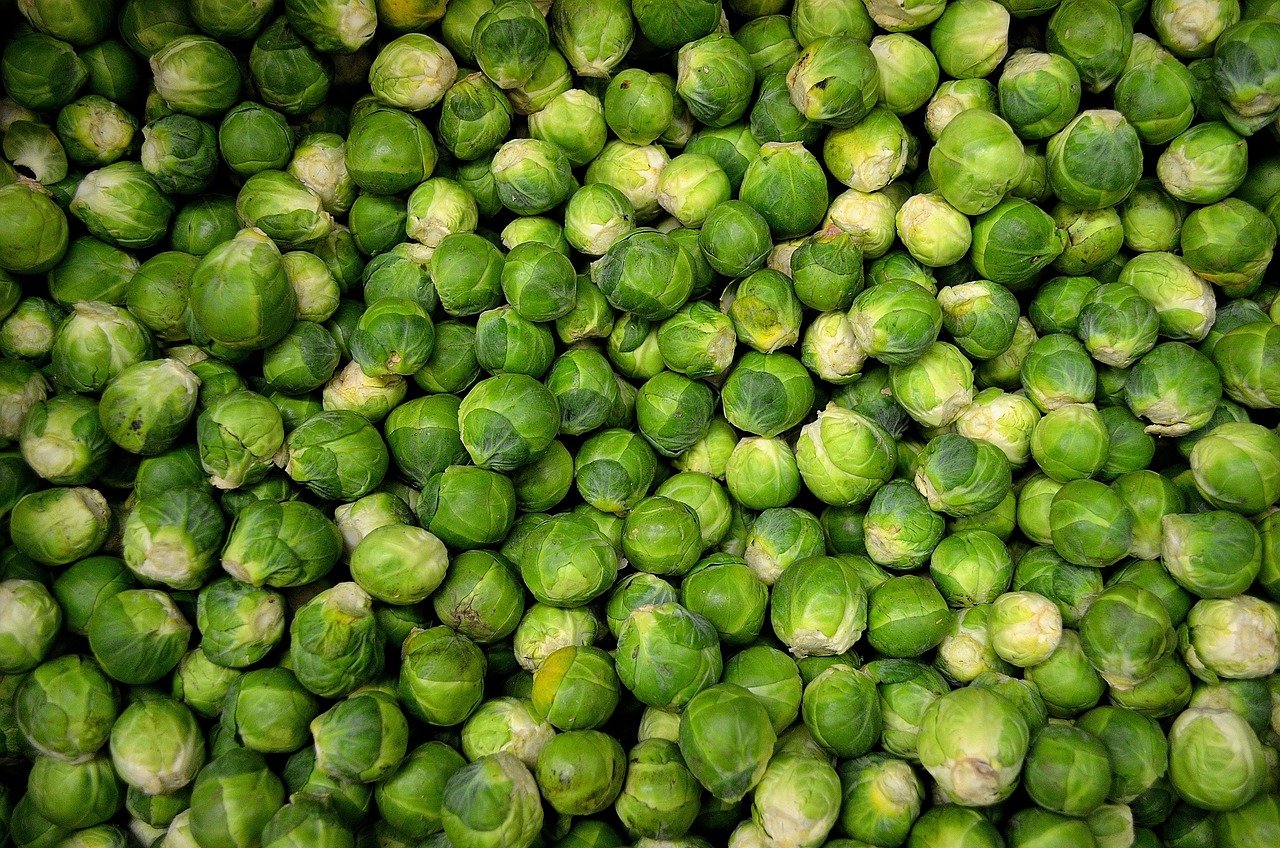
- Fruits and Vegetables: A wide variety of non-starchy fruits and vegetables provide essential vitamins, minerals, and fiber.
- Eliminate Processed Foods: Say goodbye to refined sugars, processed oils, and artificial additives.
- Avoid Grains and Legumes: These are excluded due to their relatively recent introduction into the human diet and potential for antinutrient content.
- Dairy Restriction: Dairy products are generally excluded, though some variations of the Paleo diet may allow grass-fed butter or ghee.
Foods to Eat and Avoid
- Eat:
Meat: Beef, lamb, pork, poultry (grass-fed and pastured when possible)
Fish: Salmon, tuna, mackerel, shrimp (wild-caught when possible)
Eggs: Pastured eggs are preferred
Vegetables: Broccoli, spinach, kale, peppers, carrots, onions
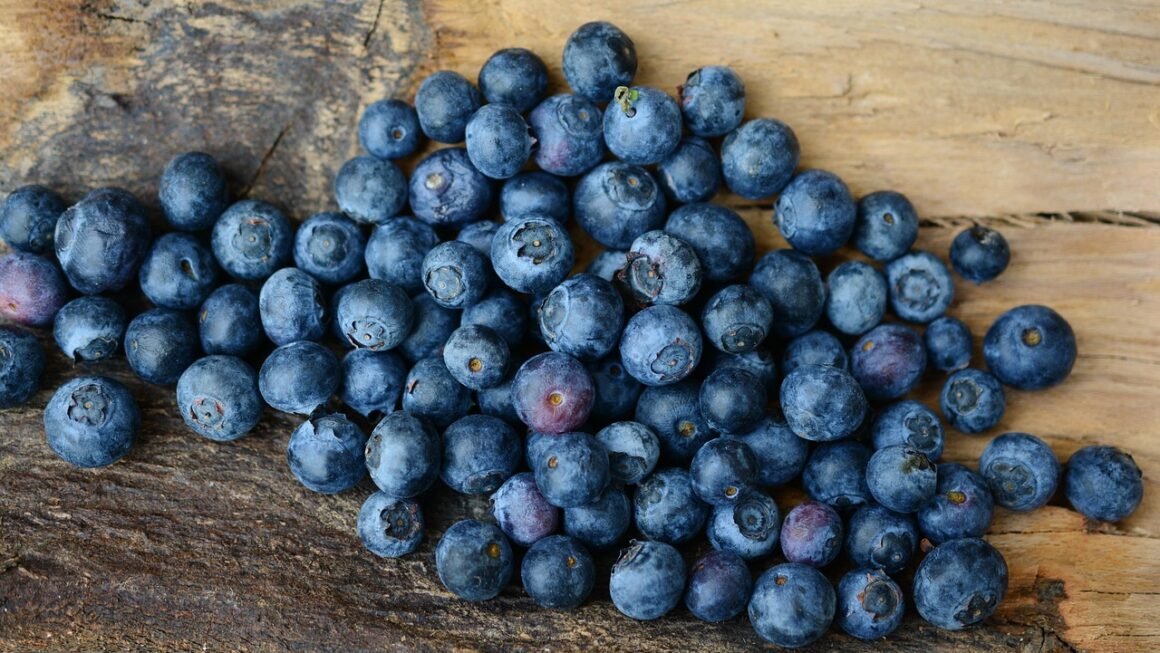
Fruits: Apples, bananas, oranges, berries, avocados
Nuts and Seeds: Almonds, walnuts, sunflower seeds, pumpkin seeds
Healthy Fats: Olive oil, coconut oil, avocado oil
- Avoid:
Grains: Wheat, rice, corn, oats, barley, rye
Legumes: Beans, lentils, peanuts, peas
Dairy: Milk, cheese, yogurt (some variations allow limited amounts)
Processed Foods: Sugary drinks, candy, pastries, processed meats
Refined Sugars: Table sugar, high-fructose corn syrup
Vegetable Oils: Sunflower oil, soybean oil, canola oil
A Practical Example
Imagine a typical Paleo meal: grilled salmon with roasted asparagus and a side of sliced avocado. Another option might be a chicken and vegetable stir-fry using coconut aminos instead of soy sauce, or a lean ground beef and zucchini noodle skillet. Paleo-friendly snacks could include a handful of almonds, hard-boiled eggs, or a small portion of berries.
Potential Benefits of the Paleo Diet
The Paleo diet has been linked to various potential health benefits, although more research is needed to confirm these claims definitively.
Weight Loss
- Reduced Calorie Intake: Eliminating processed foods and sugary drinks naturally reduces calorie intake.
- Increased Satiety: Higher protein and fiber intake promotes feelings of fullness and reduces cravings. Studies suggest that the Paleo diet can be effective for short-term weight loss, often surpassing results from conventional diets. A study published in the American Journal of Clinical Nutrition* found that participants on a Paleo diet lost more weight and experienced better metabolic improvements compared to those on a traditional diabetes diet.
Improved Blood Sugar Control
- Lower Glycemic Load: Eliminating grains and refined sugars helps stabilize blood sugar levels.
- Enhanced Insulin Sensitivity: Increased intake of lean protein and healthy fats can improve insulin sensitivity. For individuals with type 2 diabetes or insulin resistance, a Paleo diet may offer significant benefits in managing blood sugar levels.
Reduced Inflammation
- Elimination of Inflammatory Foods: Avoiding processed foods, grains, and legumes can reduce inflammation in the body.
- Increased Antioxidant Intake: A diet rich in fruits and vegetables provides essential antioxidants that combat inflammation. Chronic inflammation is linked to numerous health problems, including heart disease, cancer, and autoimmune disorders. The Paleo diet’s focus on whole, unprocessed foods may help mitigate inflammatory responses.
Other Potential Benefits
- Improved Heart Health: By promoting healthy cholesterol levels and reducing blood pressure.
- Enhanced Gut Health: A diet rich in fiber and free from processed foods can support a healthy gut microbiome.
- Increased Energy Levels: Eliminating processed foods and sugary drinks can lead to more sustained energy throughout the day.
Potential Drawbacks and Considerations
While the Paleo diet offers several potential benefits, it’s essential to consider its potential drawbacks and whether it aligns with your individual needs and circumstances.
Nutrient Deficiencies
- Calcium: Excluding dairy can lead to a calcium deficiency if not properly addressed with alternative sources like leafy greens and fortified plant-based milk.
- Vitamin D: Without fortified foods or adequate sun exposure, maintaining sufficient vitamin D levels can be challenging.
- Iodine: Seafood is a good source of iodine, but those who don’t consume it regularly may need to supplement. Careful meal planning or supplementation might be necessary to ensure adequate intake of these essential nutrients. Consulting with a registered dietitian or healthcare professional can help identify and address potential nutrient deficiencies.
Restrictiveness and Sustainability
- Social Challenges: The restrictive nature of the Paleo diet can make social eating situations difficult.
- Cost: High-quality meat, fish, and organic produce can be more expensive than processed foods. Some people find it challenging to maintain the Paleo diet long-term due to its restrictive nature and potential for social isolation. It’s essential to assess whether the diet is sustainable for your lifestyle and preferences.
Potential for High Saturated Fat Intake
- Emphasis on Meat: A heavy reliance on meat can lead to high saturated fat intake, which may be a concern for individuals with high cholesterol. It’s important to choose lean cuts of meat and balance the diet with plenty of fruits, vegetables, and healthy fats.
Not Suitable for Everyone
- Individuals with Certain Medical Conditions: Those with kidney problems or a history of eating disorders should consult with a healthcare professional before starting the Paleo diet.
- Athletes: The diet’s restriction on carbohydrates may impact athletic performance, especially for endurance athletes.
Tips for Following the Paleo Diet Successfully
If you decide to embark on the Paleo journey, here are some practical tips to help you succeed:
Start Gradually
- Ease into the Diet: Don’t try to overhaul your entire diet overnight. Start by gradually eliminating processed foods and adding more Paleo-friendly options.
Plan Your Meals
- Meal Prep is Key: Planning your meals in advance helps you stay on track and avoid unhealthy temptations.
- Batch Cooking: Prepare large batches of food to have on hand throughout the week.
Focus on Variety
- Eat a Wide Range of Foods: Include a variety of fruits, vegetables, meats, and healthy fats to ensure you’re getting all the nutrients you need.
- Explore Different Recipes: Experiment with new recipes to keep your meals interesting and prevent boredom.
Read Labels Carefully
- Become a Label Reader: Pay attention to ingredient lists and nutritional information to avoid hidden sugars, processed oils, and artificial additives.
Listen to Your Body
- Pay Attention to How You Feel: Monitor your energy levels, digestion, and overall well-being. Adjust the diet as needed based on your individual needs and preferences.
Conclusion
The Paleo diet offers a potentially effective approach to improving health through a focus on whole, unprocessed foods. It’s linked to benefits like weight loss, improved blood sugar control, and reduced inflammation. However, it’s essential to consider its potential drawbacks, such as nutrient deficiencies and restrictiveness. By carefully planning your meals, focusing on variety, and consulting with healthcare professionals, you can determine if the Paleo diet is the right choice for achieving your health and wellness goals. Remember, the key to a successful and sustainable diet is finding an approach that aligns with your individual needs and lifestyle.