Embark on a journey back in time with the Paleo diet, a nutritional approach rooted in the eating habits of our hunter-gatherer ancestors. Ditching the processed foods of modern society for whole, unprocessed alternatives, the Paleo diet promises a range of potential health benefits. This guide will delve into the core principles of the Paleo diet, its potential advantages, and how to get started.
What is the Paleo Diet?
The Core Principles
The Paleo diet, also known as the caveman diet, Stone Age diet, or hunter-gatherer diet, centers around the concept of eating foods that humans theoretically consumed during the Paleolithic era, before the advent of agriculture. This focuses on whole, unprocessed foods similar to what our ancestors would have hunted and gathered.
Foods to Eat on Paleo:
- Meats: Lean meats like beef, lamb, chicken, turkey, and pork (preferably grass-fed or pastured)
- Fish and Seafood: Wild-caught fish such as salmon, tuna, mackerel, shrimp, and shellfish
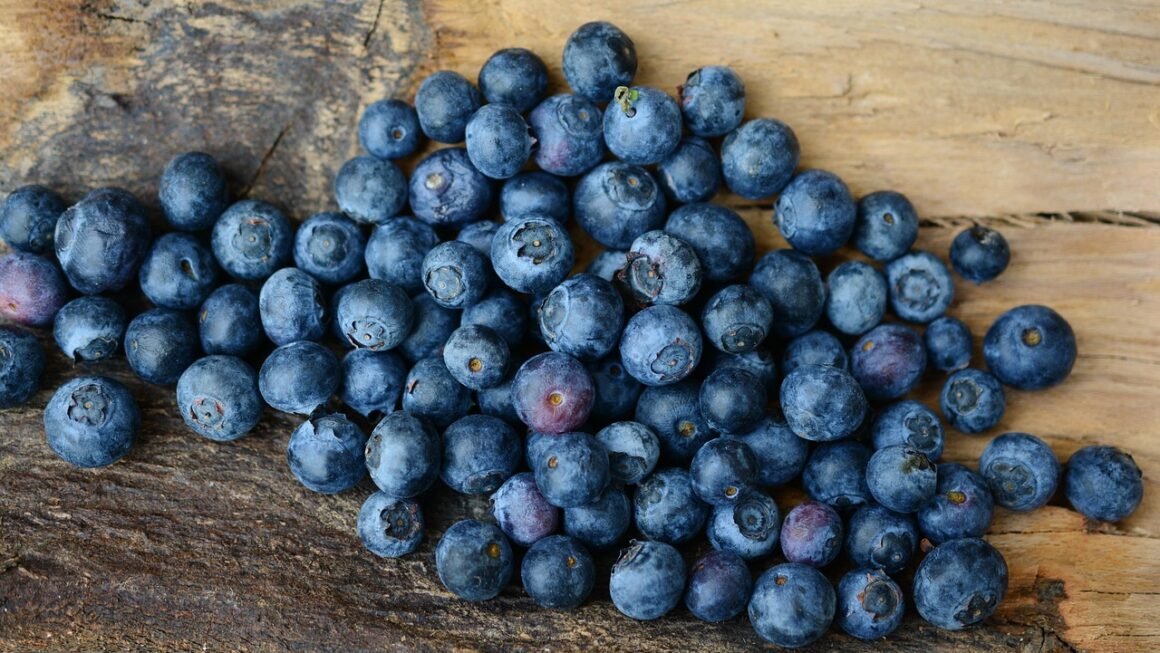
- Fruits: Berries, apples, oranges, bananas, melons, and avocados
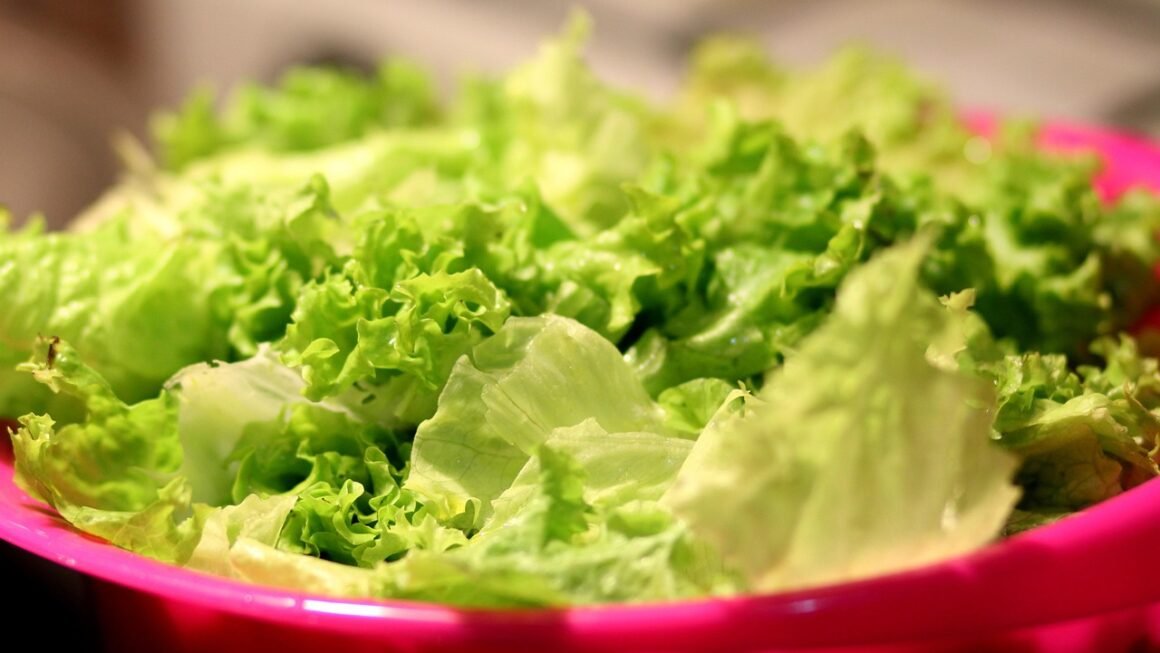
- Vegetables: Leafy greens, broccoli, cauliflower, carrots, peppers, and onions
- Nuts and Seeds: Almonds, walnuts, sunflower seeds, pumpkin seeds, and chia seeds
- Healthy Fats: Olive oil, coconut oil, avocado oil, and nuts/seeds
Foods to Avoid on Paleo:
- Grains: Wheat, barley, rice, corn, oats, and rye
- Legumes: Beans, lentils, peas, and peanuts
- Dairy: Milk, cheese, yogurt, and butter
- Processed Foods: Sugary drinks, packaged snacks, processed meats, and refined oils
- Refined Sugar: Table sugar, high-fructose corn syrup, and artificial sweeteners
Potential Health Benefits of the Paleo Diet
Weight Loss and Management
One of the most common reasons people adopt the Paleo diet is for weight loss. By eliminating processed foods, sugar, and refined carbohydrates, the Paleo diet can help reduce calorie intake and promote satiety. A study published in the American Journal of Clinical Nutrition found that the Paleo diet resulted in greater short-term weight loss compared to other diets.
Improved Blood Sugar Control
The Paleo diet’s emphasis on whole, unprocessed foods and its avoidance of refined carbohydrates and sugar can lead to improved blood sugar control. This makes it a potentially beneficial diet for people with type 2 diabetes or insulin resistance. The reduction in processed carbohydrates helps to stabilize blood sugar levels, preventing spikes and crashes.
Reduced Inflammation
The Paleo diet is rich in anti-inflammatory foods such as fruits, vegetables, and omega-3 fatty acids from fish. By eliminating processed foods, which are often high in inflammatory compounds, the Paleo diet can help reduce inflammation in the body. Chronic inflammation is linked to various health problems, including heart disease, cancer, and autoimmune disorders.
Enhanced Nutrient Intake
Focusing on whole, unprocessed foods ensures a higher intake of essential nutrients, vitamins, and minerals. For example, including a variety of colorful vegetables in your meals will provide a broad spectrum of vitamins and antioxidants. Incorporating lean meats and fish ensures adequate protein intake, essential for muscle building and repair.
Getting Started with the Paleo Diet
Transitioning Gradually
Instead of making drastic changes overnight, consider transitioning to the Paleo diet gradually. Start by eliminating one or two food groups at a time, such as processed foods and refined sugars. This can make the transition more manageable and sustainable.
Meal Planning and Preparation
Planning your meals in advance can help you stay on track with the Paleo diet. Spend some time each week creating a meal plan and preparing ingredients in advance. This can prevent you from resorting to unhealthy options when you’re short on time. For example, batch-cooking chicken or roasting vegetables on the weekend can provide quick and healthy meal options during the week.
Finding Paleo-Friendly Recipes
Explore online resources and cookbooks for Paleo-friendly recipes. There are countless delicious and creative recipes available that align with the principles of the Paleo diet. Websites like Nom Nom Paleo and Paleo Leap offer a wide variety of recipes for every meal.
Reading Food Labels
Become a diligent label reader to ensure that you’re avoiding processed foods and ingredients that are not Paleo-friendly. Pay close attention to added sugars, refined grains, and unhealthy fats.
Potential Drawbacks and Considerations
Nutrient Deficiencies
If not properly planned, the Paleo diet could lead to nutrient deficiencies, especially in calcium and vitamin D, due to the restriction of dairy products. It’s important to ensure you’re getting these nutrients from other sources, such as leafy green vegetables and fortified foods (if you choose to include them).
Cost
Adopting a Paleo diet can sometimes be more expensive than a conventional diet, especially if you prioritize organic, grass-fed meats and wild-caught fish. Consider buying in bulk and choosing seasonal produce to help reduce costs.
Social Challenges
Following the Paleo diet can present social challenges, especially when dining out or attending social events. Be prepared to make informed choices and communicate your dietary needs to others. You can also bring your own Paleo-friendly snacks or meals to social gatherings.
Not a One-Size-Fits-All Approach
It’s important to remember that the Paleo diet may not be suitable for everyone. Individuals with certain health conditions or dietary restrictions should consult with a healthcare professional or registered dietitian before making significant changes to their diet.
Conclusion
The Paleo diet offers a compelling approach to nutrition by emphasizing whole, unprocessed foods and mimicking the eating habits of our ancestors. While it can provide potential benefits such as weight loss, improved blood sugar control, and reduced inflammation, it’s crucial to approach the diet with careful planning and awareness of potential drawbacks. By gradually transitioning, planning meals, and being mindful of your nutrient intake, you can determine whether the Paleo diet is a suitable and sustainable choice for your health goals. Remember to consult with a healthcare professional or registered dietitian before making any significant dietary changes.