Embark on a journey back in time, not through history books, but through your plate! The Paleo diet, often called the “caveman diet,” promises a return to the eating habits of our Paleolithic ancestors. But is it just another fad diet, or a scientifically sound approach to better health? Let’s delve into the world of the Paleo diet, exploring its principles, benefits, and potential drawbacks, so you can decide if it’s the right fit for you.
What is the Paleo Diet?
Core Principles
The Paleo diet revolves around the idea of consuming foods that our hunter-gatherer ancestors are believed to have eaten during the Paleolithic era, which lasted roughly from 2.5 million to 10,000 years ago. This means focusing on whole, unprocessed foods that were readily available before the advent of agriculture.
- Emphasis on: Lean proteins, fruits, vegetables, nuts, and seeds.
- Exclusion of: Grains, legumes, dairy products, processed foods, refined sugars, and vegetable oils.
- Focus on Whole Foods: The Paleo diet emphasizes eating real, unprocessed foods.
- Avoidance of Processed Foods: Processed foods, with their artificial ingredients and additives, are strictly avoided.
Foods to Eat
Sticking to the Paleo diet involves focusing on whole, unprocessed foods that our ancestors likely consumed. Here’s a more detailed breakdown:
- Meats: Grass-fed beef, chicken, turkey, pork (choose leaner cuts).
- Fish and Seafood: Salmon, tuna, shrimp, shellfish (wild-caught is preferred).
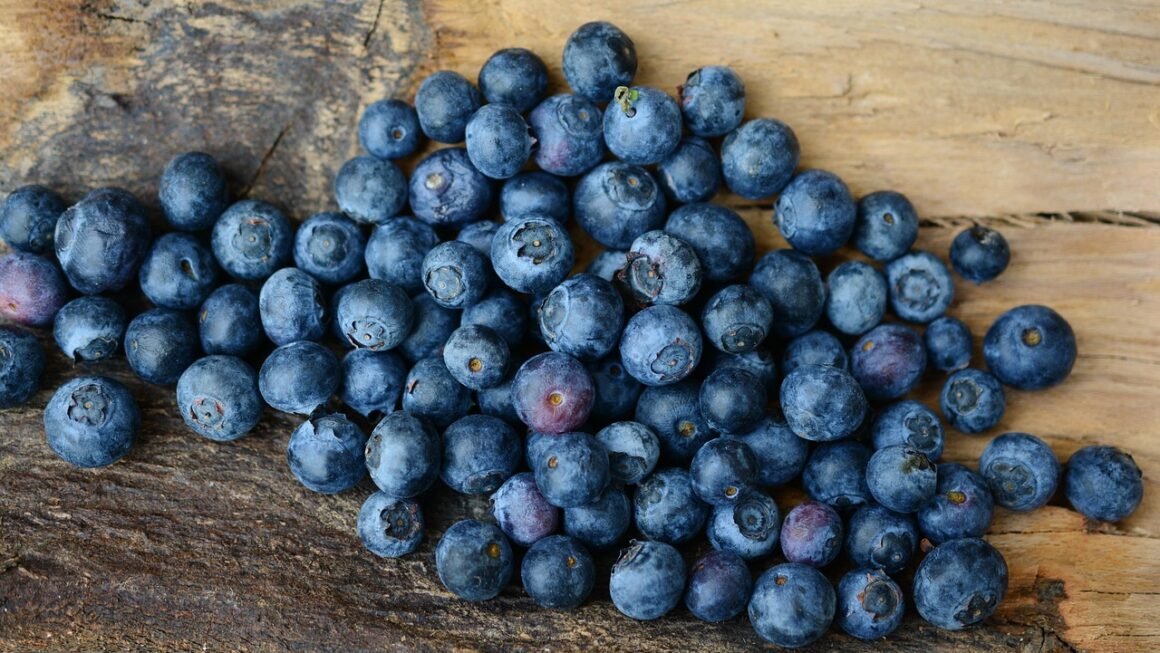
- Fruits: Apples, bananas, berries, oranges, pears, etc.
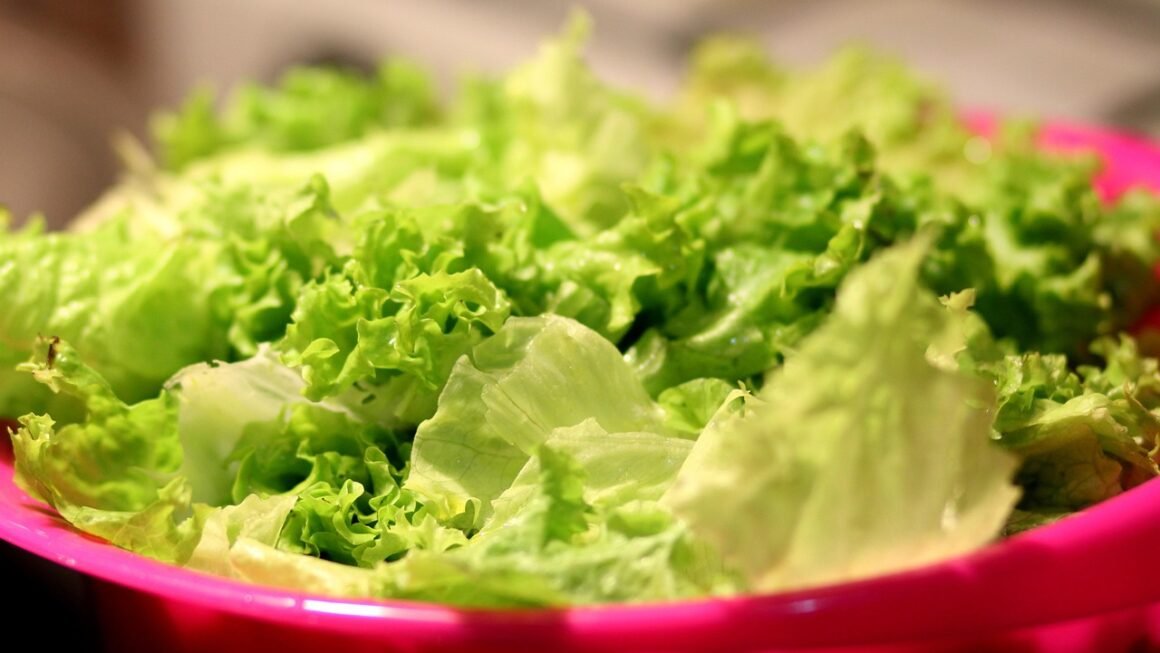
- Vegetables: Broccoli, carrots, peppers, spinach, sweet potatoes, etc.
- Nuts and Seeds: Almonds, walnuts, sunflower seeds, pumpkin seeds, etc.
- Healthy Fats: Avocado, olive oil, coconut oil.
Foods to Avoid
The exclusion of certain food groups is a core aspect of the Paleo diet. These are foods that were introduced with the advent of agriculture.
- Grains: Wheat, barley, rye, rice, corn.
- Legumes: Beans, lentils, peanuts, soy products.
- Dairy: Milk, cheese, yogurt.
- Processed Foods: Anything with added sugars, artificial sweeteners, artificial flavors, preservatives, and unhealthy fats.
- Refined Sugars: Table sugar, high-fructose corn syrup, etc.
- Vegetable Oils: Sunflower oil, soybean oil, corn oil (opt for olive oil, coconut oil, or avocado oil).
Benefits of the Paleo Diet
Weight Loss
The Paleo diet naturally promotes weight loss due to its emphasis on whole, unprocessed foods and its elimination of sugary, high-calorie processed items.
- Reduced Calorie Intake: By eliminating processed foods and refined sugars, you naturally reduce your calorie intake.
- Increased Satiety: Protein and fiber-rich foods keep you feeling full for longer.
- Example: Substituting a processed breakfast cereal with a fruit and nut mix will reduce your intake of added sugars and refined carbohydrates, aiding weight loss.
Improved Blood Sugar Control
By cutting out refined carbohydrates and sugars, the Paleo diet can help stabilize blood sugar levels.
- Lower Glycemic Index: The Paleo diet typically consists of foods with a lower glycemic index, preventing rapid spikes and crashes in blood sugar.
- Improved Insulin Sensitivity: Reduced sugar intake can improve your body’s sensitivity to insulin.
- Example: Replacing a white bread sandwich with a salad with grilled chicken will help maintain stable blood sugar levels.
Reduced Inflammation
Many Paleo advocates believe the diet reduces inflammation in the body, thanks to the elimination of processed foods, grains, and legumes.
- Omega-3 Fatty Acids: The diet encourages consumption of foods rich in omega-3 fatty acids, known for their anti-inflammatory properties.
- Antioxidants: Fruits and vegetables are packed with antioxidants, which help combat inflammation.
- Example: Choosing wild-caught salmon over processed deli meat can provide a boost of anti-inflammatory omega-3 fatty acids.
Enhanced Nutrient Intake
The Paleo diet prioritizes nutrient-dense foods, leading to a potentially higher intake of vitamins, minerals, and antioxidants.
- Variety of Fruits and Vegetables: The diet encourages a wide variety of fruits and vegetables, each offering a unique blend of nutrients.
- Lean Proteins: Lean proteins provide essential amino acids for building and repairing tissues.
- Example: Snacking on a handful of almonds instead of a processed granola bar provides a boost of healthy fats, protein, and essential minerals.
Potential Drawbacks and Considerations
Restrictiveness
The Paleo diet can be quite restrictive, making it challenging to adhere to long-term.
- Social Situations: It can be difficult to eat out or attend social gatherings due to the limited food options.
- Cravings: Cutting out entire food groups can lead to cravings.
- Practical Tip: Plan ahead for meals and snacks, and research Paleo-friendly options at restaurants.
Nutrient Deficiencies
Strict adherence to the Paleo diet without careful planning can lead to potential nutrient deficiencies, particularly calcium and vitamin D due to the exclusion of dairy.
- Calcium Sources: Incorporate non-dairy sources of calcium, such as leafy green vegetables.
- Vitamin D Supplementation: Consider vitamin D supplementation, especially if you live in a region with limited sunlight exposure.
- Consultation: Consult with a healthcare professional or registered dietitian to ensure you’re meeting all your nutritional needs.
Cost
Sourcing high-quality, grass-fed meats, wild-caught fish, and organic produce can be expensive.
- Budget-Friendly Options: Focus on seasonal produce, buy in bulk when possible, and choose leaner, more affordable cuts of meat.
- Prioritize Quality: When possible, prioritize quality over quantity, especially when it comes to meats and fats.
Sustainability
The emphasis on meat consumption raises concerns about the environmental impact of the Paleo diet.
- Consider Reducing Meat Intake: Consider incorporating more plant-based Paleo-friendly meals into your diet.
- Sustainable Sourcing: Choose sustainably sourced meats and fish whenever possible.
Getting Started with the Paleo Diet
Gradual Transition
Don’t try to overhaul your diet overnight. Start with small, gradual changes.
- Start with one meal: Begin by making one meal per day Paleo-friendly.
- Gradually replace processed foods: Swap out processed snacks for whole, unprocessed alternatives.
- Example: Start by replacing your usual breakfast of toast and cereal with eggs and vegetables.
Meal Planning and Preparation
Planning your meals in advance can help you stay on track and avoid unhealthy impulse choices.
- Create a weekly meal plan: Plan out your meals for the week, including breakfast, lunch, dinner, and snacks.
- Prep ingredients in advance: Chop vegetables, cook proteins, and prepare snacks ahead of time to save time during the week.
- Example: On Sunday, spend a few hours prepping a batch of roasted vegetables, grilling chicken, and making a batch of hard-boiled eggs.
Focus on Whole, Unprocessed Foods
The core principle of the Paleo diet is to eat real, whole, unprocessed foods.
- Read food labels carefully: Avoid foods with added sugars, artificial sweeteners, preservatives, and unhealthy fats.
- Cook at home: Cooking at home allows you to control the ingredients and ensure you’re eating healthy, unprocessed foods.
- Example: Opt for making a homemade salad dressing with olive oil, vinegar, and herbs instead of buying a store-bought dressing.
Conclusion
The Paleo diet, with its emphasis on whole, unprocessed foods, can be a powerful tool for weight loss, improved blood sugar control, and reduced inflammation. However, it’s important to consider the potential drawbacks, such as its restrictiveness, potential nutrient deficiencies, and cost. By transitioning gradually, planning your meals carefully, and focusing on whole, unprocessed foods, you can maximize the benefits of the Paleo diet while minimizing the risks. As with any significant dietary change, consulting with a healthcare professional or registered dietitian is recommended to ensure it’s the right choice for your individual needs and health goals. Ultimately, whether the Paleo diet is right for you depends on your personal preferences, lifestyle, and commitment to making long-term changes.