A tailored fitness plan is more than just hitting the gym; it’s about crafting a sustainable lifestyle that enhances your strength, endurance, and overall well-being. Forget generic routines and embrace a strategy designed specifically for you. This guide breaks down the essential elements of a successful fitness plan for men, providing practical tips and actionable advice to help you achieve your goals. Whether you’re a seasoned athlete or just starting your fitness journey, this comprehensive overview will empower you to build a healthier and stronger you.
Understanding Your Fitness Baseline and Goals
Assessing Your Current Fitness Level
Before diving into a new fitness plan, it’s crucial to understand where you currently stand. This involves a self-assessment and possibly consulting with a healthcare professional or certified personal trainer.
- Cardiovascular Fitness: Test your endurance with a brisk walk or run. Note the distance, time, and how you feel.
- Strength: Determine the maximum weight you can lift for a single repetition (1RM) for exercises like squats, bench press, and deadlifts. If you are new to these exercises, start with lighter weights and focus on form.
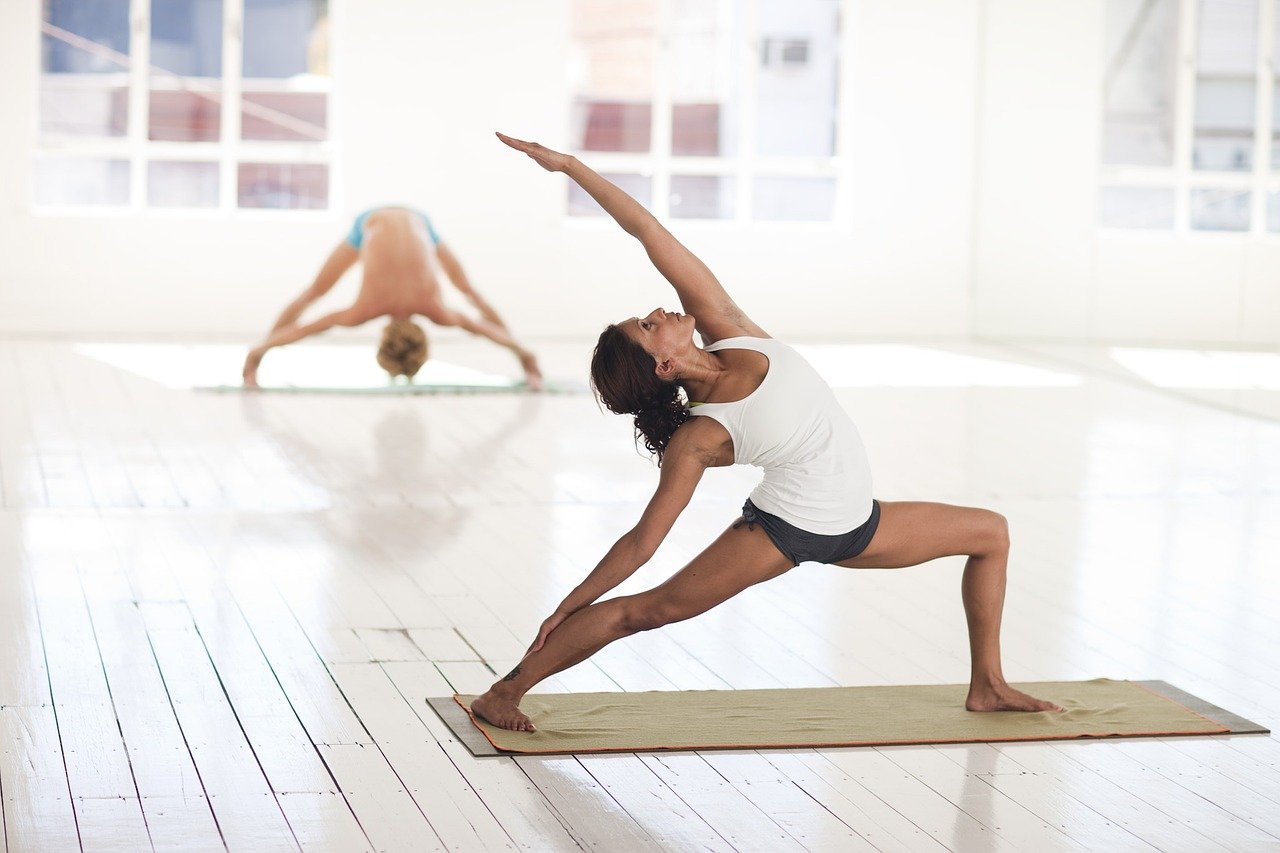
- Flexibility: Evaluate your range of motion with stretches. Can you comfortably touch your toes? How flexible are your shoulders?
- Body Composition: Measure your body fat percentage using calipers or a body composition scale. Knowing your starting point is crucial for tracking progress.
Defining Realistic Fitness Goals
Setting clear, achievable goals is paramount for long-term success. Avoid vague objectives like “get in shape” and instead, focus on specific, measurable, achievable, relevant, and time-bound (SMART) goals.
- Example: Instead of “lose weight,” aim to “lose 1-2 pounds per week for the next 12 weeks.”
- Strength Goal: “Increase my bench press by 20 pounds in 3 months.”
- Endurance Goal: “Run a 5K race in under 30 minutes within 6 months.”
- Prioritize goals: Focus on 1-3 key objectives to avoid feeling overwhelmed.
Designing Your Workout Routine
Strength Training
Strength training is essential for building muscle mass, boosting metabolism, and improving bone density. Aim for at least two to three sessions per week, targeting different muscle groups.
- Compound Exercises: Prioritize compound movements that work multiple muscle groups simultaneously.
Squats: Targets legs, glutes, and core.
Deadlifts: Works the entire posterior chain (back, glutes, hamstrings).
Bench Press: Focuses on chest, shoulders, and triceps.
Overhead Press: Strengthens shoulders and upper back.
Rows: Builds back muscles and improves posture.
- Isolation Exercises: Supplement compound exercises with isolation movements to target specific muscles.
Bicep Curls: Works the biceps.
Tricep Extensions: Targets the triceps.
Calf Raises: Strengthens calf muscles.
Lateral Raises: Isolates the deltoid (shoulder) muscles.
- Sets and Repetitions:
For Strength: 3-5 sets of 3-5 repetitions with heavier weight.
For Muscle Growth (Hypertrophy): 3-4 sets of 8-12 repetitions with moderate weight.
For Endurance: 2-3 sets of 15-20 repetitions with lighter weight.
- Rest: Allow adequate rest between sets (60-90 seconds for strength, 30-60 seconds for hypertrophy).
Cardiovascular Training
Cardio improves heart health, burns calories, and enhances overall fitness. Include at least 150 minutes of moderate-intensity or 75 minutes of vigorous-intensity cardio per week.
- Types of Cardio:
Running: Great for burning calories and improving cardiovascular health.
Cycling: Low-impact and excellent for building leg strength.
Swimming: Full-body workout that is gentle on joints.
High-Intensity Interval Training (HIIT): Short bursts of intense exercise followed by brief recovery periods. Example: Sprint for 30 seconds, walk for 60 seconds, repeat 10-15 times.
* Brisk Walking: Accessible and effective for beginners.
- Frequency and Duration: Aim for 3-5 cardio sessions per week, each lasting 30-60 minutes.
- Monitor Intensity: Use the Rate of Perceived Exertion (RPE) scale or a heart rate monitor to ensure you’re working at the appropriate intensity level.
Flexibility and Mobility
Flexibility and mobility are often overlooked but crucial for preventing injuries and improving performance.
- Static Stretching: Hold each stretch for 30 seconds, focusing on major muscle groups (hamstrings, quads, chest, back). Perform static stretches after workouts.
- Dynamic Stretching: Incorporate dynamic stretches before workouts to prepare your muscles for activity. Examples include arm circles, leg swings, and torso twists.
- Foam Rolling: Use a foam roller to release muscle tension and improve flexibility. Focus on areas like the legs, back, and shoulders.
Nutrition for Optimal Performance
Macronutrient Balance
A balanced diet is critical for fueling workouts and supporting muscle growth.
- Protein: Aim for 0.8-1 gram of protein per pound of body weight to support muscle repair and growth. Good sources include lean meats, poultry, fish, eggs, dairy, and plant-based protein sources like beans and lentils.
- Carbohydrates: Provide energy for workouts. Choose complex carbohydrates like whole grains, fruits, and vegetables over processed carbs.
- Fats: Essential for hormone production and overall health. Opt for healthy fats like avocados, nuts, seeds, and olive oil.
- Caloric Intake: Adjust your caloric intake based on your goals. To lose weight, create a calorie deficit by consuming fewer calories than you burn. To gain muscle, consume a slight calorie surplus.
Hydration
Staying hydrated is crucial for performance and overall health.
- Water Intake: Drink at least half your body weight in ounces of water each day. Increase your intake during and after workouts.
- Electrolytes: Replenish electrolytes lost through sweat with sports drinks or electrolyte supplements, especially during intense or prolonged workouts.
Supplementation (Optional)
While a balanced diet should be your primary focus, certain supplements can provide additional benefits. Consult with a healthcare professional before starting any new supplement regimen.
- Creatine: Enhances strength and power.
- Whey Protein: Convenient source of protein for post-workout recovery.
- Vitamin D: Important for bone health and immune function, especially during winter months.
Tracking Progress and Making Adjustments
Monitoring Your Progress
Regularly track your progress to stay motivated and identify areas for improvement.
- Weight and Body Measurements: Weigh yourself and take body measurements (chest, waist, hips, thighs) every 2-4 weeks.
- Strength Gains: Track the weight you’re lifting for each exercise and monitor your progress over time.
- Cardio Performance: Record your times for running, cycling, or other cardio activities.
- Photos: Take progress photos every month to visually track your changes.
Adjusting Your Plan
As you progress, you’ll need to adjust your fitness plan to continue seeing results.
- Increase Intensity: Gradually increase the weight you’re lifting, the duration of your cardio workouts, or the intensity of your HIIT sessions.
- Vary Your Routine: Prevent plateaus by changing your exercises, sets, repetitions, or training style.
- Listen to Your Body: Rest and recover when needed. Don’t push yourself too hard, especially when you’re feeling fatigued or sore.
- Seek Professional Guidance: Consult with a certified personal trainer or registered dietitian for personalized advice and guidance.
Conclusion
Crafting and sticking to a fitness plan tailored to your individual needs and goals can significantly improve your overall health and well-being. By understanding your current fitness level, setting realistic objectives, designing a balanced workout routine, optimizing your nutrition, and tracking your progress, you can achieve remarkable results. Remember to prioritize consistency, listen to your body, and make adjustments as needed. Embrace the journey, and enjoy the rewards of a healthier, stronger you.