Inflammation. It’s a word we hear often, often with negative connotations. While acute inflammation is a crucial part of the body’s healing process, chronic inflammation is a silent culprit behind many modern ailments. Could diet play a role in combating this pervasive problem? Absolutely! An anti-inflammatory diet isn’t just another fad; it’s a sustainable way of eating designed to reduce inflammation and improve overall health. This post will dive into the principles of an anti-inflammatory diet, providing you with practical tips and examples to get you started on your journey towards a healthier, less inflamed you.
Understanding Inflammation and Its Impact
What is Inflammation?
Inflammation is the body’s natural response to injury or infection. It’s a complex process involving the immune system, blood vessels, and various cellular mediators. Acute inflammation is short-term and beneficial, helping to repair damaged tissue. However, chronic inflammation, which persists over time, can damage healthy cells and contribute to chronic diseases. Think of it as a fire that won’t go out.
Causes of Chronic Inflammation
Several factors can contribute to chronic inflammation:
- Diet: A diet high in processed foods, sugar, and unhealthy fats.
- Lifestyle: Lack of exercise, chronic stress, and smoking.
- Environmental Factors: Exposure to pollutants and toxins.
- Underlying Conditions: Autoimmune diseases, infections, and obesity.
The Link Between Inflammation and Disease
Chronic inflammation is linked to a wide range of diseases, including:
- Heart disease
- Type 2 diabetes
- Arthritis
- Alzheimer’s disease
- Cancer
- Inflammatory bowel disease (IBD)
Reducing chronic inflammation through diet and lifestyle changes can significantly lower your risk of developing these conditions and improve your overall quality of life.
The Principles of an Anti-Inflammatory Diet
Focusing on Whole, Unprocessed Foods
The cornerstone of an anti-inflammatory diet is focusing on whole, unprocessed foods. These foods are naturally rich in nutrients and antioxidants that help combat inflammation. Think of filling your plate with vibrant colors from fruits and vegetables.
Emphasizing Fruits and Vegetables
Fruits and vegetables are packed with antioxidants, vitamins, and minerals that fight inflammation. Aim for a wide variety to get a broad spectrum of nutrients. Here are some powerhouse examples:
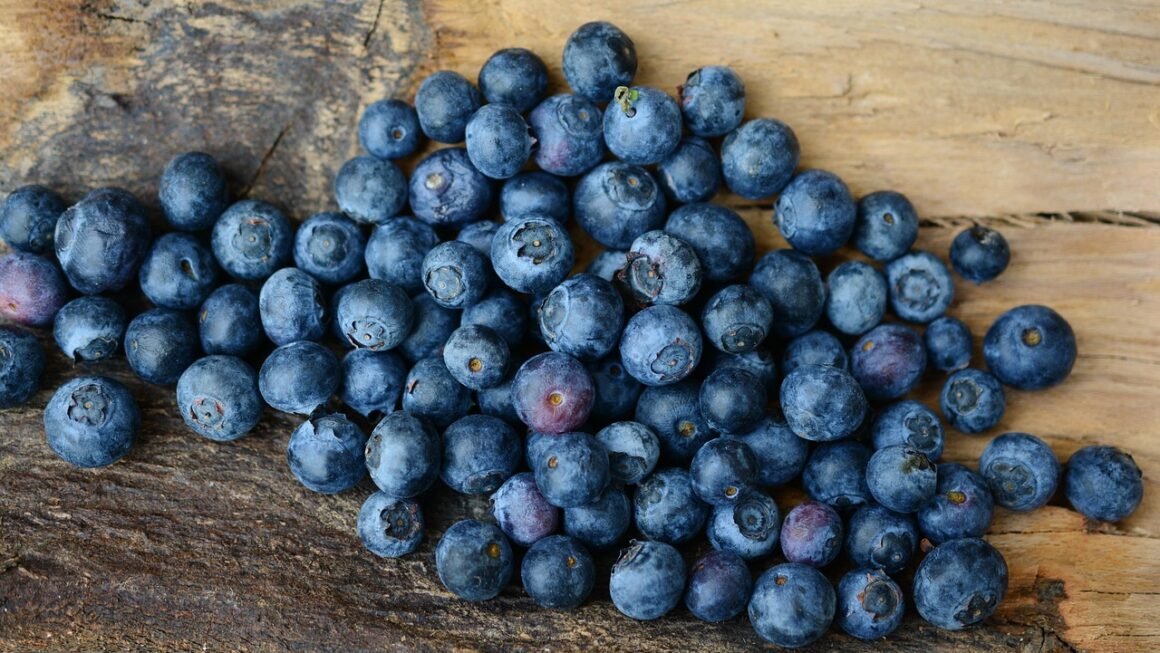
- Berries: Rich in antioxidants like anthocyanins (blueberries, strawberries, raspberries).
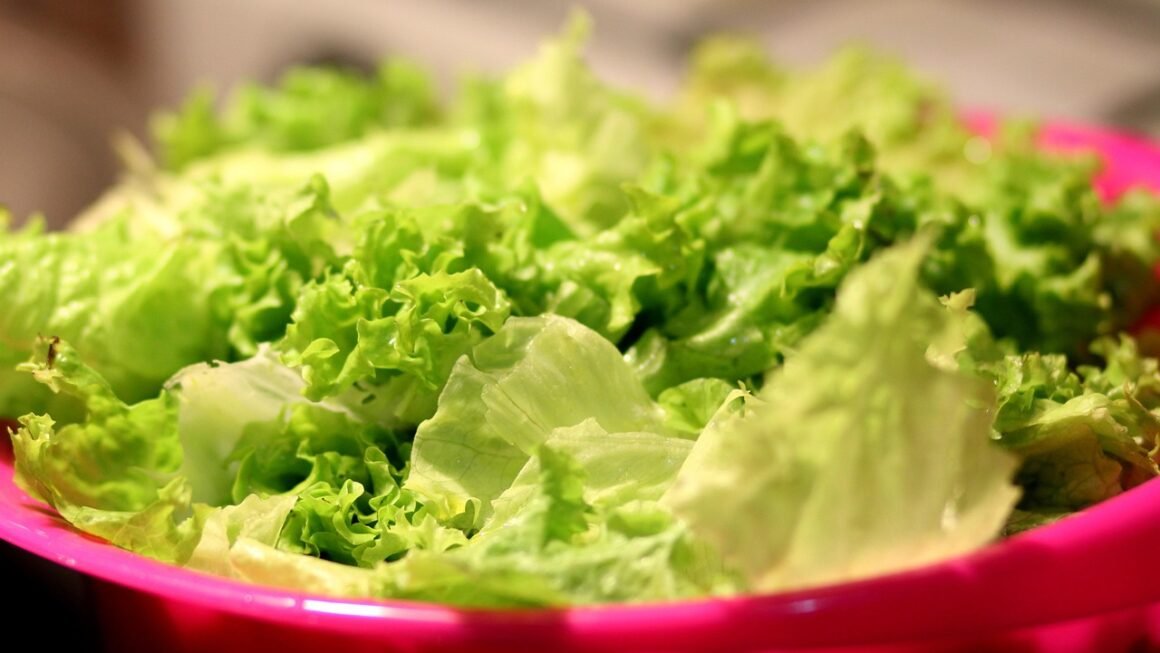
- Leafy Greens: Excellent source of vitamins and minerals (spinach, kale, collard greens).
- Cruciferous Vegetables: Contain compounds that help detoxify the body (broccoli, cauliflower, Brussels sprouts).
- Tomatoes: High in lycopene, a powerful antioxidant.
- Bell Peppers: Rich in Vitamin C and antioxidants.
Practical Tip: Add a handful of berries to your morning oatmeal or smoothie, and incorporate leafy greens into your salads or stir-fries.
Choosing Healthy Fats
Not all fats are created equal. Healthy fats, particularly omega-3 fatty acids, have powerful anti-inflammatory properties. Focus on the following:
- Fatty Fish: Salmon, mackerel, sardines, and tuna are excellent sources of omega-3s. Aim for at least two servings per week.
- Olive Oil: Extra virgin olive oil is rich in antioxidants and monounsaturated fats. Use it for cooking and salad dressings.
- Avocados: A good source of healthy fats and fiber.
- Nuts and Seeds: Almonds, walnuts, flaxseeds, and chia seeds are rich in omega-3s and other beneficial nutrients.
Practical Tip: Drizzle olive oil over your salads and vegetables, snack on a handful of almonds, or add flaxseeds to your yogurt or smoothie.
Incorporating Lean Protein
Protein is essential for tissue repair and overall health. Choose lean protein sources to minimize inflammation:
- Poultry: Chicken and turkey (skinless).
- Fish: As mentioned above, especially fatty fish.
- Legumes: Beans, lentils, and chickpeas are excellent sources of plant-based protein and fiber.
- Tofu and Tempeh: Plant-based protein sources that are low in saturated fat.
Practical Tip: Replace red meat with fish or poultry a few times a week and incorporate more legumes into your meals.
Foods to Avoid or Limit
Processed Foods
Processed foods are often high in sugar, unhealthy fats, and additives, all of which can contribute to inflammation. Limit or avoid the following:
- Fast food
- Packaged snacks (chips, cookies, crackers)
- Processed meats (bacon, sausage, hot dogs)
- Sugary drinks (soda, juice)
Refined Carbohydrates
Refined carbohydrates, such as white bread, pasta, and pastries, can spike blood sugar levels and promote inflammation. Choose whole grains instead:
- White bread and pasta
- Pastries and cakes
- Sugary cereals
Added Sugars
Added sugars, found in many processed foods and drinks, are a major contributor to inflammation. Be mindful of your sugar intake and check food labels carefully. Examples include:
- Soda and sugary drinks
- Candy and sweets
- Processed foods with added sugar
Unhealthy Fats
Certain fats, such as saturated and trans fats, can promote inflammation. Limit or avoid the following:
- Fried foods
- Processed foods with trans fats
- Red meat in excess
- High-fat dairy products
Sample Anti-Inflammatory Meal Plan
Breakfast
- Oatmeal with berries and nuts: Provides fiber, antioxidants, and healthy fats.
- Smoothie with spinach, berries, banana, and almond milk: A quick and easy way to get a dose of fruits, vegetables, and healthy fats.
- Scrambled eggs with vegetables: A protein-rich option with added nutrients from vegetables.
Lunch
- Salad with grilled chicken or fish, mixed greens, vegetables, and olive oil dressing: A light and nutritious meal with lean protein and healthy fats.
- Lentil soup with whole-grain bread: A hearty and fiber-rich option that’s also packed with protein.
- Leftovers from dinner: Planning ahead can save time and ensure you’re eating anti-inflammatory meals.
Dinner
- Baked salmon with roasted vegetables: A delicious and healthy meal with omega-3 fatty acids and antioxidants.
- Chicken stir-fry with brown rice and plenty of vegetables: A quick and easy meal that’s packed with nutrients.
- Turkey meatballs with zucchini noodles and tomato sauce: A lighter take on a classic dish.
Snacks
- A handful of nuts and seeds: Provides healthy fats and protein.
- A piece of fruit: A quick and easy way to satisfy your sweet tooth.
- Yogurt with berries: A probiotic-rich snack with antioxidants.
- Vegetables with hummus: A fiber-rich and satisfying snack.
Additional Tips for an Anti-Inflammatory Lifestyle
Stay Hydrated
Drinking plenty of water is crucial for overall health and can help reduce inflammation. Aim for at least 8 glasses of water per day.
Exercise Regularly
Regular exercise has been shown to reduce inflammation and improve overall health. Aim for at least 30 minutes of moderate-intensity exercise most days of the week.
Manage Stress
Chronic stress can contribute to inflammation. Practice stress-reducing techniques such as yoga, meditation, or deep breathing exercises.
Get Enough Sleep
Lack of sleep can increase inflammation. Aim for 7-8 hours of quality sleep per night.
Consider Supplements
Certain supplements, such as omega-3 fatty acids, turmeric, and ginger, may help reduce inflammation. Consult with your doctor before starting any new supplements.
Conclusion
An anti-inflammatory diet is a powerful tool for improving your health and reducing your risk of chronic diseases. By focusing on whole, unprocessed foods, healthy fats, and lean protein, while limiting processed foods, refined carbohydrates, and unhealthy fats, you can significantly reduce inflammation in your body. Remember to stay hydrated, exercise regularly, manage stress, and get enough sleep to maximize the benefits of an anti-inflammatory lifestyle. Start small, make gradual changes, and listen to your body. Your journey towards a healthier, less inflamed you is a marathon, not a sprint.