Tired of feeling sluggish, achy, or just plain unwell? Inflammation might be the culprit. While inflammation is a natural process that helps your body heal, chronic inflammation can wreak havoc on your health. Luckily, there’s a powerful tool at your disposal: the anti-inflammatory diet. This isn’t just another fad diet; it’s a sustainable eating plan focused on consuming foods that combat inflammation and promote overall well-being. Let’s dive into how you can adopt this life-changing approach to eating.
Understanding Inflammation and the Anti-Inflammatory Diet
What is Inflammation?
Inflammation is the body’s natural response to injury or infection. It’s a vital process for healing, but when it becomes chronic, it can contribute to a range of health problems. Chronic inflammation is linked to conditions like heart disease, arthritis, diabetes, Alzheimer’s disease, and even some cancers.
How the Anti-Inflammatory Diet Works
The anti-inflammatory diet focuses on choosing foods known to reduce inflammation and avoiding those that promote it. It’s not a strict, restrictive diet but rather a lifestyle change focused on whole, unprocessed foods. This eating pattern helps to:
- Reduce markers of inflammation in the body.
- Support a healthy immune system.
- Improve overall health and well-being.
- Potentially reduce the risk of chronic diseases.
Key Principles of the Anti-Inflammatory Diet
The core of this diet involves a few simple yet crucial concepts:
- Prioritize whole, unprocessed foods: Opt for fruits, vegetables, whole grains, lean proteins, and healthy fats.
- Embrace a variety of colorful foods: Different colored fruits and vegetables contain unique antioxidants and phytonutrients.
- Choose healthy fats: Incorporate sources like olive oil, avocados, nuts, and fatty fish.
- Limit processed foods, sugary drinks, and refined carbohydrates: These can contribute to inflammation.
Foods to Embrace: The Pillars of the Anti-Inflammatory Diet
Fruits and Vegetables: Nature’s Anti-Inflammatory Powerhouses
Fruits and vegetables are rich in antioxidants and phytonutrients, which help neutralize free radicals and reduce inflammation. Aim for a diverse range of colors to maximize your nutrient intake. Examples include:
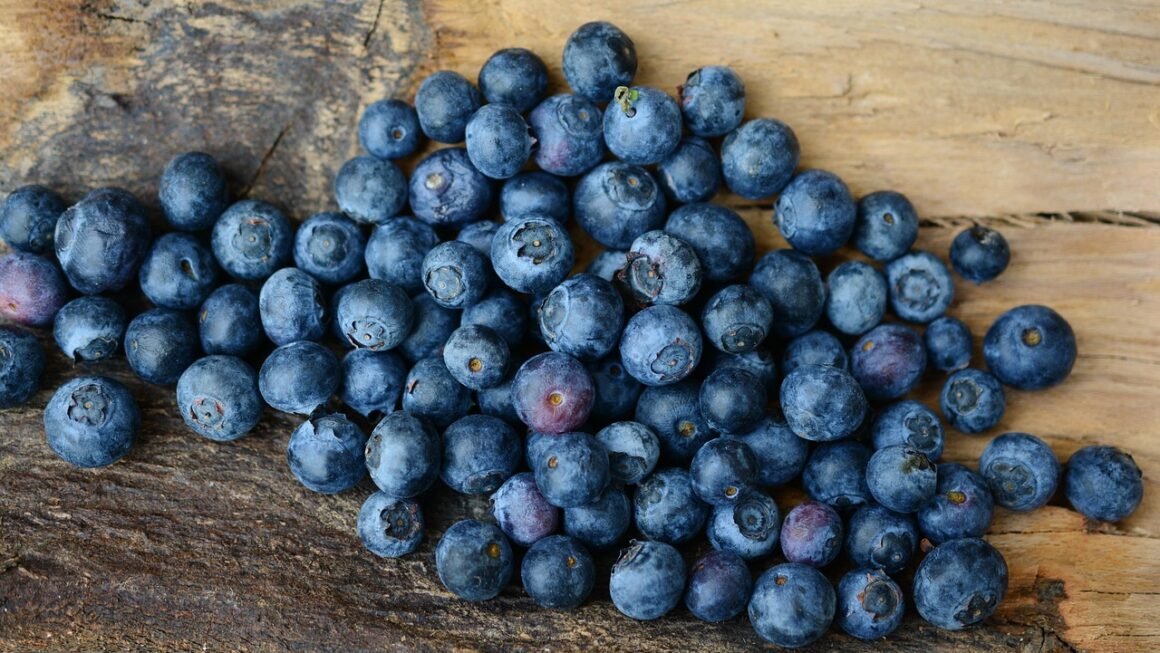
- Berries: Strawberries, blueberries, raspberries, and blackberries are packed with antioxidants. Studies have shown that eating berries regularly can significantly reduce inflammation markers.
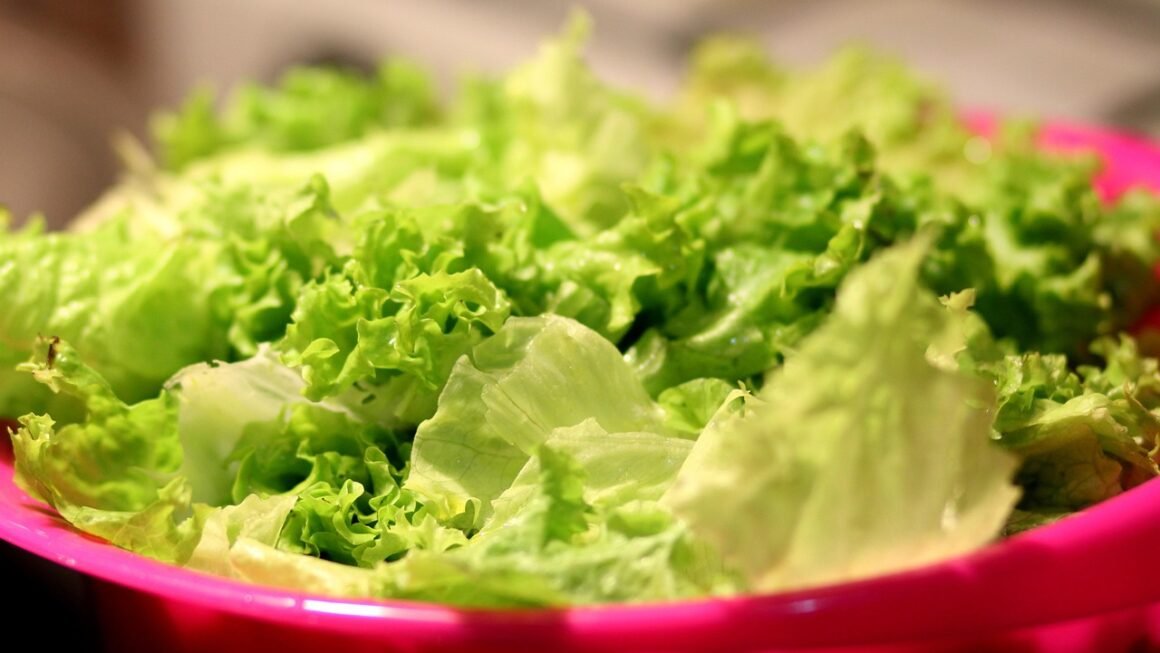
- Leafy Greens: Spinach, kale, and collard greens are excellent sources of vitamins, minerals, and antioxidants.
- Cruciferous Vegetables: Broccoli, cauliflower, and Brussels sprouts contain sulforaphane, a compound with potent anti-inflammatory effects.
- Tomatoes: Rich in lycopene, a powerful antioxidant that protects against inflammation.
- Citrus Fruits: Oranges, lemons, and grapefruits are excellent sources of vitamin C, another potent antioxidant.
Healthy Fats: Fueling Your Body the Right Way
Not all fats are created equal. The anti-inflammatory diet emphasizes healthy fats like:
- Olive Oil: Extra virgin olive oil is rich in oleocanthal, a compound with anti-inflammatory properties similar to ibuprofen. Use it for cooking, salad dressings, and drizzling over dishes.
- Avocados: Contain monounsaturated fats, which are beneficial for heart health and inflammation reduction.
- Nuts and Seeds: Almonds, walnuts, flaxseeds, and chia seeds are excellent sources of omega-3 fatty acids and antioxidants. A handful of nuts or a sprinkle of seeds on your yogurt or salad can make a big difference.
- Fatty Fish: Salmon, tuna, mackerel, and sardines are rich in omega-3 fatty acids, particularly EPA and DHA, which have powerful anti-inflammatory effects. Aim for at least two servings per week.
Lean Proteins and Anti-Inflammatory Spices
Incorporating lean protein sources and anti-inflammatory spices is crucial for overall health and reducing inflammation.
- Lean Proteins: Include sources like chicken, turkey, fish, beans, and lentils in your diet. Limit red meat, especially processed meats, as they can contribute to inflammation.
- Anti-Inflammatory Spices: Turmeric, ginger, cinnamon, and garlic are potent anti-inflammatory spices. Turmeric, in particular, contains curcumin, a compound with powerful anti-inflammatory and antioxidant properties. Add these to your meals regularly. For better absorption of curcumin, consume it with black pepper.
Foods to Limit or Avoid: Inflammation Triggers
Processed Foods and Added Sugars
Processed foods are often high in unhealthy fats, added sugars, and refined carbohydrates, all of which can contribute to inflammation. Examples include:
- Sugary Drinks: Soda, juice, and sweetened beverages are high in sugar, which can trigger inflammation.
- Processed Snacks: Chips, cookies, and crackers are often loaded with unhealthy fats and refined carbohydrates.
- Fast Food: Typically high in unhealthy fats, sodium, and processed ingredients.
- Refined Carbohydrates: White bread, pasta, and pastries are quickly digested and can lead to blood sugar spikes, promoting inflammation.
Unhealthy Fats
Certain fats can contribute to inflammation and should be limited or avoided. These include:
- Trans Fats: Found in many processed foods, such as fried foods and baked goods. They are known to increase inflammation and are best avoided altogether.
- Saturated Fats: Limit your intake of saturated fats from sources like red meat, processed meats, and full-fat dairy products.
Alcohol and Other Considerations
While moderate alcohol consumption may have some health benefits, excessive alcohol intake can contribute to inflammation. Other considerations include:
- Alcohol: Limit alcohol consumption to moderate levels (one drink per day for women, two drinks per day for men).
- Food Sensitivities: Some individuals may have sensitivities to certain foods, such as gluten or dairy, which can trigger inflammation. If you suspect a food sensitivity, consider working with a healthcare professional to identify and manage it.
Implementing the Anti-Inflammatory Diet: Practical Tips
Gradual Changes for Lasting Results
Don’t try to overhaul your diet overnight. Start by making small, gradual changes and build from there. For example:
- Start with one meal: Focus on incorporating anti-inflammatory foods into one meal per day, such as breakfast or lunch.
- Swap out unhealthy snacks: Replace processed snacks with fruits, vegetables, nuts, or seeds.
- Read food labels: Pay attention to the ingredients and nutritional information on packaged foods.
Meal Planning and Preparation
Meal planning can help you stay on track and make healthier choices. Set aside time each week to plan your meals and prepare ingredients in advance.
- Plan your meals: Create a weekly meal plan that incorporates anti-inflammatory foods.
- Prep ingredients: Wash and chop vegetables, cook grains, and portion out snacks in advance.
- Cook in batches: Cook large batches of meals or ingredients that you can use throughout the week.
Hydration and Lifestyle Factors
Don’t forget about the importance of hydration and other lifestyle factors in reducing inflammation.
- Stay hydrated: Drink plenty of water throughout the day.
- Get enough sleep: Aim for 7-8 hours of sleep per night.
- Manage stress: Practice stress-reducing activities like yoga, meditation, or spending time in nature.
- Exercise regularly: Engage in moderate-intensity exercise for at least 30 minutes most days of the week.
Conclusion
Adopting an anti-inflammatory diet is a powerful step towards improving your overall health and well-being. By prioritizing whole, unprocessed foods, embracing healthy fats and spices, and limiting inflammation triggers, you can reduce inflammation markers in your body and potentially lower your risk of chronic diseases. Remember to make gradual changes, plan your meals, and focus on other lifestyle factors like hydration, sleep, stress management, and exercise. This isn’t just a diet; it’s a sustainable and enjoyable way to nourish your body and live a healthier, more vibrant life. Start small, be consistent, and listen to your body. Your future self will thank you!