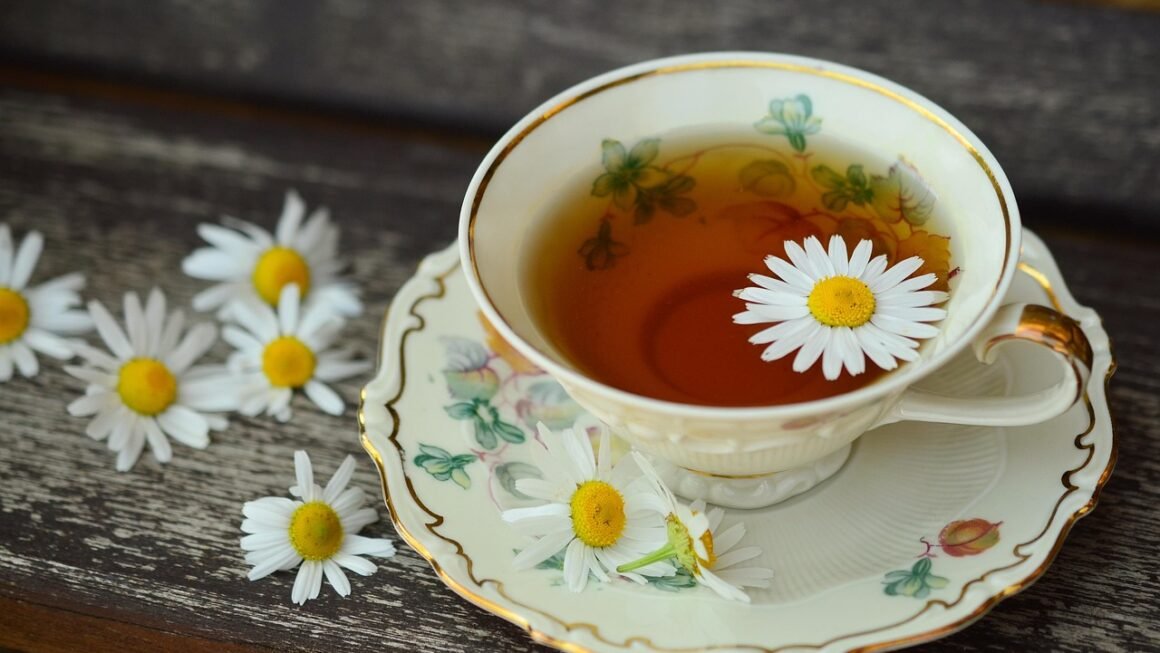
The world of herbal supplements offers a fascinating glimpse into centuries-old traditions of natural healing. From soothing teas to potent extracts, these botanical remedies are gaining popularity as people seek holistic approaches to health and wellness. But with an overwhelming array of choices, navigating this landscape can feel daunting. This guide aims to provide a comprehensive overview of herbal supplements, empowering you to make informed decisions about incorporating them into your health regimen.
Understanding Herbal Supplements
What are Herbal Supplements?
Herbal supplements, also known as botanicals, are dietary supplements derived from plants. These supplements can include herbs, roots, flowers, seeds, and berries, used for their perceived therapeutic benefits. They are available in various forms, including:
- Capsules
- Tablets
- Powders
- Teas
- Extracts
- Tinctures
It’s crucial to understand that herbal supplements are regulated as food products by the FDA in the US, not as drugs. This means they don’t undergo the same rigorous testing and approval process as pharmaceutical medications.
Historical Significance and Modern Use
Historically, herbs were the primary form of medicine. Ancient civilizations, from the Egyptians to the Chinese, documented the use of plants for healing purposes. Today, while modern medicine dominates healthcare, herbal supplements maintain a strong presence, with many people seeking natural alternatives or complementary treatments. According to the National Institutes of Health (NIH), approximately 17.7% of U.S. adults used herbal supplements in 2012.
Key Considerations Before Use
Before diving into herbal supplements, it’s essential to:
- Consult with a healthcare professional: Discuss any potential interactions with medications you’re currently taking, as well as any underlying health conditions.
- Research the supplement: Look for reputable brands and read reviews to understand the potential benefits and risks.
- Start with a low dose: Gradually increase the dosage as directed and monitor your body’s response.
- Be aware of potential side effects: Allergic reactions and other adverse effects are possible. Discontinue use if you experience any negative symptoms.
Popular Herbal Supplements and Their Benefits
Echinacea
Echinacea is a popular herb often used to support the immune system, especially during cold and flu season.
- Benefits: May shorten the duration and severity of colds, and could stimulate the immune system.
- Forms: Available in capsules, tablets, tinctures, and teas.
- Caution: Can cause allergic reactions in some individuals, especially those with allergies to ragweed, chrysanthemums, marigolds, or daisies.
Turmeric (Curcumin)
Turmeric, a spice derived from the Curcuma longa plant, contains curcumin, a compound with potent anti-inflammatory and antioxidant properties.
- Benefits: May help reduce inflammation, relieve joint pain, and improve cognitive function.
- Forms: Available in capsules, powders, and as a spice to add to food. Look for supplements containing piperine (black pepper extract) to enhance absorption.
- Caution: High doses may cause gastrointestinal discomfort.
St. John’s Wort
St. John’s Wort is a well-known herbal remedy often used to address symptoms of mild to moderate depression.
- Benefits: May help improve mood and reduce symptoms of depression.
- Forms: Available in capsules, tablets, and teas.
- Caution: St. John’s Wort can interact with many medications, including antidepressants, birth control pills, and blood thinners. Consult with your doctor before use, especially if you are already taking medication.
Ginkgo Biloba
Ginkgo Biloba, derived from the Ginkgo tree, is believed to improve cognitive function and circulation.
- Benefits: May enhance memory, improve blood flow, and reduce symptoms of tinnitus (ringing in the ears).
- Forms: Available in capsules, tablets, and extracts.
- Caution: May interact with blood thinners and increase the risk of bleeding.
Ginseng
Ginseng is a popular adaptogen, meaning it helps the body adapt to stress.
- Benefits: May increase energy levels, improve cognitive function, and boost the immune system.
- Forms: Available in capsules, tablets, powders, and teas.
- Types: Asian ginseng (Panax ginseng) is known for its stimulating effects, while American ginseng (Panax quinquefolius) is considered more calming.
- Caution: May cause insomnia or anxiety in some individuals.
Choosing Quality Herbal Supplements
Importance of Third-Party Testing
Due to the limited regulation of herbal supplements, it’s crucial to choose products that have undergone third-party testing. These tests verify the identity, purity, and potency of the ingredients. Look for certifications from organizations like:
- NSF International: Tests supplements for contaminants and verifies ingredient claims.
- United States Pharmacopeia (USP): Sets standards for supplement quality and purity.
- ConsumerLab.com: Independently tests supplements and publishes results.
Reading Labels and Understanding Ingredients
Carefully read the product label to understand the ingredients, dosage, and any potential warnings. Pay attention to:
- Standardized extracts: These extracts contain a consistent level of active compounds.
- Organic certification: Indicates that the herbs were grown without the use of synthetic pesticides or fertilizers.
- Expiration date: Ensure the product is still within its shelf life.
- Full ingredient list: Be aware of any fillers, additives, or allergens.
Reputable Brands and Sourcing
Choose brands that have a good reputation and are transparent about their sourcing practices. Look for companies that:
- Use sustainable harvesting methods: Protecting the environment and ensuring the long-term availability of herbs.
- Have rigorous quality control processes: Ensuring the purity and potency of their products.
- Provide clear information about their products: Including scientific research and customer reviews.
Potential Risks and Side Effects
Drug Interactions
Herbal supplements can interact with various medications, potentially altering their effectiveness or increasing the risk of side effects. Common interactions include:
- Blood thinners: Herbs like Ginkgo Biloba and garlic can increase the risk of bleeding when taken with blood thinners like warfarin.
- Antidepressants: St. John’s Wort can interact with SSRIs and other antidepressants, potentially leading to serotonin syndrome.
- Birth control pills: St. John’s Wort can reduce the effectiveness of hormonal contraceptives.
- Heart medications: Some herbs can interact with heart medications, affecting blood pressure or heart rate.
Allergic Reactions
Allergic reactions to herbal supplements are possible, especially in individuals with sensitivities to certain plants. Symptoms may include:
- Skin rash or hives
- Itching
- Swelling
- Difficulty breathing
If you experience any signs of an allergic reaction, discontinue use and seek medical attention immediately.
Other Potential Side Effects
Other potential side effects vary depending on the specific herb and individual sensitivities. Common side effects include:
- Gastrointestinal upset: Nausea, vomiting, diarrhea, or constipation.
- Headaches
- Dizziness
- Insomnia
- Photosensitivity: Increased sensitivity to sunlight.
It’s essential to start with a low dose and monitor your body’s response to any new herbal supplement.
Integrating Herbal Supplements into Your Wellness Routine
Complementary Approach
Herbal supplements are best viewed as a complementary approach to healthcare, not a replacement for conventional medical treatment. They can be used in conjunction with other therapies to support overall well-being.
Personalized Approach
The effectiveness of herbal supplements can vary depending on individual factors such as genetics, lifestyle, and health conditions. What works for one person may not work for another. Therefore, it’s essential to adopt a personalized approach and work with a healthcare professional to determine the most appropriate supplements for your specific needs.
Lifestyle Integration
Integrating herbal supplements into your daily routine can be as simple as:
- Drinking herbal teas: Chamomile tea for relaxation, ginger tea for digestion, or echinacea tea for immune support.
- Adding herbs to meals: Turmeric to curries, basil to pasta, or rosemary to roasted vegetables.
- Taking supplements with meals: This can improve absorption and reduce the risk of gastrointestinal upset.
Remember to be patient and consistent with your herbal supplement routine. It may take several weeks or months to experience the full benefits.
Conclusion
Herbal supplements offer a wealth of potential benefits for supporting overall health and wellness. However, it’s crucial to approach them with caution, conducting thorough research, and consulting with a healthcare professional. By understanding the potential risks and benefits, choosing quality products, and integrating them mindfully into your routine, you can harness the power of herbs to enhance your well-being. Remember, knowledge is key to making informed choices and ensuring a safe and effective experience with herbal supplements.