Gaining weight can be just as challenging as losing it for many people. Whether you’re looking to build muscle mass, recover from an illness, or simply increase your overall body weight, a strategic diet plan is essential. This comprehensive guide will provide you with the knowledge and tools you need to develop an effective diet for weight gain. We’ll delve into the key principles, food choices, and meal planning strategies that will help you achieve your weight gain goals safely and sustainably.
Understanding Healthy Weight Gain
Why is a Healthy Approach Important?
Gaining weight doesn’t mean eating anything and everything in sight. A healthy approach is crucial for:
- Avoiding unhealthy fat gain: Focus on building muscle rather than just adding fat.
- Maintaining overall health: Prioritize nutrient-dense foods to support your body’s functions.
- Sustainable results: Developing healthy habits for long-term weight management.
- Preventing health issues: Avoid excessive intake of unhealthy fats, sugars, and processed foods that can lead to health problems.
Calculating Your Caloric Surplus
To gain weight, you need to consume more calories than you burn. This is called a caloric surplus.
- Determine your Basal Metabolic Rate (BMR): This is the number of calories your body needs at rest. You can use online calculators or consult a professional.
- Calculate your Total Daily Energy Expenditure (TDEE): This accounts for your activity level and multiplies your BMR by an activity factor.
- Create a Caloric Surplus: Aim for a surplus of 250-500 calories per day. This will promote a healthy and gradual weight gain of approximately 0.5-1 pound per week. For example, if your TDEE is 2500 calories, aim for 2750-3000 calories daily.
Macronutrient Distribution for Weight Gain
Macronutrients – protein, carbohydrates, and fats – are essential for weight gain. Focusing on the right ratios will optimize muscle growth and overall health.
- Protein: Crucial for muscle repair and growth. Aim for 1.6-2.2 grams of protein per kilogram of body weight per day. For example, a 70kg (154 lbs) person should consume 112-154 grams of protein daily.
- Carbohydrates: Provide energy for workouts and daily activities. Aim for 4-5 grams of carbohydrates per kilogram of body weight per day.
- Fats: Important for hormone production and overall health. Aim for 0.8-1 gram of fat per kilogram of body weight per day.
The Best Foods for Weight Gain
Protein-Rich Foods
Protein is the cornerstone of muscle growth and repair.
- Lean Meats: Chicken breast, turkey, lean beef, and pork offer high-quality protein.
- Fish: Salmon, tuna, and other fatty fish are excellent sources of protein and omega-3 fatty acids.
- Eggs: A complete protein source that’s versatile and affordable.
- Dairy Products: Milk, yogurt, and cheese provide protein and calcium. Greek yogurt is a particularly good option due to its high protein content.
- Legumes: Beans, lentils, and chickpeas are plant-based sources of protein and fiber.
- Protein Powders: Whey, casein, and soy protein powders can supplement your protein intake, especially after workouts.
Carbohydrate-Rich Foods
Carbohydrates provide the energy you need for intense workouts and overall activity.
- Whole Grains: Brown rice, quinoa, oats, and whole-wheat bread offer sustained energy and fiber.
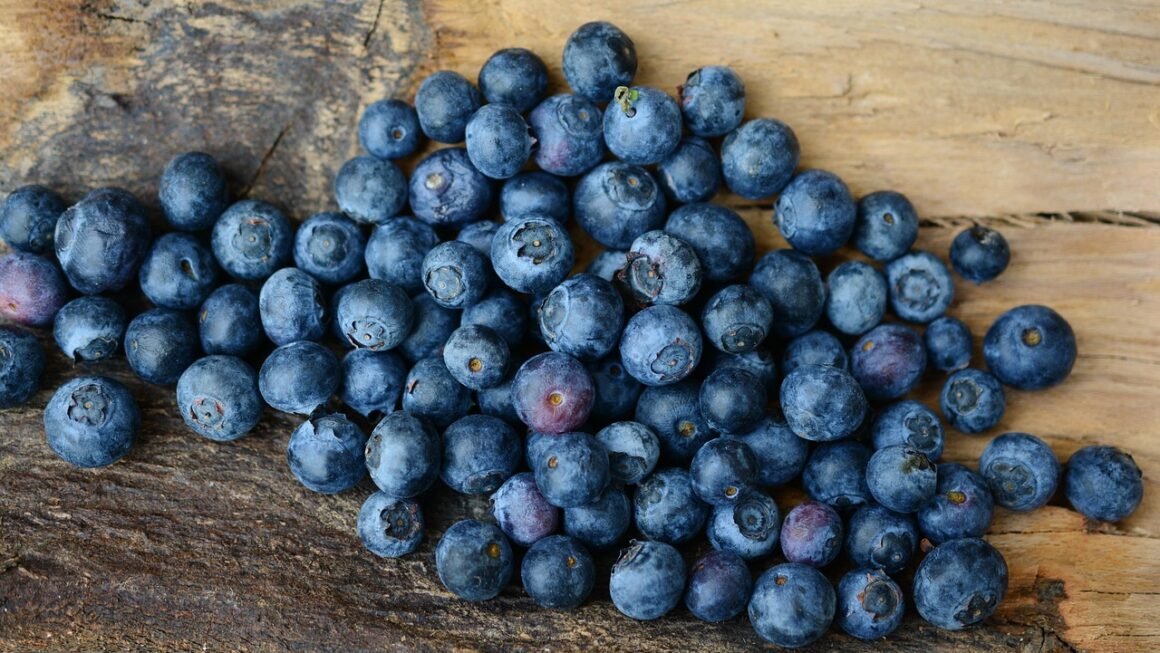
- Fruits: Bananas, apples, berries, and other fruits provide vitamins, minerals, and natural sugars.
- Vegetables: Potatoes, sweet potatoes, corn, and peas are starchy vegetables that contribute to your carbohydrate intake.
- Pasta: Whole-wheat pasta is a good source of complex carbohydrates.
Healthy Fats
Healthy fats are essential for hormone production and overall health.
- Avocados: Rich in monounsaturated fats and nutrients.
- Nuts and Seeds: Almonds, walnuts, chia seeds, and flaxseeds provide healthy fats, protein, and fiber.
- Olive Oil: A healthy cooking oil and salad dressing.
- Full-Fat Dairy: While some prefer lean options, full-fat dairy products can contribute to your fat intake.
Sample Meal Plan for Weight Gain
Example Daily Calorie Distribution
This meal plan provides approximately 3000 calories with a macronutrient breakdown of roughly 40% carbohydrates, 30% protein, and 30% fats. Remember to adjust portion sizes based on your individual needs.
- Breakfast (700 calories): Oatmeal with berries, nuts, and protein powder, plus a glass of whole milk.
- Mid-Morning Snack (300 calories): Greek yogurt with granola and a handful of almonds.
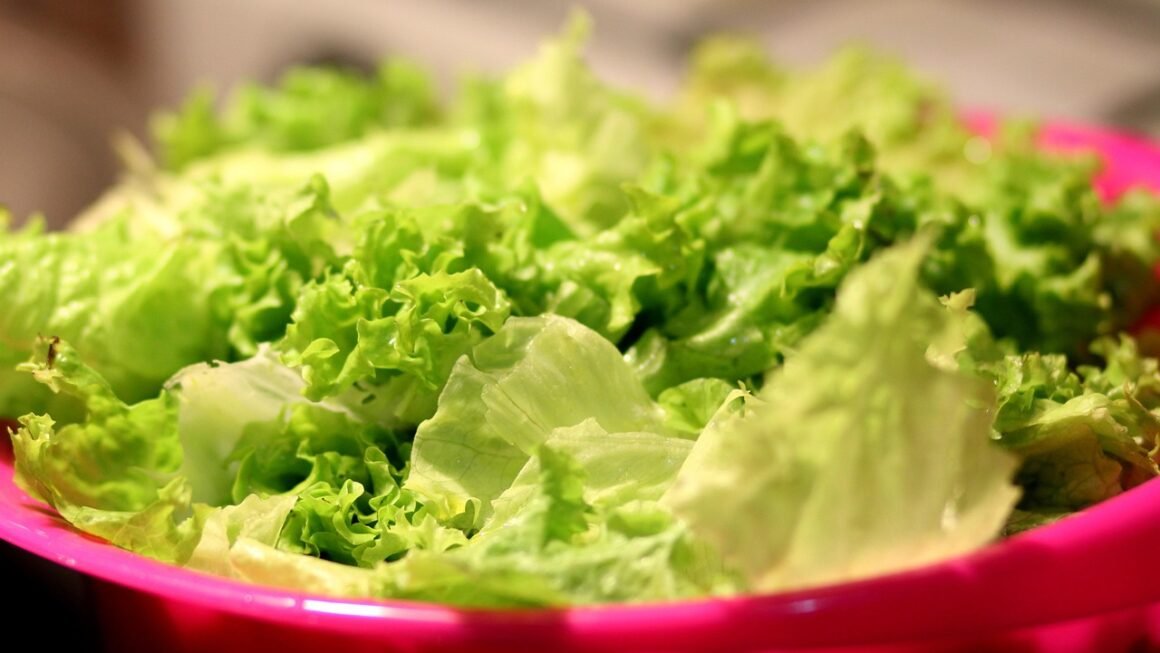
- Lunch (800 calories): Grilled chicken salad with mixed greens, avocado, and a whole-wheat roll.
- Pre-Workout Snack (200 calories): Banana with peanut butter.
- Post-Workout Meal (500 calories): Protein shake with milk and a banana.
- Dinner (800 calories): Salmon with roasted sweet potatoes and steamed broccoli.
Tips for Meal Planning
- Prepare meals in advance: This helps you stay on track with your calorie goals.
- Track your calorie intake: Use a food diary or app to monitor your progress.
- Be flexible: Don’t be afraid to adjust your meal plan based on your preferences and needs.
- Don’t skip meals: Aim for 5-6 smaller meals throughout the day to keep your metabolism active and prevent feeling overly full.
Weight Gain Supplements
When to Consider Supplements
While a well-planned diet should be your primary focus, supplements can provide additional support.
- Protein Powders: Convenient for increasing your protein intake, especially post-workout.
- Creatine: Can enhance muscle strength and growth.
- Weight Gainers: High-calorie supplements that contain protein, carbohydrates, and fats. Use these judiciously, as they can contribute to unwanted fat gain if not used in conjunction with a structured workout and diet plan.
Important Considerations
- Consult with a healthcare professional or registered dietitian before starting any new supplement regimen.
- Choose reputable brands and read labels carefully.
- Supplements should complement a healthy diet, not replace it.
Exercise for Muscle Gain
The Importance of Resistance Training
Weight gain should ideally involve building muscle mass rather than just adding fat. Resistance training is essential for achieving this goal.
- Strength Training: Focus on compound exercises like squats, deadlifts, bench presses, and overhead presses.
- Progressive Overload: Gradually increase the weight, reps, or sets as you get stronger.
- Proper Form: Prioritize correct technique to prevent injuries.
Example Workout Schedule
- Monday: Chest and Triceps
- Tuesday: Back and Biceps
- Wednesday: Rest
- Thursday: Legs and Shoulders
- Friday: Rest
- Saturday: Full Body (Light)
- Sunday: Rest
Combining Diet and Exercise
- Time your meals: Consume a protein-rich meal or shake shortly after your workouts to aid in muscle recovery.
- Stay hydrated: Drink plenty of water throughout the day, especially during and after exercise.
- Get enough sleep: Aim for 7-9 hours of sleep per night to support muscle growth and recovery.
Conclusion
Gaining weight effectively requires a strategic approach that combines a calorie-rich, nutrient-dense diet with consistent resistance training. By understanding your caloric needs, prioritizing protein, carbohydrates, and healthy fats, and supplementing with exercise, you can achieve your weight gain goals in a healthy and sustainable way. Remember to track your progress, adjust your plan as needed, and consult with healthcare professionals for personalized guidance. With dedication and consistency, you can successfully build muscle and achieve your desired physique.