Gaining weight, especially in a healthy and sustainable way, requires a strategic approach centered around diet and lifestyle. It’s not simply about eating more; it’s about fueling your body with the right nutrients to support muscle growth and overall health. Whether you’re an athlete aiming to bulk up, recovering from an illness, or simply looking to add some healthy pounds, this comprehensive guide will provide you with the knowledge and tools to create a weight gain diet that works for you.
Understanding Healthy Weight Gain
Calories In, Calories Out (But It’s More Than That)
While the principle of “calories in must be greater than calories out” is fundamental for weight gain, the quality of those calories matters immensely. Simply consuming junk food to increase calorie intake can lead to unhealthy fat gain and potential health complications. A healthy weight gain diet focuses on nutrient-dense foods that support muscle growth and overall well-being.
- Calorie Surplus: Aim for a daily surplus of 250-500 calories. This allows for gradual and sustainable weight gain, minimizing the risk of excessive fat accumulation.
- Tracking Your Intake: Use a food diary or a calorie-tracking app to monitor your calorie consumption. This helps you stay on track and make necessary adjustments to your diet.
- Focus on Whole Foods: Prioritize whole, unprocessed foods over processed options. These foods are packed with essential nutrients, vitamins, and minerals.
Body Composition Matters
The goal is often to gain muscle mass rather than just overall weight. This is achieved by combining a calorie-surplus diet with resistance training. Building muscle not only improves your physique but also boosts your metabolism, making it easier to maintain a healthy weight in the long run.
- Resistance Training: Engage in regular weightlifting or resistance training exercises at least 2-3 times per week.
- Prioritize Protein: Protein is the building block of muscle tissue. Ensure you’re consuming enough protein to support muscle growth (more on this later).
- Healthy Fats are Essential: Don’t shy away from healthy fats. They play a vital role in hormone production and nutrient absorption.
Key Nutrients for Weight Gain
Protein: The Muscle Builder
Protein is paramount for muscle growth and repair. Aim for a protein intake of 1.2-1.7 grams per kilogram of body weight per day, especially if you are actively engaged in resistance training.
- Good Protein Sources:
Lean meats (chicken, turkey, beef)
Fish (salmon, tuna, cod)
Eggs
Dairy products (milk, yogurt, cheese)
Legumes (beans, lentils)
Nuts and seeds
Protein powder (whey, casein, soy, pea)
- Example: A person weighing 70kg should aim for approximately 84-119 grams of protein per day.
- Practical Tip: Incorporate a protein source into every meal and snack to maintain a steady supply of amino acids for muscle growth.
Carbohydrates: Fueling Your Workouts
Carbohydrates provide energy for your workouts and help replenish glycogen stores, which are essential for muscle recovery. Opt for complex carbohydrates over simple sugars.
- Good Carbohydrate Sources:
Whole grains (brown rice, quinoa, oats)
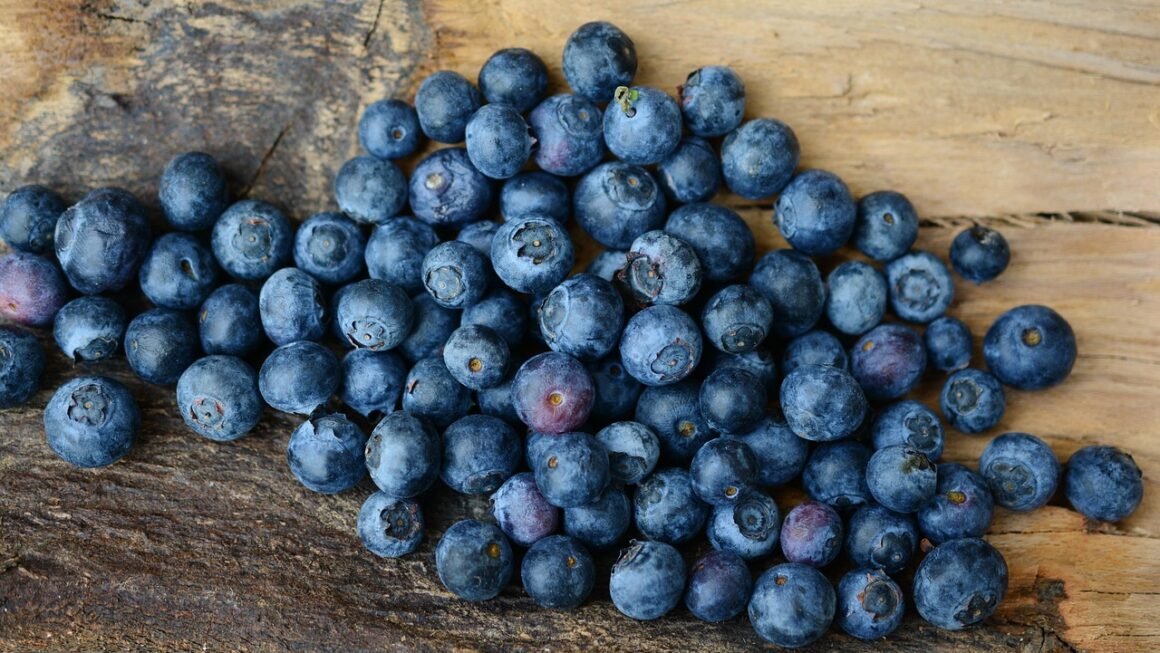
Fruits (bananas, berries, apples)
Vegetables (sweet potatoes, potatoes, corn)
Legumes (beans, lentils)
- Timing is Key: Consume carbohydrates before and after your workouts to maximize energy levels and promote muscle recovery.
- Avoid Empty Calories: Limit your intake of sugary drinks, processed snacks, and refined grains, as they provide little nutritional value and can lead to unhealthy weight gain.
Healthy Fats: Essential for Hormones and Nutrient Absorption
Healthy fats are crucial for hormone production, nutrient absorption, and overall health. Don’t be afraid to include them in your diet!
- Good Fat Sources:
Avocados
Nuts and seeds (almonds, walnuts, chia seeds, flax seeds)
Olive oil
Fatty fish (salmon, tuna, mackerel)
Nut butters
- Moderation is Important: While healthy fats are beneficial, they are also calorie-dense. Consume them in moderation to avoid excessive calorie intake.
- Example: Add a tablespoon of olive oil to your salad, snack on a handful of almonds, or spread avocado on your toast.
Sample Meal Plan for Weight Gain
This is a sample meal plan and may need to be adjusted based on your individual calorie needs and preferences.
Breakfast (Around 500-600 Calories)
- Oatmeal (1 cup) with 1 scoop of protein powder, 1/4 cup of berries, and 1 tablespoon of almond butter.
- 3-egg omelet with vegetables and cheese, served with a slice of whole-wheat toast.
Mid-Morning Snack (Around 300-400 Calories)
- Greek yogurt (1 cup) with granola and fruit.
- Protein shake made with milk, protein powder, banana, and peanut butter.
Lunch (Around 600-700 Calories)
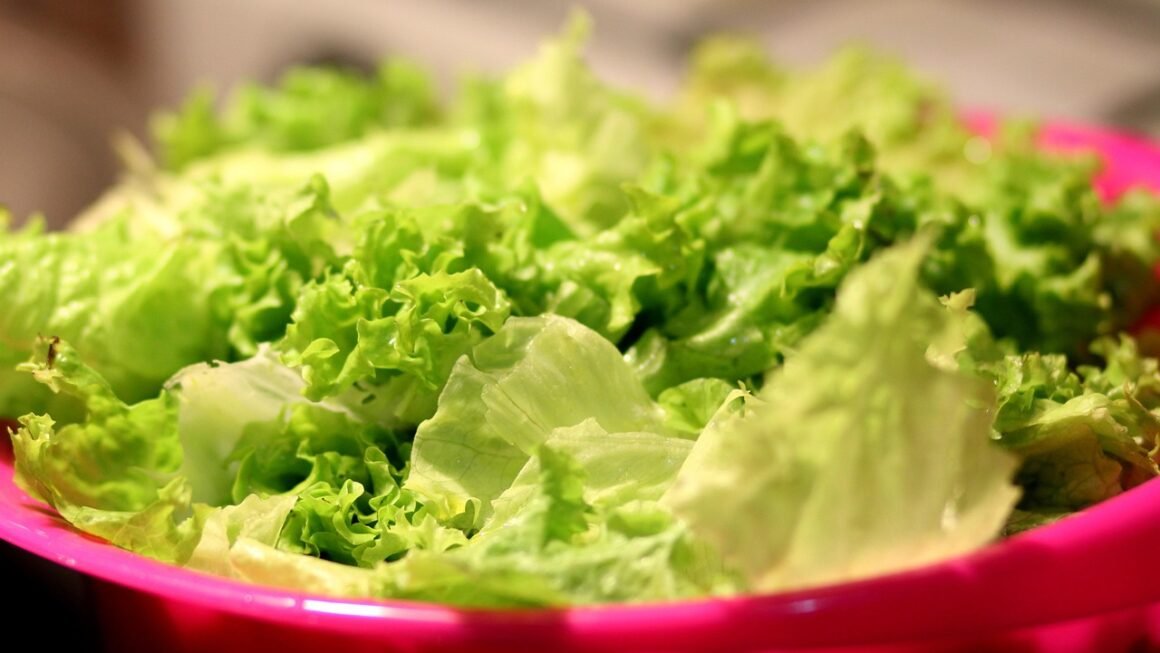
- Grilled chicken salad with mixed greens, vegetables, avocado, and a healthy dressing.
- Turkey sandwich on whole-wheat bread with avocado, lettuce, tomato, and a side of fruit.
Mid-Afternoon Snack (Around 300-400 Calories)
- Trail mix with nuts, seeds, and dried fruit.
- Hard-boiled eggs with a handful of almonds.
Dinner (Around 700-800 Calories)
- Baked salmon with roasted sweet potatoes and steamed broccoli.
- Lean beef stir-fry with brown rice and mixed vegetables.
Evening Snack (Around 200-300 Calories)
- Casein protein shake.
- Cottage cheese with fruit.
Practical Tips for Successful Weight Gain
Eat Frequently
Eating smaller, more frequent meals throughout the day can help you consume more calories without feeling overly full. Aim for 5-6 meals and snacks per day.
- Don’t Skip Meals: Skipping meals can hinder your progress. Make sure to eat regularly to maintain a consistent calorie intake.
- Prepare Your Meals in Advance: Preparing your meals ahead of time can make it easier to stay on track and avoid making unhealthy choices.
Drink Enough Water
Staying hydrated is essential for overall health and performance. Drink plenty of water throughout the day, especially before, during, and after your workouts.
- Hydration Aids Digestion: Water helps your body process the increased food intake and nutrients.
Be Patient and Consistent
Weight gain is a gradual process. Don’t get discouraged if you don’t see results immediately. Consistency is key. Stick to your diet and training plan, and you will eventually reach your goals.
- Track Your Progress: Monitor your weight, body measurements, and strength levels to track your progress and make necessary adjustments to your plan.
- Listen to Your Body: Pay attention to your body’s signals and adjust your diet and training plan accordingly.
Conclusion
Gaining weight healthily is achievable with a well-planned diet and consistent effort. Focus on consuming nutrient-dense foods, prioritizing protein, carbohydrates, and healthy fats. Remember to combine your dietary efforts with a solid resistance training program to build muscle mass and achieve your desired physique. Be patient, stay consistent, and enjoy the journey!