Nourishing a child’s body is an investment in their future. Providing the right nutrition during childhood is crucial for optimal growth, development, and long-term health. From supporting strong bones to boosting cognitive function, the foods children consume play a vital role in shaping their overall well-being. This blog post delves into the key aspects of child nutrition, offering practical guidance and actionable tips to ensure your child thrives.
The Importance of a Balanced Diet for Children
A balanced diet is the cornerstone of good health for children. It ensures they receive the essential nutrients needed for growth, development, and maintaining a healthy immune system.
Macronutrients: Fueling Growth and Energy
Macronutrients are the building blocks of a child’s diet, providing energy and supporting vital bodily functions.
- Carbohydrates: The primary source of energy. Opt for complex carbohydrates like whole grains, fruits, and vegetables over refined sugars.
Example: Instead of sugary cereals, offer oatmeal with berries and nuts for breakfast.
- Proteins: Essential for building and repairing tissues. Good sources include lean meats, poultry, fish, beans, lentils, and dairy products.
Example: Include Greek yogurt or a hard-boiled egg as a protein-rich snack.
- Fats: Crucial for brain development and hormone production. Choose healthy fats like avocados, nuts, seeds, and olive oil.
Example: Spread avocado on whole-wheat toast or add a handful of almonds to your child’s lunchbox.
Micronutrients: Vitamins and Minerals for Optimal Health
Micronutrients, though needed in smaller quantities, are vital for various bodily functions.
- Vitamin D: Essential for calcium absorption and bone health. Sunlight exposure and fortified foods are key sources.
Example: Encourage outdoor playtime and consider a Vitamin D supplement if recommended by your pediatrician.
- Calcium: Important for strong bones and teeth. Dairy products, leafy green vegetables, and fortified plant-based milks are excellent sources.
Example: Serve cheese sticks or offer a glass of fortified almond milk with meals.
- Iron: Crucial for red blood cell production and preventing anemia. Lean meats, beans, and fortified cereals are good sources.
Example: Pair iron-rich foods with Vitamin C (e.g., bell peppers with beef) to enhance absorption.
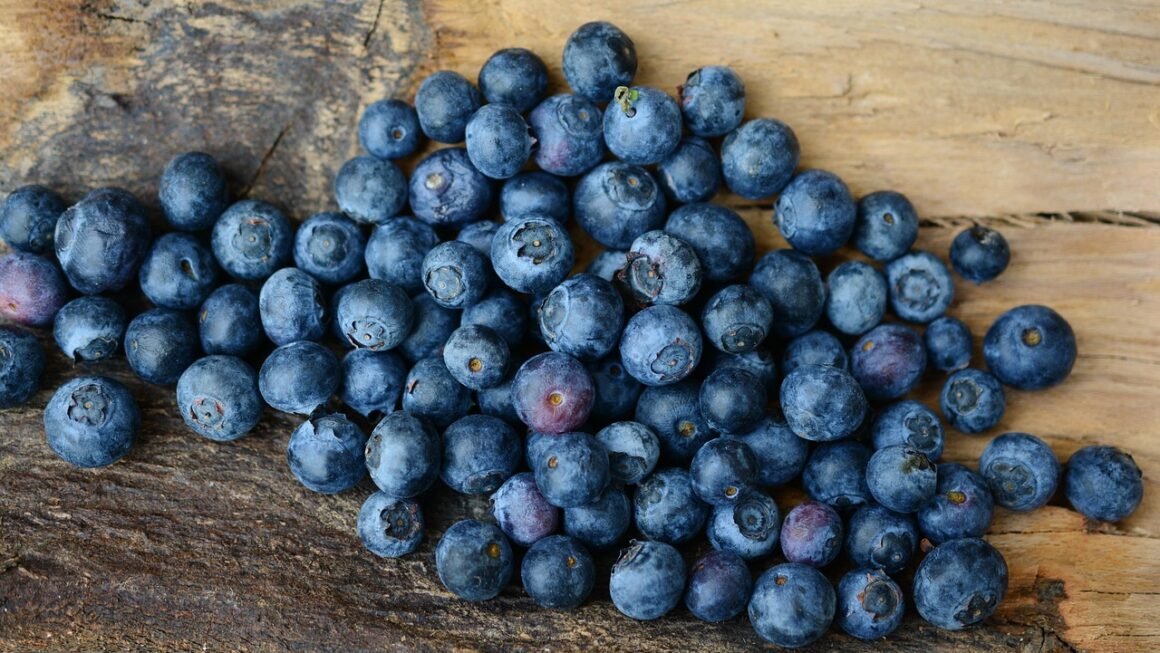
- Vitamin C: Supports immune function and wound healing. Found abundantly in fruits and vegetables, especially citrus fruits and berries.
* Example: Offer orange slices or a handful of strawberries as a snack.
Creating Healthy Eating Habits
Instilling healthy eating habits early in life is crucial for a lifetime of well-being.
Leading by Example
Children often mimic the behavior of their parents and caregivers. By demonstrating healthy eating habits, you can positively influence your child’s choices.
- Actionable Tip: Eat meals together as a family and model healthy food choices.
- Example: Choose fruits and vegetables as snacks instead of processed foods.
Making Healthy Food Fun and Appealing
Presentation matters! Making healthy food visually appealing can encourage children to try new things.
- Actionable Tip: Use cookie cutters to create fun shapes with fruits and vegetables.
- Example: Arrange vegetables on a plate to resemble a face or create a colorful fruit skewer.
Involving Children in Meal Preparation
Involving children in the cooking process can increase their interest in trying new foods.
- Actionable Tip: Let your child help wash vegetables, stir ingredients, or set the table.
- Example: Ask your child to help make a simple salad or assemble a healthy sandwich.
Addressing Common Nutritional Challenges
Navigating the world of child nutrition can present certain challenges.
Picky Eating
Picky eating is a common phase for many children. Patience and persistence are key.
- Actionable Tip: Offer a variety of foods, even if your child initially refuses them. Don’t pressure them to eat everything on their plate.
- Example: Introduce a new vegetable each week and offer it alongside familiar favorites.
Sugar Consumption
Excessive sugar intake can lead to weight gain, dental problems, and other health issues.
- Actionable Tip: Limit sugary drinks, processed snacks, and desserts. Opt for natural sweeteners like fruit when possible.
- Example: Offer water or unsweetened milk instead of juice or soda.
Allergies and Intolerances
Food allergies and intolerances are increasingly common in children.
- Actionable Tip: Consult with a pediatrician or allergist to identify and manage any allergies or intolerances.
- Example: Carefully read food labels and avoid cross-contamination when preparing meals.
Hydration: The Importance of Drinking Water
Water is essential for overall health and plays a crucial role in various bodily functions.
Encouraging Water Consumption
- Actionable Tip: Make water readily available throughout the day. Carry a reusable water bottle and offer water with meals and snacks.
- Example: Infuse water with fruits like lemon, cucumber, or berries to add flavor.
Recognizing Signs of Dehydration
- Symptoms: Dry mouth, decreased urination, and fatigue.
- Actionable Tip: Encourage your child to drink more fluids, especially during physical activity or hot weather.
Conclusion
Prioritizing child nutrition is one of the best investments you can make in your child’s future. By focusing on a balanced diet, fostering healthy eating habits, and addressing common challenges, you can help your child thrive and develop a lifelong appreciation for nutritious foods. Remember, small changes can make a big difference in their overall health and well-being.