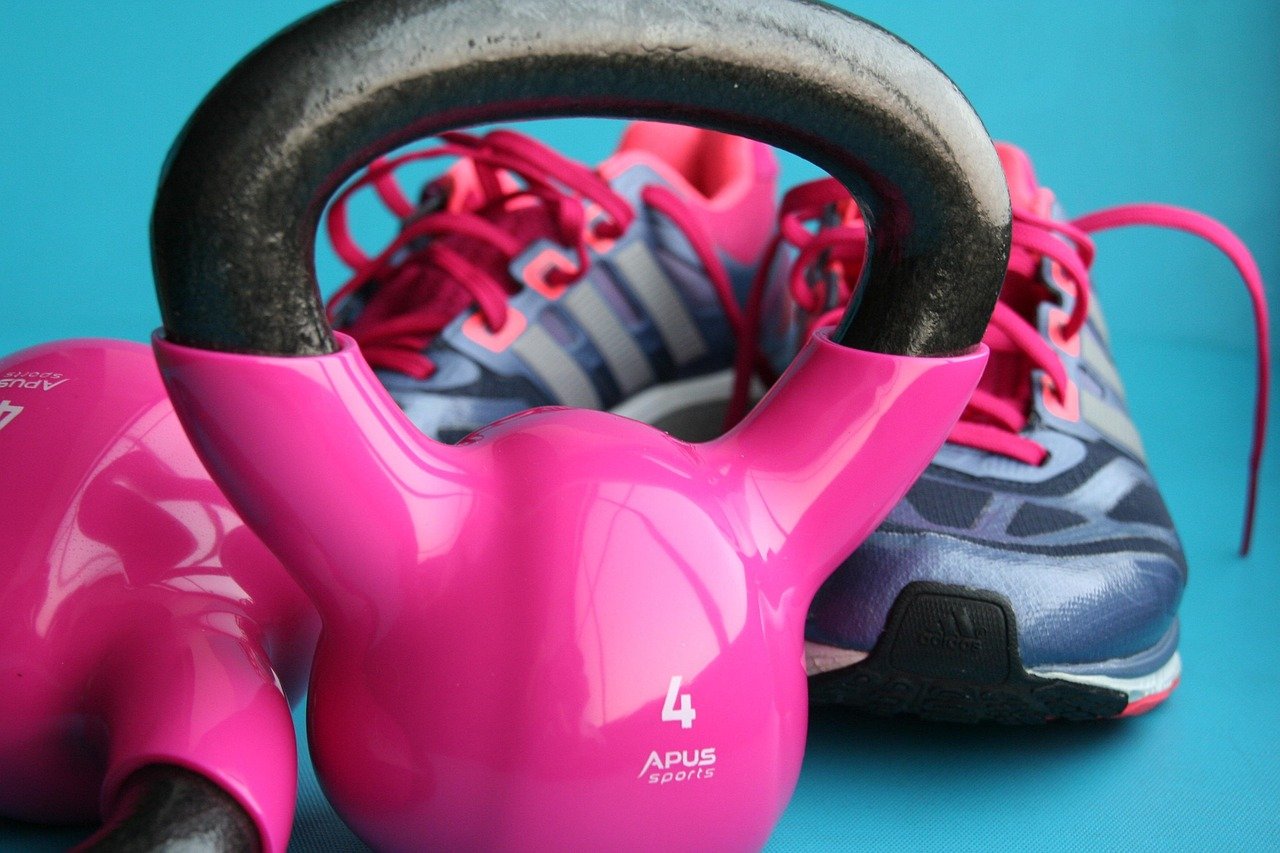
The pursuit of optimal health and well-being is a journey, not a destination. Two key pillars supporting this journey are diet and exercise. While often discussed separately, their combined impact is far greater than the sum of their parts. This comprehensive guide delves into the synergistic relationship between diet and exercise, offering practical tips and insights to help you achieve your health goals.
The Power of Combined Diet and Exercise
Understanding the Synergy
Diet and exercise are inextricably linked. Think of your body as a high-performance machine. Without the right fuel (diet), it can’t perform at its best, no matter how much you push it (exercise). Conversely, a fantastic diet won’t reach its full potential if you’re sedentary. Their combined power offers:
- Weight Management: Exercise burns calories, while a healthy diet controls calorie intake. This combination is crucial for achieving and maintaining a healthy weight. Studies show that people who combine diet and exercise are more likely to lose weight and keep it off long-term.
- Improved Cardiovascular Health: Regular exercise strengthens the heart and improves circulation. A balanced diet, low in saturated and trans fats, supports these benefits by reducing cholesterol levels and blood pressure.
- Enhanced Mood and Mental Well-being: Exercise releases endorphins, natural mood boosters. A nutrient-rich diet provides the building blocks for neurotransmitters that regulate mood, such as serotonin and dopamine.
- Increased Energy Levels: A balanced diet provides sustained energy, while exercise improves stamina and reduces fatigue. This combination ensures you have the energy to tackle daily tasks and enjoy life to the fullest.
Realistic Goal Setting
Before embarking on any diet and exercise program, setting realistic goals is paramount. Avoid fad diets or extreme workout routines that are unsustainable and potentially harmful.
- Start Small: Begin with small, achievable changes to your diet and exercise routine. For example, swap sugary drinks for water or aim for 30 minutes of brisk walking most days of the week.
- Focus on Progress, Not Perfection: It’s okay to have setbacks. The key is to learn from them and keep moving forward. Celebrate small victories along the way to stay motivated.
- Consult a Professional: Consider consulting a registered dietitian or certified personal trainer for personalized guidance. They can help you develop a safe and effective plan based on your individual needs and goals.
Mastering Your Diet
Macronutrients: The Foundation of a Healthy Diet
Macronutrients – carbohydrates, proteins, and fats – are the essential building blocks of a healthy diet. Each plays a crucial role in providing energy, supporting growth and repair, and regulating bodily functions.
- Carbohydrates: Choose complex carbohydrates like whole grains, fruits, and vegetables over refined grains and sugary foods. Complex carbohydrates provide sustained energy and are rich in fiber.
Example: Swap white bread for whole-wheat bread, or sugary cereals for oatmeal.
- Proteins: Include lean protein sources like chicken, fish, beans, and lentils in your diet. Protein is essential for muscle growth and repair, as well as satiety.
Example: Add grilled chicken or fish to your salad, or enjoy a lentil soup for lunch.
- Fats: Opt for healthy fats like avocados, nuts, seeds, and olive oil. Healthy fats are important for hormone production, brain function, and nutrient absorption.
* Example: Snack on a handful of almonds, or drizzle olive oil on your salad.
Micronutrients: Vitamins and Minerals
Vitamins and minerals are essential for a wide range of bodily functions. A balanced diet rich in fruits, vegetables, and whole grains should provide most of the micronutrients you need.
- Variety is Key: Eat a rainbow of fruits and vegetables to ensure you’re getting a wide range of vitamins and minerals.
- Consider Supplementation: If you have any dietary restrictions or underlying health conditions, consider consulting with a doctor or registered dietitian about whether you need to take any supplements.
- Hydration is Crucial: Drink plenty of water throughout the day to stay hydrated and support optimal bodily function.
Building a Sustainable Exercise Routine
Cardio: Elevating Your Heart Rate
Cardiovascular exercise, also known as aerobic exercise, strengthens the heart and lungs, burns calories, and improves overall fitness.
- Variety is the Spice of Life: Choose activities you enjoy to make exercise more sustainable. Options include running, swimming, cycling, dancing, and hiking.
- Start Gradually: Begin with 20-30 minutes of moderate-intensity cardio most days of the week. Gradually increase the duration and intensity as you get fitter.
- Listen to Your Body: Rest and recovery are just as important as exercise. Don’t push yourself too hard, especially when you’re just starting out.
Strength Training: Building Muscle and Bone Density
Strength training, also known as resistance training, builds muscle mass, strengthens bones, and improves metabolism.
- Use Proper Form: Focus on using proper form to avoid injuries. Consider working with a certified personal trainer to learn the correct technique.
- Target All Major Muscle Groups: Include exercises that target your chest, back, shoulders, arms, legs, and core.
- Progressive Overload: Gradually increase the weight, reps, or sets as you get stronger. This challenges your muscles and promotes continued growth.
Flexibility and Balance: Enhancing Mobility and Stability
Flexibility and balance exercises improve range of motion, reduce the risk of injuries, and enhance overall stability.
- Stretching: Incorporate static stretches (holding a stretch for 30 seconds) after your workouts to improve flexibility.
- Yoga and Pilates: These activities combine stretching, strength training, and mindfulness to improve flexibility, balance, and core strength.
- Balance Exercises: Practice balancing on one leg or using a balance board to improve stability and coordination.
Overcoming Common Challenges
Time Constraints
Many people struggle to find time for diet and exercise amidst busy schedules.
- Prioritize and Schedule: Treat your workouts like important appointments and schedule them in your calendar.
- Break It Up: If you can’t find a large chunk of time, break your workouts into shorter sessions throughout the day.
- Meal Prep: Prepare your meals in advance to avoid unhealthy eating choices when you’re short on time.
Lack of Motivation
Staying motivated can be challenging, especially when you’re not seeing immediate results.
- Find an Exercise Buddy: Working out with a friend or family member can provide motivation and accountability.
- Track Your Progress: Monitor your weight, measurements, and fitness level to see how far you’ve come.
- Reward Yourself (Non-Food Related): Set small goals and reward yourself with something you enjoy when you achieve them.
Dealing with Setbacks
Setbacks are a normal part of any diet and exercise program.
- Don’t Give Up: One bad day doesn’t have to derail your entire progress. Get back on track as soon as possible.
- Identify the Cause: Figure out what triggered the setback and develop strategies to prevent it from happening again.
- Seek Support: Talk to a friend, family member, or health professional for support and encouragement.
Conclusion
Combining a healthy diet with regular exercise is the most effective way to achieve optimal health and well-being. By understanding the synergy between these two pillars, setting realistic goals, and overcoming common challenges, you can embark on a journey towards a healthier, happier you. Remember to start small, focus on progress, and listen to your body. With consistency and dedication, you can reap the numerous benefits of a healthy lifestyle for years to come.