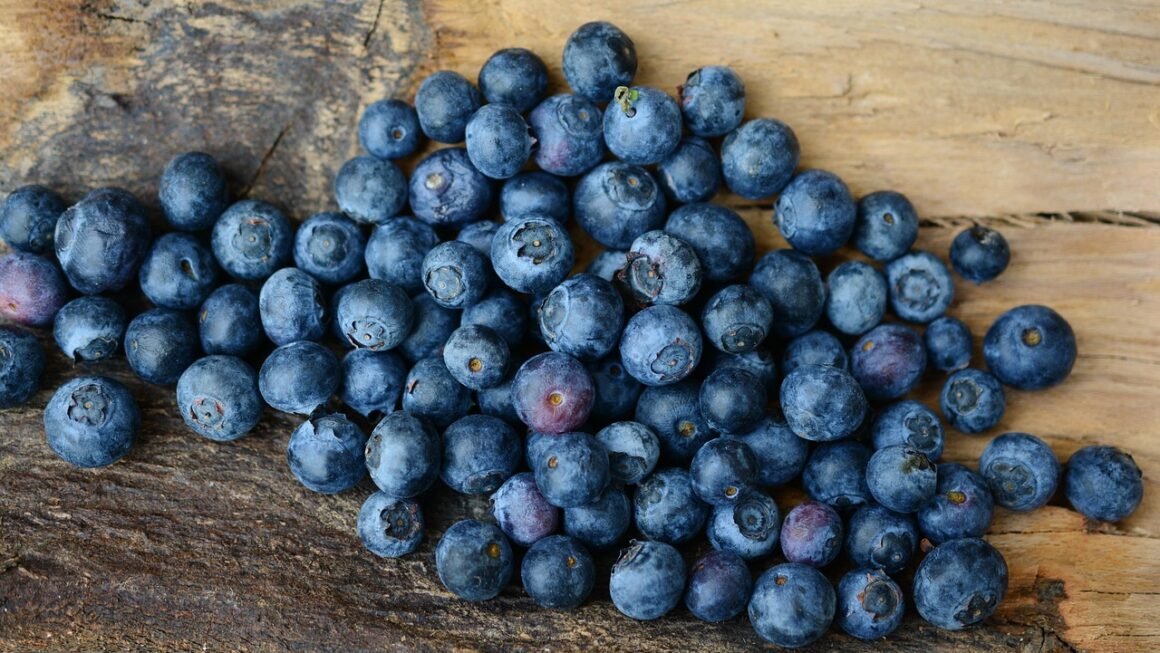
The flexitarian diet, a portmanteau of “flexible” and “vegetarian,” is gaining immense popularity as a sustainable and accessible approach to healthier eating. It’s not about strict rules or limitations but about embracing the benefits of vegetarianism while still enjoying meat occasionally. This dietary pattern is attracting individuals seeking to improve their well-being, reduce their environmental impact, and find a more sustainable long-term eating plan. Let’s dive into what the flexitarian diet is all about and how you can make it work for you.
Understanding the Flexitarian Diet
What is a Flexitarian Diet?
The flexitarian diet is, at its core, a primarily plant-based diet that allows for the occasional consumption of meat, poultry, and fish. Unlike traditional vegetarian or vegan diets that eliminate animal products entirely, flexitarianism offers a more relaxed and adaptable approach. It’s not about completely cutting out meat but consciously reducing its intake and prioritizing plant-based foods.
The Philosophy Behind Flexitarianism
The philosophy behind the flexitarian diet centers around promoting health, environmental sustainability, and ethical considerations. It recognizes the health benefits associated with plant-based eating, such as reduced risk of heart disease, type 2 diabetes, and certain cancers. Furthermore, it acknowledges the environmental impact of meat production and encourages more sustainable food choices. Flexitarianism also offers a more inclusive approach to dietary change, making it easier for people to adopt and maintain healthier eating habits without feeling overly restricted.
Key Principles of the Flexitarian Diet
- Prioritize Plants: The foundation of the diet is built on fruits, vegetables, legumes, nuts, seeds, and whole grains.
- Reduce Meat Intake: While meat is not eliminated, it is intentionally reduced in frequency and portion size.
- Embrace Alternatives: Explore plant-based alternatives for protein, such as tofu, tempeh, and lentils.
- Minimize Processed Foods: Focus on whole, minimally processed foods for optimal health benefits.
- Flexibility is Key: Adjust the diet to suit your individual needs, preferences, and lifestyle.
Health Benefits of a Flexitarian Lifestyle
Weight Management
The flexitarian diet can be an effective tool for weight management due to its emphasis on nutrient-dense, lower-calorie plant-based foods. These foods are typically higher in fiber, which promotes satiety and helps control appetite. By reducing meat intake and increasing consumption of fruits, vegetables, and whole grains, individuals may naturally consume fewer calories and achieve a healthy weight.
Cardiovascular Health
Studies have shown that plant-based diets are associated with improved cardiovascular health. The flexitarian diet, with its focus on fruits, vegetables, and whole grains, can help lower cholesterol levels, reduce blood pressure, and decrease the risk of heart disease. These foods are rich in antioxidants, fiber, and healthy fats, which support overall heart health.
Reduced Risk of Type 2 Diabetes
The high fiber content and lower glycemic index of plant-based foods in the flexitarian diet can help regulate blood sugar levels and reduce the risk of type 2 diabetes. By prioritizing whole grains, legumes, and non-starchy vegetables, individuals can improve insulin sensitivity and maintain stable blood glucose levels.
Cancer Prevention
Numerous studies have linked plant-based diets to a reduced risk of certain cancers. Fruits and vegetables are rich in antioxidants and phytochemicals, which can protect cells from damage and inhibit the growth of cancer cells. The flexitarian diet, with its emphasis on plant-based foods, can contribute to cancer prevention.
Getting Started with the Flexitarian Diet
Gradual Transition
Instead of making drastic changes overnight, start by gradually incorporating more plant-based meals into your diet. Begin with one meatless meal per week and gradually increase the frequency. This approach allows your body to adjust to the increased fiber intake and helps you discover new plant-based recipes and alternatives.
Meal Planning Tips
- Plan your meals in advance: This helps ensure you have the necessary ingredients on hand and reduces the likelihood of relying on less healthy options.
- Focus on building meals around plant-based protein sources: Include legumes, tofu, tempeh, nuts, and seeds in your main dishes.
- Experiment with new recipes: Explore vegetarian and vegan cookbooks or online resources to find delicious and satisfying plant-based recipes.
- Keep healthy snacks readily available: This can help prevent hunger pangs and cravings for less healthy foods. Good options include fruits, vegetables, nuts, and seeds.
Practical Meal Ideas
- Breakfast: Oatmeal with berries and nuts, tofu scramble with vegetables, or a smoothie with spinach, banana, and almond milk.
- Lunch: Lentil soup with whole-grain bread, a quinoa salad with roasted vegetables, or a black bean burger on a whole-wheat bun.
- Dinner: Vegetable stir-fry with tofu or tempeh, pasta with marinara sauce and vegetables, or a bean burrito with brown rice and salsa.
- Snacks: Apple slices with peanut butter, a handful of almonds, or carrot sticks with hummus.
Dealing with Cravings
Cravings for meat are common when transitioning to a flexitarian diet. Here are some tips for managing these cravings:
- Find plant-based alternatives: Experiment with meat substitutes like veggie burgers, tofu, or tempeh.
- Increase your intake of plant-based protein: This can help reduce cravings for meat.
- Distract yourself: Engage in activities that take your mind off food, such as exercise, reading, or spending time with friends and family.
- Allow yourself occasional meat-containing meals: Remember, the flexitarian diet is flexible. Indulging in occasional cravings can help you stay on track in the long run.
Overcoming Common Challenges
Ensuring Adequate Nutrient Intake
While the flexitarian diet offers numerous health benefits, it’s important to ensure you are getting all the necessary nutrients, particularly vitamin B12, iron, calcium, and omega-3 fatty acids. Consult with a registered dietitian or healthcare professional to address any potential nutrient deficiencies and determine if supplementation is necessary.
- Vitamin B12: Found primarily in animal products, vitamin B12 can be obtained through fortified foods or supplements.
- Iron: Plant-based sources of iron, such as lentils and spinach, are not as easily absorbed as iron from animal products. Consume these foods with vitamin C to enhance absorption.
- Calcium: Plant-based sources of calcium include leafy green vegetables, fortified plant-based milks, and tofu.
- Omega-3 Fatty Acids: ALA, a type of omega-3 fatty acid, is found in flaxseeds, chia seeds, and walnuts. Your body can convert ALA into EPA and DHA, but the conversion rate is often low. Consider taking an algae-based supplement to ensure adequate intake of EPA and DHA.
Social Situations
Navigating social situations, such as eating out or attending gatherings, can be challenging when following a flexitarian diet. Here are some tips for making it easier:
- Plan ahead: Research restaurant menus in advance to identify vegetarian or vegan options.
- Communicate your dietary needs: Inform your host or server about your dietary preferences.
- Bring a dish to share: If you are attending a potluck, bring a plant-based dish that you and others can enjoy.
- Focus on the social aspect: Remember that socializing is just as important as the food.
Making it Sustainable Long-Term
To make the flexitarian diet a sustainable lifestyle, it’s important to find a balance that works for you and to avoid feeling overly restricted. Listen to your body, be mindful of your cravings, and adjust the diet as needed. Remember that it’s not about perfection but about making conscious choices that support your health and well-being.
- Focus on progress, not perfection: It’s okay to have occasional meat-containing meals. The key is to consistently prioritize plant-based foods.
- Make it enjoyable: Experiment with new recipes, explore different cuisines, and find plant-based foods that you truly enjoy.
- Seek support: Join a flexitarian community or connect with friends and family who share your dietary goals.
- Stay informed: Continue to learn about the health and environmental benefits of plant-based eating.
Conclusion
The flexitarian diet provides a flexible and attainable approach to healthier and more sustainable eating. By prioritizing plant-based foods and consciously reducing meat intake, individuals can enjoy numerous health benefits, reduce their environmental impact, and promote ethical food choices. Whether you’re looking to lose weight, improve your heart health, or simply eat more sustainably, the flexitarian diet offers a pathway to achieve your goals without sacrificing the occasional indulgence. Embrace the flexibility, experiment with new recipes, and embark on a journey towards a healthier and more conscious lifestyle.