High blood pressure, or hypertension, affects millions of people worldwide, significantly increasing the risk of heart disease, stroke, and kidney problems. While medication is often necessary, dietary changes can play a crucial role in managing and even preventing hypertension. Understanding the relationship between food and blood pressure is key to taking control of your health and well-being. This blog post will delve into the best dietary strategies for lowering and maintaining healthy blood pressure levels.
The DASH Diet: A Cornerstone for Blood Pressure Control
The Dietary Approaches to Stop Hypertension (DASH) diet is consistently recommended by medical professionals as an effective way to manage blood pressure. It emphasizes whole, unprocessed foods and limits saturated fat, cholesterol, and sodium.
Key Components of the DASH Diet
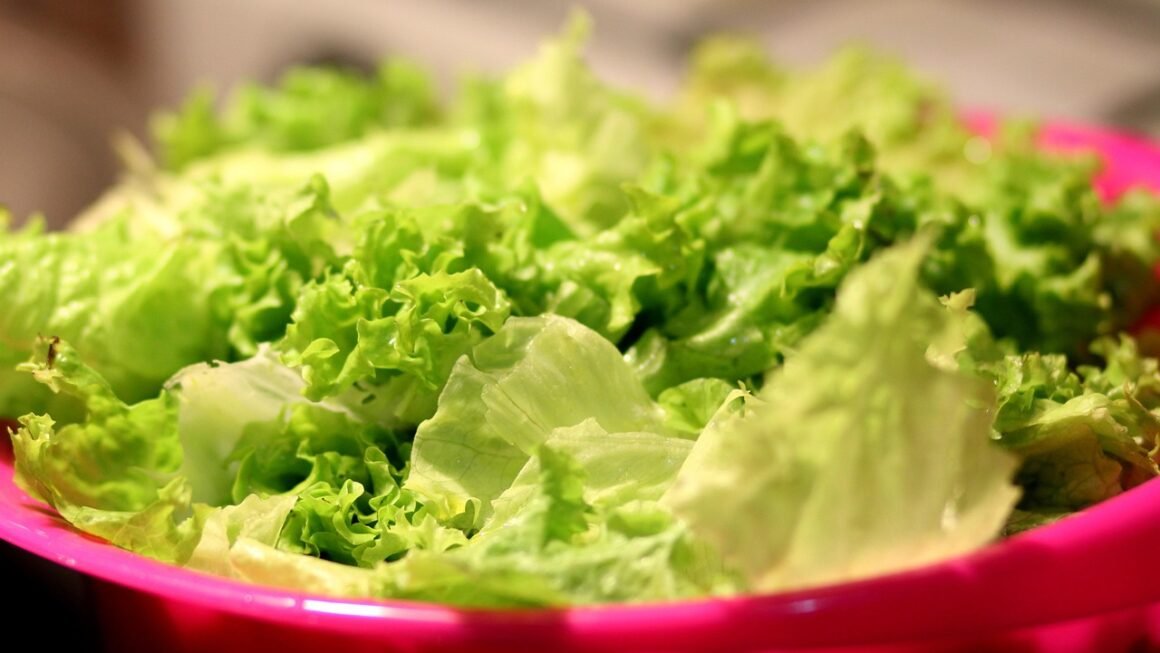
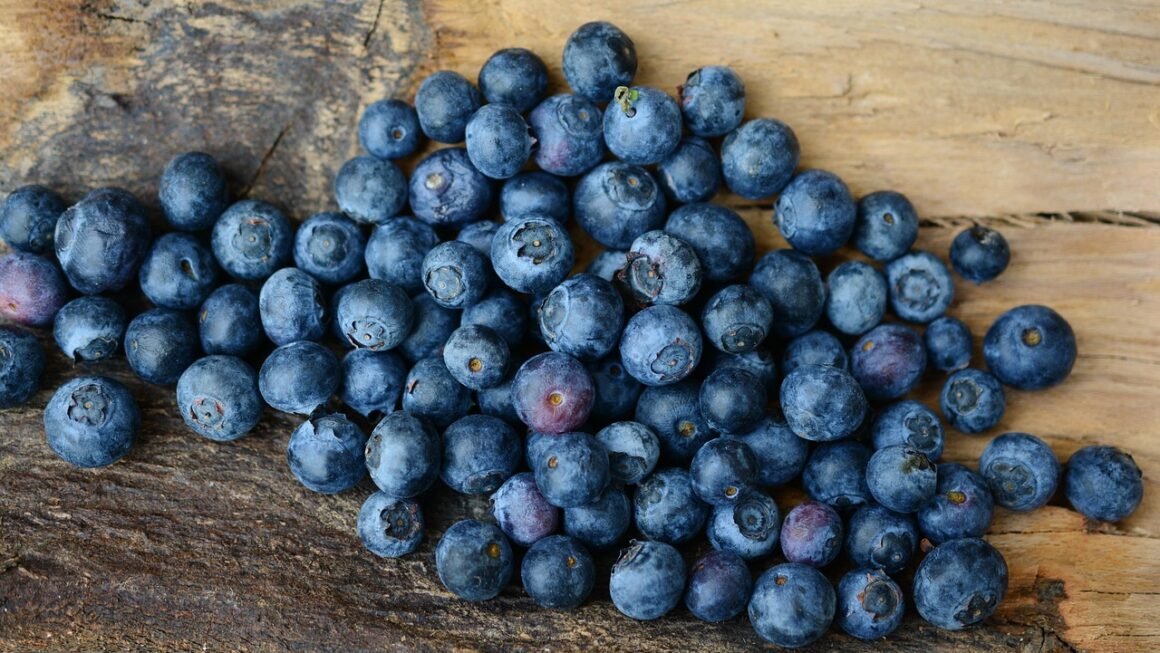
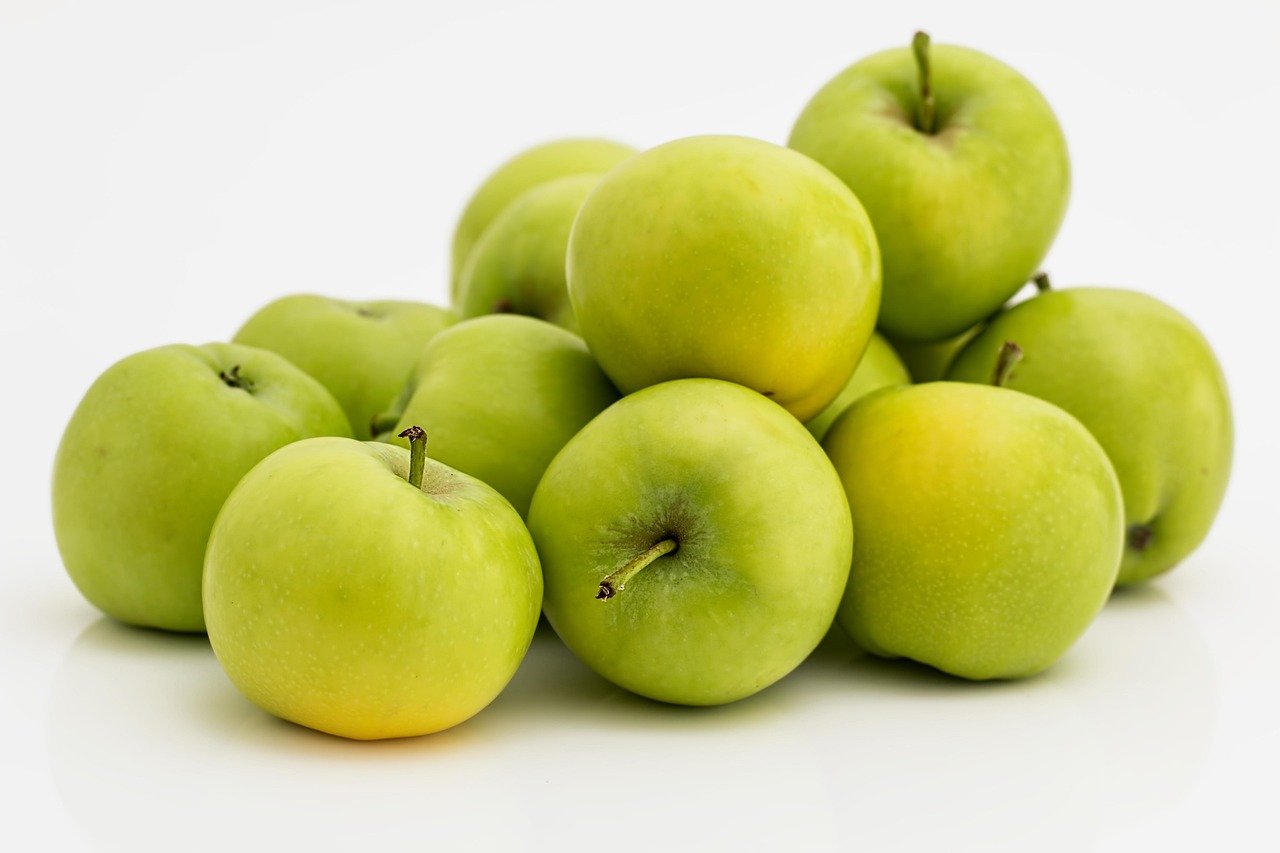
- Rich in Fruits and Vegetables: Aim for 4-5 servings of fruits and 4-5 servings of vegetables per day. These are naturally low in sodium and rich in potassium, which helps counteract the effects of sodium on blood pressure.
Example: Start your day with berries in your oatmeal, have a salad with lunch, and include steamed broccoli or roasted vegetables with dinner.
- Low-Fat Dairy: Choose low-fat or fat-free dairy products like milk, yogurt, and cheese. These are good sources of calcium, which may also contribute to blood pressure regulation.
Example: Swap your regular milk for skim milk and use low-fat Greek yogurt in smoothies or as a topping for baked potatoes.
- Whole Grains: Opt for whole grains like brown rice, quinoa, whole-wheat bread, and oats. These provide fiber, which can help lower blood pressure and improve overall heart health.
Example: Choose whole-wheat bread over white bread and enjoy a bowl of oatmeal instead of sugary cereals.
- Lean Protein: Include lean protein sources like poultry, fish, beans, and nuts in your diet. Limit red meat and processed meats, which can be high in saturated fat and sodium.
Example: Have baked chicken or grilled fish for dinner, and incorporate beans or lentils into your meals a few times a week.
- Nuts, Seeds, and Legumes: These are good sources of magnesium, potassium, and fiber, all of which can help lower blood pressure.
Example: Snack on a handful of almonds or walnuts, or add flaxseeds or chia seeds to your smoothie or yogurt.
Benefits of Following the DASH Diet
- Lowers Blood Pressure: Studies have shown that the DASH diet can significantly lower both systolic and diastolic blood pressure within weeks.
- Improves Cholesterol Levels: The DASH diet is low in saturated fat and cholesterol, which can help improve your cholesterol profile.
- Reduces Risk of Heart Disease: By lowering blood pressure and improving cholesterol, the DASH diet can significantly reduce your risk of heart disease.
- Promotes Weight Loss: The focus on whole, unprocessed foods can also help with weight management.
Limiting Sodium Intake: A Crucial Step
Reducing sodium intake is one of the most important dietary changes you can make to lower your blood pressure. The American Heart Association recommends limiting sodium intake to no more than 2,300 milligrams per day, and ideally no more than 1,500 milligrams per day for most adults.
Hidden Sources of Sodium
- Processed Foods: Many processed foods, such as canned soups, frozen meals, and packaged snacks, are high in sodium.
Tip: Read food labels carefully and choose low-sodium options.
- Restaurant Meals: Restaurant meals often contain high levels of sodium.
Tip: Ask for your meal to be prepared without added salt and choose dishes that are grilled, baked, or steamed instead of fried.
- Condiments: Sauces, dressings, and condiments like ketchup, mustard, and soy sauce can add a significant amount of sodium to your diet.
Tip: Use low-sodium versions of your favorite condiments or try alternatives like herbs and spices to flavor your food.
- Bread and Rolls: Even bread can be surprisingly high in sodium.
* Tip: Check the sodium content per serving before purchasing.
Practical Tips for Reducing Sodium
- Cook at Home: Preparing your own meals allows you to control the amount of sodium you add.
- Use Herbs and Spices: Experiment with different herbs and spices to flavor your food instead of salt.
- Read Food Labels: Pay attention to the sodium content on food labels and choose low-sodium options.
- Rinse Canned Foods: Rinsing canned beans and vegetables can help reduce their sodium content.
- Avoid Adding Salt at the Table: Resist the urge to add salt to your food at the table.
Potassium: The Counterbalance to Sodium
Potassium helps balance the effects of sodium in the body, which can help lower blood pressure. Increasing your potassium intake is an important part of a blood pressure-friendly diet.
Potassium-Rich Foods
- Bananas: A classic source of potassium.
- Sweet Potatoes: Versatile and packed with nutrients, including potassium.
- Spinach: A leafy green that is rich in potassium and other vitamins.
- Avocados: A healthy fat source that also provides a good dose of potassium.
- Beans and Lentils: Excellent sources of both potassium and fiber.
- Tomatoes: Whether fresh, canned, or in sauce, tomatoes are a good source of potassium.
Incorporating Potassium into Your Diet
- Add a banana to your breakfast cereal or smoothie.
- Enjoy a baked sweet potato as a side dish.
- Include spinach in your salads or stir-fries.
- Use avocado as a spread on toast or in guacamole.
- Add beans or lentils to your soups, stews, or salads.
- Use tomato sauce as a base for your pasta dishes.
The Role of Magnesium and Calcium
Magnesium and calcium are essential minerals that play a role in regulating blood pressure. Ensuring you get enough of these nutrients through your diet is crucial for maintaining healthy blood pressure levels.
Magnesium-Rich Foods
- Dark Leafy Greens: Spinach, kale, and collard greens are excellent sources of magnesium.
- Nuts and Seeds: Almonds, cashews, pumpkin seeds, and sunflower seeds are all good sources of magnesium.
- Whole Grains: Brown rice, quinoa, and whole-wheat bread provide magnesium.
- Dark Chocolate: A small amount of dark chocolate (70% cacao or higher) can be a source of magnesium and antioxidants.
Calcium-Rich Foods
- Dairy Products: Milk, yogurt, and cheese are good sources of calcium. Choose low-fat or fat-free options.
- Fortified Plant-Based Milks: Almond milk, soy milk, and oat milk are often fortified with calcium.
- Leafy Green Vegetables: Kale, collard greens, and spinach contain calcium.
- Canned Salmon and Sardines: These fish contain calcium because the bones are edible.
Tips for Increasing Magnesium and Calcium Intake
- Include leafy greens in your salads, soups, and smoothies.
- Snack on nuts and seeds throughout the day.
- Choose whole grains over refined grains.
- Enjoy a small square of dark chocolate as a treat.
- Drink milk or fortified plant-based milk with your meals.
- Add cheese to your sandwiches or salads.
- Include canned salmon or sardines in your diet.
Limit Alcohol and Caffeine
While moderate alcohol consumption might have some benefits for some individuals, excessive alcohol intake can raise blood pressure. Similarly, caffeine can cause a temporary spike in blood pressure.
Recommendations for Alcohol Consumption
- Men: Limit alcohol intake to no more than two drinks per day.
- Women: Limit alcohol intake to no more than one drink per day.
- One drink is defined as: 12 ounces of beer, 5 ounces of wine, or 1.5 ounces of liquor.
Strategies for Managing Caffeine Intake
- Be mindful of caffeine sources: Coffee, tea, energy drinks, and some sodas contain caffeine.
- Limit your caffeine intake: Try to keep your caffeine intake to moderate levels (around 400 milligrams per day for most adults).
- Consider decaffeinated options: Switch to decaffeinated coffee or tea.
- Monitor your blood pressure: Pay attention to how caffeine affects your blood pressure and adjust your intake accordingly.
Conclusion
Managing blood pressure through diet is a powerful tool in promoting overall health and well-being. By adopting the DASH diet, limiting sodium, increasing potassium, and ensuring adequate intake of magnesium and calcium, you can significantly reduce your risk of hypertension and its associated complications. Remember to consult with your healthcare provider or a registered dietitian to develop a personalized dietary plan that meets your individual needs and health goals. Taking control of your diet is an investment in a healthier, longer life.