Embarking on a fasting journey can feel like navigating uncharted territory. Whether you’re drawn to intermittent fasting, extended fasting, or another variation, having the right support and knowledge is crucial for a successful and comfortable experience. This guide provides a comprehensive overview of fasting support strategies, tools, and considerations to help you maximize the benefits and minimize potential challenges.
Understanding Different Types of Fasting
Intermittent Fasting (IF)
Intermittent fasting involves cycling between periods of eating and voluntary fasting on a regular schedule. It’s not so much what you eat, but when you eat.
- Popular Methods:
16/8 Method: Fasting for 16 hours and eating within an 8-hour window. For example, eating between 12 pm and 8 pm.
5:2 Diet: Eating normally for 5 days and restricting calorie intake to 500-600 calories for 2 days.
Eat-Stop-Eat: Fasting for 24 hours once or twice a week.
Extended Fasting
Extended fasting generally refers to fasts lasting longer than 24 hours. These fasts should be approached with caution and ideally under medical supervision, especially for beginners.
- Duration: Typically ranges from 24 hours to several days.
- Medical Supervision: Consulting a healthcare professional is essential due to potential risks such as electrolyte imbalances.
Other Fasting Methods
- Dry Fasting: Restricting both food and water intake. This method is highly controversial and generally not recommended due to dehydration risks.
- Water Fasting: Consuming only water during the fasting period.
- Juice Fasting: Consuming only fruit and vegetable juices.
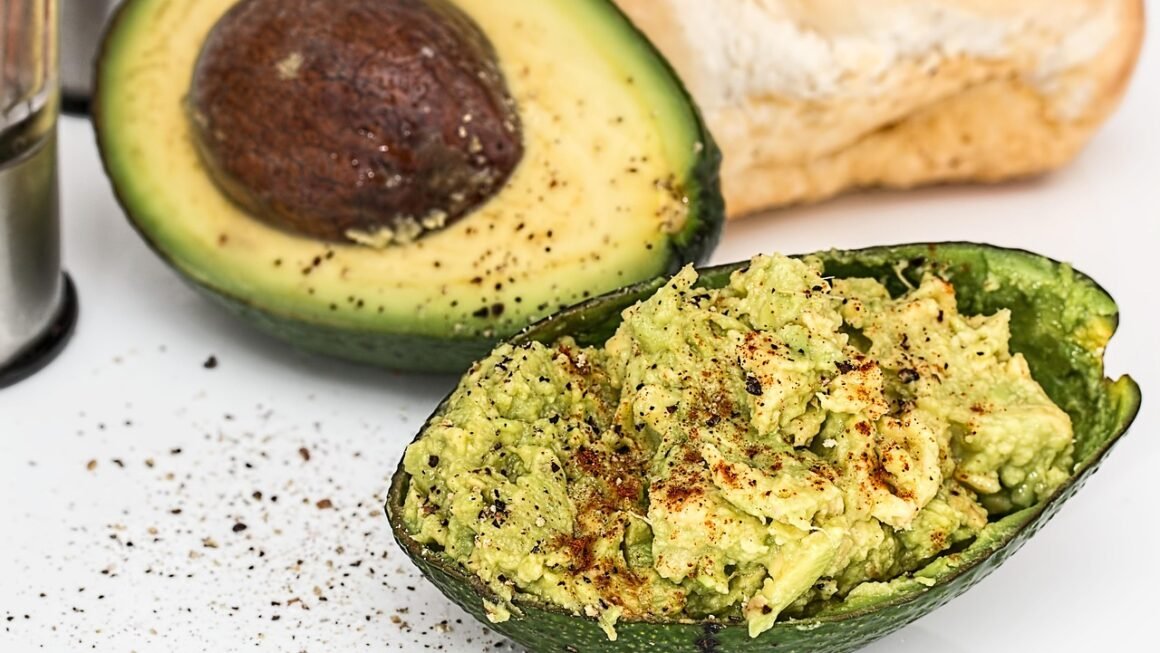
- Modified Fasting: Allowing a small amount of calories (e.g., 500-600) per day during the fast. This could involve eating small servings of healthy fats, such as avocado or a handful of nuts.
Key Supplements and Electrolytes for Fasting
Maintaining electrolyte balance is critical during fasting, especially for extended periods. Here’s a breakdown of essential supplements and electrolytes:
Essential Electrolytes
- Sodium: Crucial for fluid balance and nerve function. Symptoms of sodium deficiency include headache, fatigue, and muscle cramps. Consider adding a pinch of high-quality sea salt to your water.
- Potassium: Important for heart health and muscle contractions. Potassium deficiency can lead to heart palpitations and muscle weakness. Electrolyte supplements often contain potassium, or you can obtain it from bone broth.
- Magnesium: Supports hundreds of bodily functions, including muscle and nerve function, blood sugar control, and blood pressure regulation. Magnesium deficiency can cause muscle spasms, anxiety, and sleep disturbances. Magnesium glycinate is a well-absorbed form of magnesium.
Other Helpful Supplements
- Vitamin D: Supports immune function and bone health. Many people are deficient in Vitamin D, making supplementation beneficial, especially during times of stress like fasting.
- Omega-3 Fatty Acids: Can help reduce inflammation and support brain health during fasting.
- Apple Cider Vinegar (ACV): Some proponents suggest ACV can help manage blood sugar levels and reduce cravings. Dilute ACV with water before consumption to protect tooth enamel.
- Actionable Takeaway: Before starting any fasting regimen, consider having your electrolyte levels checked by a doctor. Supplement appropriately, paying close attention to sodium, potassium, and magnesium.
Hydration Strategies During Fasting
Proper hydration is paramount during fasting, regardless of the method. Dehydration can lead to various symptoms, including headaches, dizziness, and constipation.
Water Intake Recommendations
- General Guideline: Aim for at least 8-10 glasses of water per day. Adjust based on activity levels and climate.
- Water Additives: Consider adding electrolytes to your water to replenish those lost through urination.
Other Hydrating Beverages
- Herbal Tea: Unsweetened herbal teas are a great way to stay hydrated and provide additional benefits, such as calming properties. Chamomile, peppermint, and ginger tea are excellent choices.
- Bone Broth: A good source of electrolytes and collagen, bone broth can help support gut health and hydration.
- Black Coffee/Tea (Without Additives): Moderate amounts of black coffee or tea are generally acceptable during fasting, but be mindful of caffeine’s effects on sleep and anxiety. Avoid sweeteners and cream.
- Practical Tip: Carry a water bottle with you throughout the day to encourage consistent hydration. Set reminders on your phone to drink water regularly.
Managing Hunger and Cravings
One of the biggest challenges during fasting is managing hunger and cravings. Here are some strategies to help:
Mindful Eating Techniques
- Pay Attention to Hunger Cues: Differentiate between genuine hunger and emotional cravings. Ask yourself if you’re truly hungry or just bored or stressed.
- Savor Your Meals: When you do eat, focus on the taste and texture of your food. Eat slowly and mindfully to promote satiety.
Distraction Techniques
- Engage in Activities: Keep yourself busy with activities that you enjoy, such as reading, exercising, or spending time with loved ones.
- Stay Hydrated: Sometimes thirst can be mistaken for hunger. Drink a glass of water before reaching for a snack.
Strategic Supplementation
- Fiber Supplements: Certain fiber supplements, such as psyllium husk, can help promote satiety. However, consult with a healthcare professional before taking fiber supplements, as they can affect medication absorption.
- Consider L-Glutamine: Some people find that L-Glutamine, an amino acid, helps curb sugar cravings. A small amount of L-Glutamine powder mixed with water can sometimes alleviate cravings.
- Example: You feel a strong craving for sugary snacks during your fasting window. Instead of giving in, try drinking a glass of water, going for a short walk, or reading a book. If the craving persists, consider a small amount of L-Glutamine powder mixed with water.
Breaking Your Fast Safely
The way you break your fast is just as important as the fasting period itself. Reintroducing food too quickly can lead to digestive discomfort and other issues.
Gentle Reintroduction of Foods
- Start Small: Begin with a small, easily digestible meal.
- Avoid Processed Foods: Steer clear of processed foods, sugary drinks, and unhealthy fats.
- Example:
Initial Meal (After a 16-hour fast): A small bowl of vegetable soup with a piece of avocado.
Initial Meal (After a 24-hour fast): Bone broth followed by steamed vegetables with a small portion of lean protein.
Initial Meal (After an extended fast of 3+ days): Bone broth, followed by a small serving of well-cooked vegetables (e.g., zucchini, squash) and easily digestible protein (e.g., egg yolks). It’s crucial to introduce foods slowly and monitor your body’s response.
Focus on Nutrient-Dense Options
- Bone Broth: A gut-friendly option to reintroduce fluids and electrolytes.
- Cooked Vegetables: Easy to digest and provide essential nutrients.
- Healthy Fats: Avocado and olive oil provide healthy fats without being too heavy on the digestive system.
- Lean Protein: Fish, chicken, or eggs are good sources of protein.
- Actionable Takeaway: Plan your first meal carefully before you break your fast. Choose whole, unprocessed foods that are easy to digest. Listen to your body and stop eating if you feel full or uncomfortable.
Conclusion
Fasting can be a powerful tool for improving health and well-being when approached with the right knowledge and support. By understanding the different types of fasting, prioritizing hydration and electrolyte balance, managing hunger and cravings effectively, and breaking your fast safely, you can maximize the benefits and minimize potential challenges. Remember to consult with a healthcare professional before starting any new fasting regimen, especially if you have underlying health conditions or are taking medications. With proper preparation and attention to your body’s needs, you can embark on a successful and rewarding fasting journey.