Fasting, an age-old practice regaining immense popularity, is more than just a trend; it’s a powerful tool for health and well-being. Whether you’re exploring intermittent fasting, extended fasts, or religious observances, optimizing your fasting journey is key to reaping its full benefits. This guide provides actionable fasting hacks to help you navigate the challenges and maximize the positive impact of fasting on your body and mind.
Hydration is Key During Fasting
The Importance of Water and Electrolytes
Staying hydrated is paramount during any type of fast. While you’re not consuming food, your body still needs water to function optimally. Dehydration can lead to headaches, fatigue, and even dizziness.
- Water: Aim for at least 8-10 glasses of water per day. Carry a reusable water bottle to stay on track.
- Electrolytes: Fasting can deplete electrolytes like sodium, potassium, and magnesium. Consider adding a pinch of Himalayan pink salt to your water, or consuming electrolyte-rich drinks.
Example: Mix 1/4 teaspoon of Himalayan pink salt, 1/4 teaspoon of potassium chloride (NoSalt), and 1/2 teaspoon of magnesium citrate powder into a large glass of water.
- Herbal Teas: Unsweetened herbal teas like green tea, chamomile tea, or peppermint tea can help keep you hydrated and provide additional health benefits.
Note: Ensure the tea is caffeine-free, especially later in the day, to avoid disrupting sleep.
Avoiding Dehydration Symptoms
Recognizing the signs of dehydration is essential to prevent more serious issues.
- Symptoms: Watch out for symptoms like dark urine, dizziness, dry mouth, and headaches.
- Actionable Tip: If you experience any of these symptoms, immediately increase your water intake and consider adding electrolytes.
- Listen to your body: Some days you will need more water than others. Factors like climate and activity level will influence your water needs.
Managing Hunger and Cravings
Understanding Hunger Signals
Hunger during fasting is often psychological rather than physiological. Learning to distinguish between true hunger and cravings is crucial.
- True Hunger: Gradually increases over time and is accompanied by physical symptoms like stomach growling and weakness.
- Cravings: Often sudden and specific, triggered by emotional cues or environmental stimuli.
- Mindfulness: Practice mindful eating techniques, even during your eating windows, to become more aware of your body’s hunger signals.
Effective Strategies to Suppress Appetite
Several techniques can help manage hunger and cravings during fasting.
- Fiber-Rich Foods (During Eating Windows): Prioritize fiber-rich foods like vegetables, fruits, and whole grains during your eating windows. Fiber promotes satiety and can help reduce cravings during fasting periods.
Example: Starting your day with a high-fiber breakfast like oatmeal with berries and nuts.
- Distraction Techniques: Engage in activities that take your mind off food, such as reading, listening to music, or going for a walk.
- Stay Busy: Keeping a busy schedule can significantly reduce the focus on food. Plan your day with activities and tasks to stay occupied.
- Social Support: Talking to friends or family members who are also fasting or who understand your goals can provide valuable support.
- Low-Calorie, Fasting-Friendly Options (If Needed): Consider small amounts of approved liquids if hunger becomes unbearable, but use sparingly to maintain the benefits of fasting.
Examples: Bone broth, black coffee, unsweetened tea.
Optimizing Your Fasting Schedule
Choosing the Right Fasting Method
Different fasting methods suit different lifestyles and goals. Experiment to find what works best for you.
- Intermittent Fasting (IF): Time-restricted eating patterns, such as the 16/8 method (eating within an 8-hour window and fasting for 16 hours).
- Extended Fasting: Longer periods of fasting (24 hours or more). Requires more preparation and should be approached with caution. Consult a healthcare professional before embarking on an extended fast.
- Alternate-Day Fasting: Eating normally one day and fasting the next.
- Practical Example: For beginners, the 16/8 method is often a good starting point. Adjust your eating window based on your daily schedule and energy levels.
Sticking to a Consistent Routine
Consistency is key to experiencing the benefits of fasting.
- Set a Schedule: Establish a regular fasting and eating schedule and stick to it as much as possible.
- Meal Planning: Plan your meals in advance to avoid impulsive food choices during your eating windows.
- Preparation: Prepare your meals in advance, so when your eating window arrives, you are set to make healthy choices.
- Track Your Progress: Use a journal or app to track your fasting times, meals, and any symptoms you experience. This helps you identify patterns and make adjustments as needed.
Maximizing the Benefits of Breaking Your Fast
Choosing the Right Foods
The way you break your fast is just as important as the fasting itself.
- Avoid Overeating: Start with small, easily digestible meals to avoid overwhelming your digestive system.
- Nutrient-Dense Foods: Focus on nutrient-dense foods like fruits, vegetables, lean protein, and healthy fats.
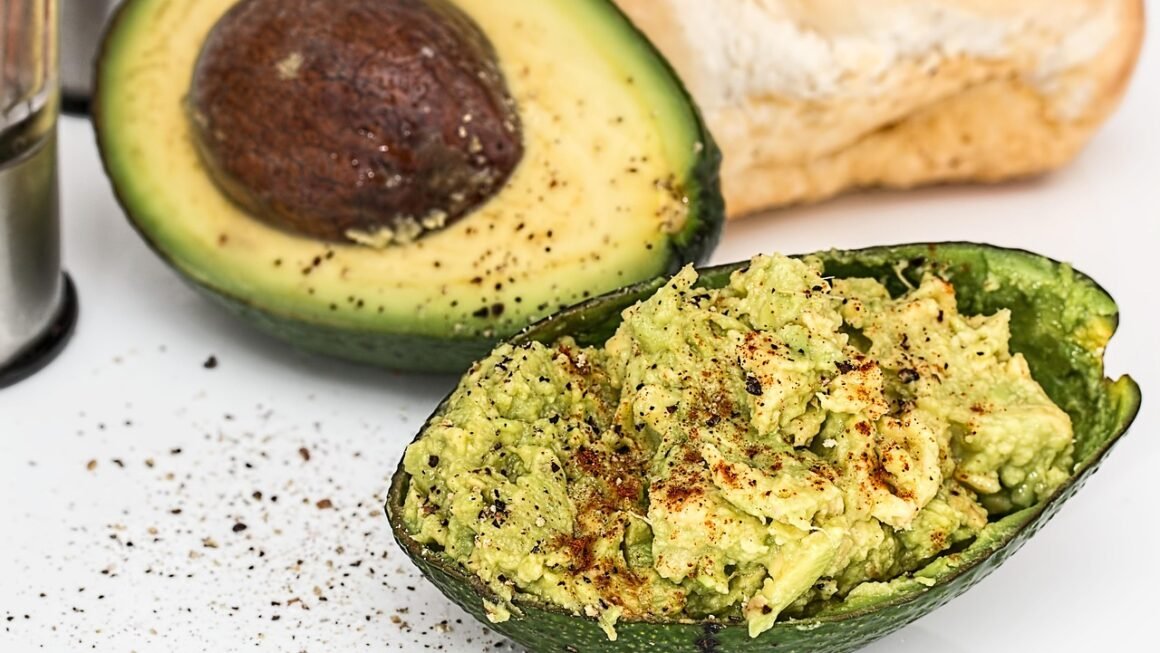
* Examples: Bone broth with vegetables, a small salad with grilled chicken, or avocado toast on whole-grain bread.
- Avoid Processed Foods: Steer clear of processed foods, sugary drinks, and unhealthy fats, as these can negate the benefits of fasting.
Gradually Reintroducing Foods
Introduce foods gradually, especially after extended fasts.
- Start with Liquids: Begin with liquids like bone broth or vegetable juice to ease your digestive system back into action.
- Small Portions: Gradually increase portion sizes over the course of several meals.
- Listen to Your Body: Pay attention to how your body reacts to different foods and adjust accordingly.
- Example: After a 24-hour fast, start with a cup of bone broth, followed by a small serving of steamed vegetables and a small portion of protein an hour or two later.
Minimizing Side Effects
Common Side Effects and Solutions
Fasting can sometimes lead to side effects, especially for beginners.
- Headaches: Ensure you are well-hydrated and consuming enough electrolytes. Consider taking magnesium supplements.
- Fatigue: Reduce the intensity of your workouts and prioritize rest.
- Dizziness: Increase your sodium intake and stand up slowly from seated positions.
- Muscle Cramps: Ensure you are getting enough magnesium and potassium. Consider using electrolyte supplements.
- Irritability: Practice stress-reduction techniques like meditation or deep breathing exercises.
When to Seek Medical Advice
While fasting is generally safe, it’s important to know when to seek professional medical advice.
- Pre-Existing Conditions: Consult a healthcare professional before starting any fasting regimen if you have pre-existing medical conditions like diabetes, heart disease, or kidney disease.
- Medications: If you are taking medications, discuss potential interactions with your doctor.
- Severe Symptoms: Seek immediate medical attention if you experience severe symptoms like chest pain, fainting, or persistent vomiting.
Conclusion
Fasting is a powerful tool for improving health and well-being, but it requires careful planning and execution. By implementing these fasting hacks, you can optimize your fasting journey, manage hunger and cravings, minimize side effects, and maximize the benefits. Remember to listen to your body, adjust your approach as needed, and consult with a healthcare professional if you have any concerns. With the right strategies, you can successfully integrate fasting into your lifestyle and achieve your health goals.