High blood pressure, or hypertension, is a widespread health concern affecting millions worldwide. While medication is often prescribed, dietary changes can play a significant role in managing and lowering blood pressure. Understanding which foods to embrace and which to avoid is crucial for promoting a healthy heart and overall well-being. This comprehensive guide will delve into the dietary strategies that can help you take control of your blood pressure through informed food choices.
The DASH Diet: A Cornerstone for Blood Pressure Management
The Dietary Approaches to Stop Hypertension (DASH) diet is a research-backed eating plan specifically designed to lower blood pressure. It emphasizes fruits, vegetables, whole grains, and low-fat dairy products, while limiting saturated fat, cholesterol, and sodium. Studies have consistently shown its effectiveness in reducing blood pressure levels.
Key Components of the DASH Diet
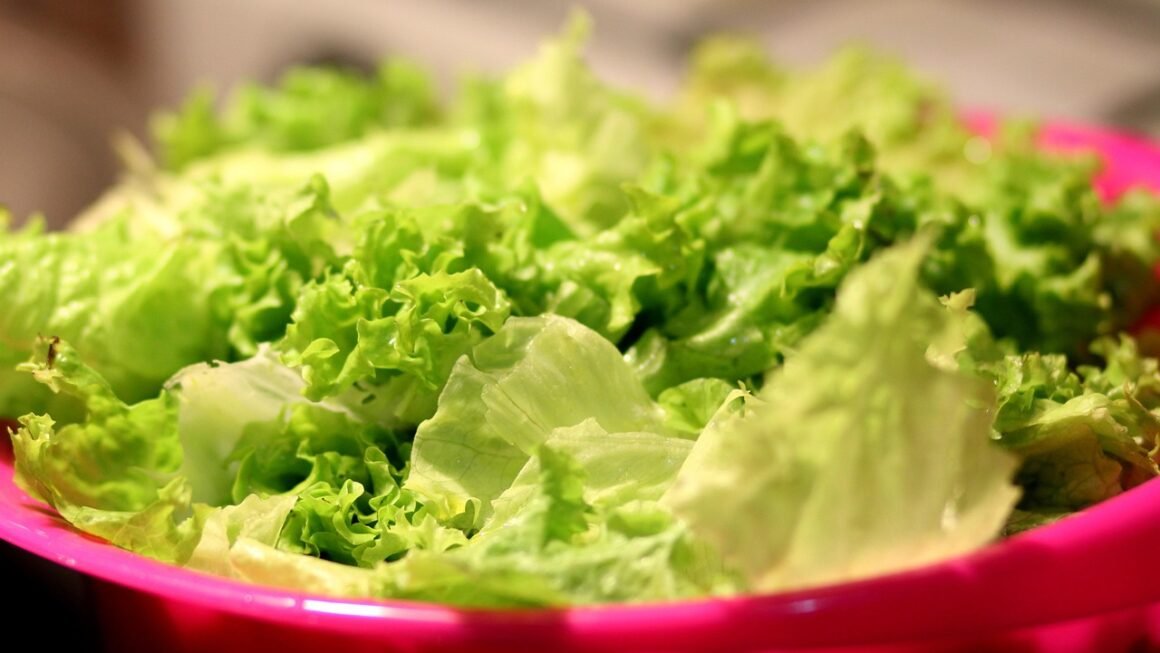
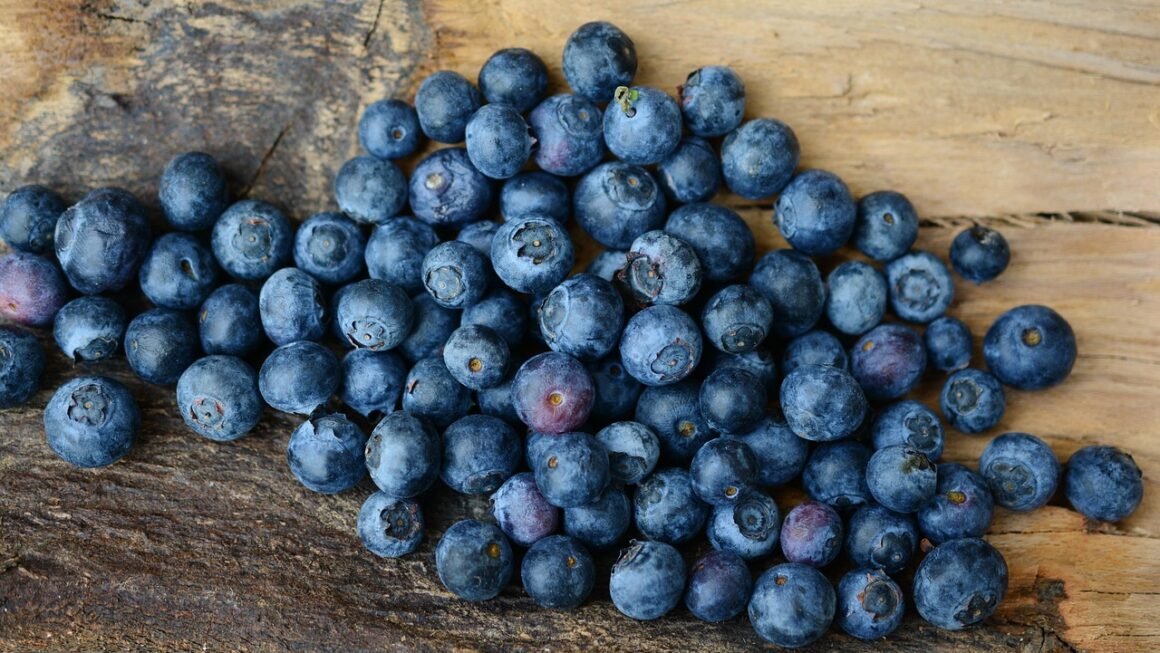
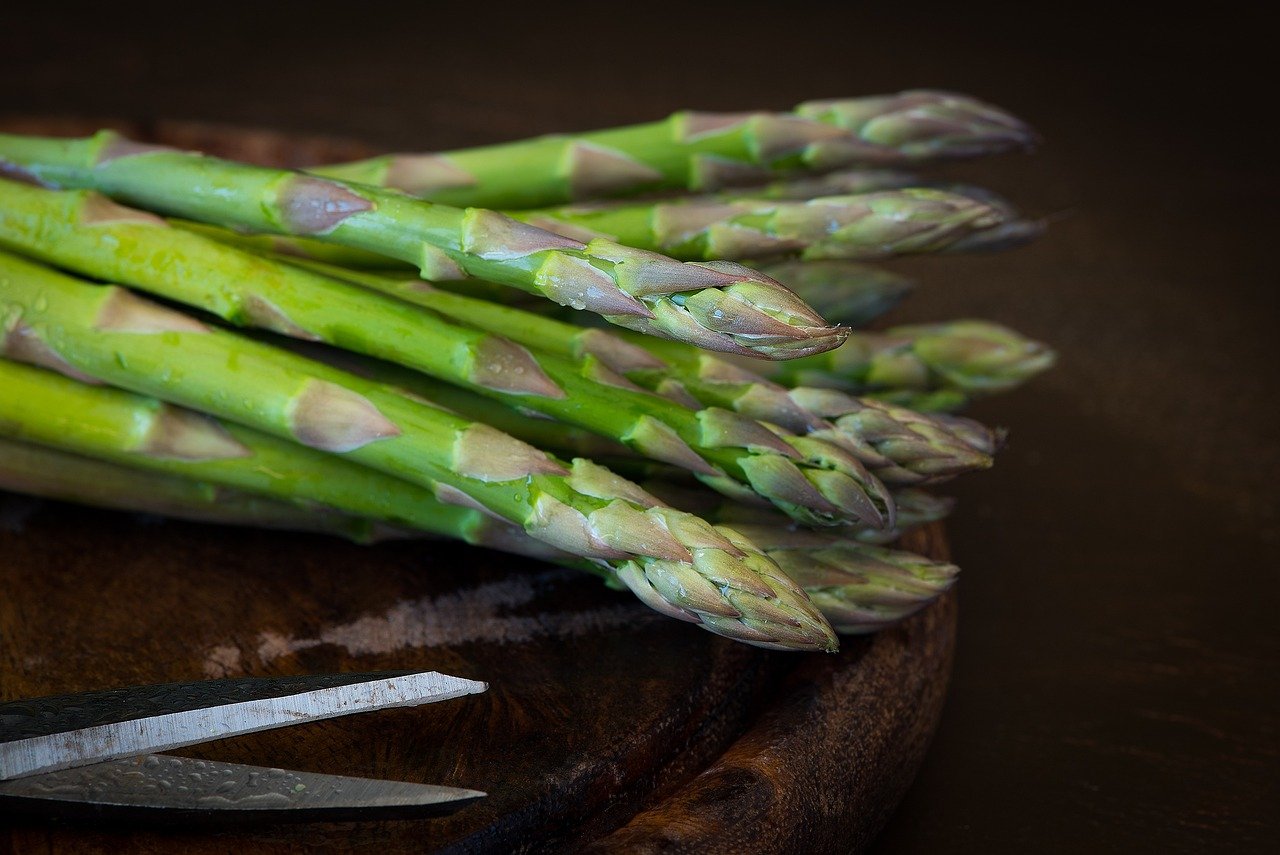
- Abundant Fruits and Vegetables: Aim for 4-5 servings of each per day. These are rich in potassium, magnesium, and fiber, which help regulate blood pressure.
Example: Start your day with berries in your oatmeal, have a salad with lunch, and snack on carrots and hummus.
- Whole Grains Over Refined Grains: Choose whole wheat bread, brown rice, and oatmeal over white bread, white rice, and processed cereals. These provide more fiber and nutrients.
Example: Opt for whole-wheat pasta instead of regular pasta and choose a high-fiber cereal for breakfast.
- Low-Fat or Fat-Free Dairy Products: Dairy provides calcium and vitamin D, which are essential for healthy blood pressure.
Example: Choose skim milk, low-fat yogurt, and reduced-fat cheese.
- Lean Protein Sources: Include lean meats, poultry (without skin), and fish.
Example: Bake or grill chicken breast instead of frying it. Aim for fish rich in omega-3 fatty acids, like salmon, twice a week.
- Legumes, Nuts, and Seeds: These are excellent sources of protein, fiber, and minerals.
Example: Add beans to your salads or soups. Snack on a handful of unsalted nuts or seeds.
Implementing the DASH Diet
Transitioning to the DASH diet doesn’t have to be drastic. Start by making small, gradual changes.
- Read food labels carefully: Pay attention to sodium content and choose lower-sodium options.
- Cook at home more often: This allows you to control the ingredients and portion sizes.
- Plan your meals in advance: This helps you stay on track and avoid unhealthy temptations.
The Role of Sodium: Reducing Your Intake
Excessive sodium intake is a major contributor to high blood pressure. Many processed and packaged foods are loaded with sodium, often without us even realizing it. Reducing sodium is crucial for maintaining healthy blood pressure levels.
Identifying Sources of Sodium
- Processed Foods: These are the biggest culprits, including canned soups, processed meats, frozen meals, and snack foods.
Example: Check the sodium content of your favorite soup brand and compare it to a lower-sodium option.
- Restaurant Meals: Many restaurant dishes are high in sodium.
Example: Ask your server to prepare your meal with less salt.
- Condiments: Sauces, dressings, and dips can add a significant amount of sodium to your diet.
Example: Use low-sodium soy sauce or make your own salad dressing with olive oil and vinegar.
Practical Tips for Lowering Sodium
- Read labels carefully: Always check the sodium content on food labels and choose products with lower amounts.
- Cook at home more often: This gives you control over the amount of salt you add to your food.
- Use herbs and spices to flavor your food: Experiment with different herbs and spices to add flavor without relying on salt.
* Example: Try garlic powder, onion powder, paprika, or oregano.
- Rinse canned foods: Rinsing canned beans, vegetables, and tuna can help remove excess sodium.
- Avoid adding salt at the table: Taste your food before adding salt. You might find that it doesn’t need it.
- Limit processed foods: Choose fresh, whole foods whenever possible.
Potassium, Magnesium, and Calcium: Essential Minerals for Blood Pressure
These minerals play a critical role in regulating blood pressure and promoting cardiovascular health. Ensuring adequate intake of these nutrients through diet is essential.
Potassium-Rich Foods
- Bananas: A classic source of potassium.
- Sweet Potatoes: Versatile and packed with nutrients.
- Spinach: A leafy green powerhouse.
- Beans: Kidney beans, white beans, and lima beans are all good choices.
- Avocados: A healthy fat and potassium source.
Magnesium-Rich Foods
- Dark Chocolate: A tasty treat that also provides magnesium (in moderation).
- Nuts and Seeds: Almonds, cashews, and pumpkin seeds are good options.
- Whole Grains: Brown rice, quinoa, and oats.
- Leafy Green Vegetables: Spinach, kale, and collard greens.
Calcium-Rich Foods
- Dairy Products: Milk, yogurt, and cheese (choose low-fat options).
- Fortified Foods: Some plant-based milks and cereals are fortified with calcium.
- Leafy Green Vegetables: Kale, collard greens, and bok choy.
- Sardines: With edible bones, they are a good source of calcium.
Ensuring Adequate Intake
- Eat a variety of colorful fruits and vegetables every day.
- Include whole grains in your diet.
- Choose low-fat dairy products or fortified plant-based alternatives.
- Incorporate nuts, seeds, and legumes into your meals and snacks.
Limiting Alcohol and Caffeine Consumption
While moderate alcohol consumption might have some cardiovascular benefits for certain individuals, excessive intake can significantly raise blood pressure. Similarly, high caffeine intake can temporarily increase blood pressure.
Alcohol and Blood Pressure
- Recommended Limits: For men, limit alcohol intake to no more than two drinks per day. For women, limit it to no more than one drink per day.
- Excessive Consumption: Binge drinking and heavy alcohol consumption can lead to chronic high blood pressure.
- Consider Abstaining: If you have high blood pressure, it’s best to discuss alcohol consumption with your doctor.
Caffeine and Blood Pressure
- Moderate Consumption: For most people, moderate caffeine consumption (up to 400 mg per day) is unlikely to significantly raise blood pressure.
- Sensitivity Varies: Some individuals are more sensitive to caffeine than others.
- Monitor Your Response: If you have high blood pressure, monitor your blood pressure after consuming caffeine to see how it affects you.
- Alternatives: Consider switching to decaffeinated beverages or herbal teas.
Reading Food Labels: Becoming a Savvy Shopper
Understanding food labels is crucial for making informed choices and controlling your sodium, fat, and sugar intake.
Key Information to Look For
- Serving Size: Pay attention to the serving size listed on the label.
- Sodium Content: Look for products with lower sodium content per serving.
- Saturated Fat: Limit your intake of saturated fat, which can raise cholesterol and contribute to heart disease.
- Added Sugars: Be mindful of added sugars, as they can contribute to weight gain and other health problems.
- Fiber Content: Choose products with higher fiber content.
- Potassium, Magnesium, and Calcium: Check the levels of these essential minerals.
Making Informed Choices
- Compare Products: Compare labels of different brands to choose the healthiest options.
- Be Wary of “Healthy” Claims: Don’t rely solely on marketing claims. Read the ingredient list and nutrition facts panel carefully.
- Focus on Whole, Unprocessed Foods: Prioritize fresh fruits, vegetables, and whole grains.
Conclusion
Managing blood pressure through diet requires a comprehensive approach that incorporates the DASH diet principles, sodium reduction strategies, adequate mineral intake, and mindful consumption of alcohol and caffeine. By becoming a savvy shopper and making informed food choices, you can take control of your blood pressure and improve your overall cardiovascular health. Remember to consult with your doctor or a registered dietitian to create a personalized dietary plan that meets your individual needs.