High blood pressure, or hypertension, affects millions worldwide and is a major risk factor for heart disease, stroke, and kidney disease. While medication is often necessary, dietary changes can play a powerful role in managing and even preventing high blood pressure. This comprehensive guide explores the best dietary strategies for lowering your blood pressure naturally, focusing on specific nutrients, foods to include, and lifestyle adjustments that contribute to a healthier cardiovascular system.
Understanding the Connection Between Diet and Blood Pressure
How Diet Impacts Blood Pressure
What you eat directly affects your blood pressure. Diets high in sodium and saturated fats can increase blood pressure, while diets rich in potassium, magnesium, and calcium can help lower it. Making conscious dietary choices can significantly impact your overall cardiovascular health.
- Sodium: Excessive sodium intake can lead to fluid retention, increasing blood volume and raising blood pressure.
- Potassium: Potassium helps balance sodium levels in the body and relaxes blood vessel walls, thus reducing blood pressure.
- Saturated and Trans Fats: These fats can contribute to plaque buildup in arteries, narrowing the blood vessels and increasing blood pressure.
Key Nutrients for Blood Pressure Management
Several nutrients play a crucial role in regulating blood pressure. Incorporating foods rich in these nutrients can positively influence your cardiovascular health.
- Potassium: Found in bananas, sweet potatoes, spinach, and beans, potassium helps maintain healthy blood pressure levels.
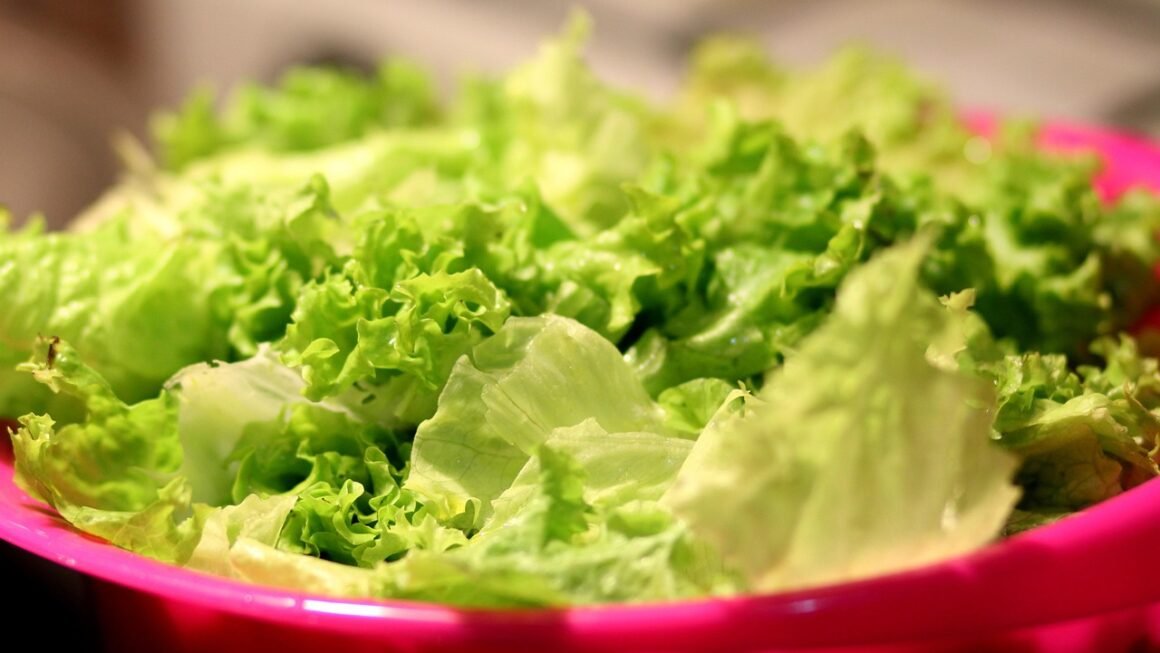
- Magnesium: Sources include leafy green vegetables, nuts, seeds, and whole grains. Magnesium helps relax blood vessels.
- Calcium: Dairy products, fortified plant-based milks, and leafy greens provide calcium, which plays a role in blood vessel function.
- Fiber: Found in fruits, vegetables, and whole grains, fiber helps regulate blood sugar and cholesterol levels, indirectly supporting healthy blood pressure.
The DASH Diet: A Powerful Tool for Lowering Blood Pressure
What is the DASH Diet?
The Dietary Approaches to Stop Hypertension (DASH) diet is specifically designed to lower blood pressure. It emphasizes fruits, vegetables, whole grains, lean protein, and low-fat dairy products while limiting saturated fat, cholesterol, and sodium.
Key Principles of the DASH Diet
- High in Fruits and Vegetables: Aim for 4-5 servings of fruits and 4-5 servings of vegetables per day.
- Low in Sodium: Limit sodium intake to 2,300 mg per day initially, with a goal of 1,500 mg per day for greater benefits.
- Whole Grains: Choose whole grains over refined grains to increase fiber intake. Examples include brown rice, quinoa, and whole-wheat bread. Aim for 6-8 servings per day.
- Lean Protein: Opt for lean sources of protein like fish, poultry (without skin), and beans.
- Low-Fat Dairy: Select low-fat or fat-free dairy products to reduce saturated fat intake.
Implementing the DASH Diet in Your Daily Life
Making the switch to the DASH diet doesn’t have to be overwhelming. Here are some practical tips:
- Start Slowly: Gradually incorporate more fruits and vegetables into your meals.
- Read Labels: Pay attention to sodium content in packaged foods and choose lower-sodium options.
- Cook at Home: Preparing your own meals allows you to control the ingredients and sodium levels.
- Spice it Up: Use herbs and spices instead of salt to add flavor to your dishes.
Example: Instead of a breakfast of processed cereal, try oatmeal with berries and nuts. For lunch, a salad with grilled chicken and plenty of vegetables is a great choice. Dinner could be baked salmon with roasted vegetables and quinoa.
Foods to Embrace and Foods to Limit for Blood Pressure Control
Foods That Help Lower Blood Pressure
- Beets: Rich in nitrates, which help relax blood vessels. Drinking beet juice has been shown to lower blood pressure.
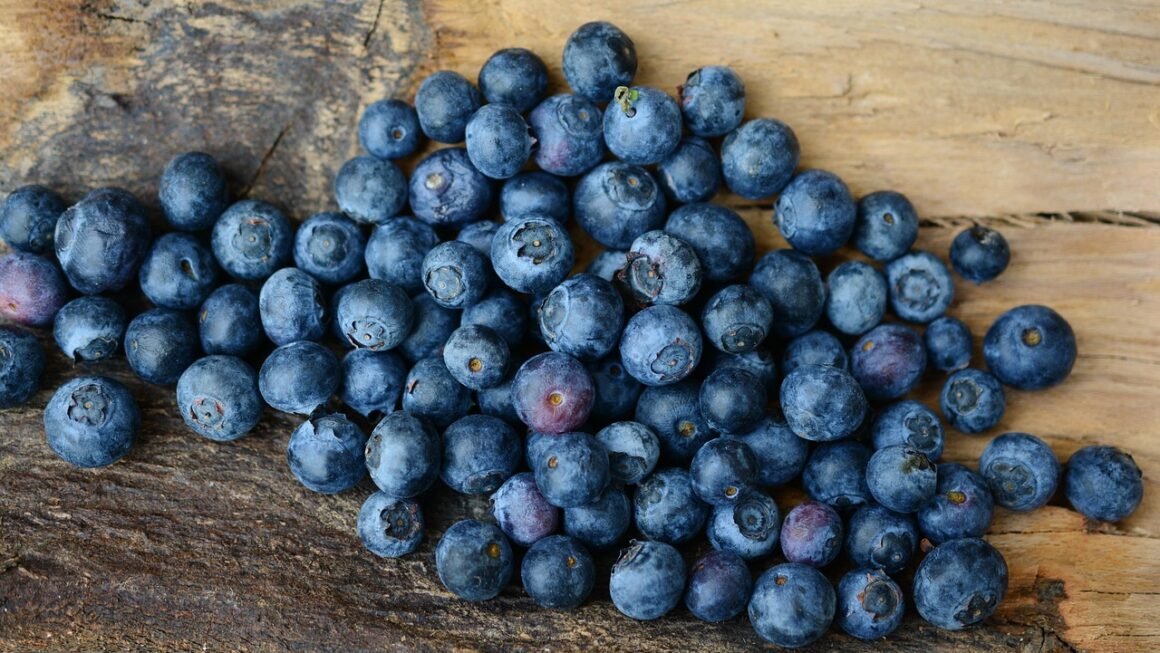
- Berries: Packed with antioxidants, particularly anthocyanins, which protect blood vessel walls. Blueberries, strawberries, and raspberries are excellent choices.
- Garlic: Contains allicin, a compound that may help lower blood pressure by relaxing blood vessels.
- Hibiscus Tea: Studies suggest that drinking hibiscus tea regularly can significantly lower blood pressure.
- Dark Chocolate: Contains flavonoids that improve blood vessel function. Opt for dark chocolate with at least 70% cocoa content and consume in moderation.
Foods to Avoid or Limit
- Processed Foods: Often high in sodium, unhealthy fats, and added sugars. Examples include canned soups, processed meats, and frozen meals.
- Salty Snacks: Chips, pretzels, and other salty snacks contribute significantly to sodium intake.
- Sugary Drinks: Sodas, fruit juices (especially those with added sugar), and energy drinks can raise blood pressure and contribute to weight gain.
- Excessive Alcohol: While moderate alcohol consumption may have some health benefits, excessive drinking can increase blood pressure. Limit intake to one drink per day for women and two drinks per day for men.
- Saturated and Trans Fats: Found in fatty meats, fried foods, and processed baked goods. These fats can raise cholesterol levels and increase blood pressure.
Lifestyle Factors That Complement a Blood Pressure-Friendly Diet
The Importance of Regular Exercise
Regular physical activity is crucial for maintaining healthy blood pressure. Aim for at least 150 minutes of moderate-intensity exercise or 75 minutes of vigorous-intensity exercise per week. Examples include:
- Walking: A simple and effective way to improve cardiovascular health.
- Jogging: A higher-intensity workout that can significantly lower blood pressure.
- Swimming: A low-impact exercise that is gentle on the joints.
- Cycling: A great way to improve cardiovascular fitness and lower blood pressure.
Managing Stress
Chronic stress can contribute to high blood pressure. Incorporating stress-reducing activities into your routine can help manage blood pressure levels.
- Meditation: Practicing mindfulness meditation can help calm the mind and lower stress hormones.
- Yoga: Combines physical postures, breathing techniques, and meditation to reduce stress and improve overall well-being.
- Deep Breathing Exercises: Simple and effective ways to calm the nervous system and lower blood pressure.
- Spending Time in Nature: Studies have shown that spending time outdoors can reduce stress and lower blood pressure.
The Role of Weight Management
Maintaining a healthy weight is essential for managing blood pressure. Losing even a small amount of weight can have a significant impact on blood pressure levels.
- Balanced Diet: Follow a balanced diet that is low in calories, saturated fats, and sodium.
- Regular Exercise: Combine regular physical activity with a healthy diet to promote weight loss.
- Portion Control: Be mindful of portion sizes to avoid overeating.
Practical Tips for Sticking to a Blood Pressure-Friendly Diet
Meal Planning and Preparation
Planning your meals in advance can help you stay on track with your dietary goals. Preparing meals at home allows you to control the ingredients and sodium levels.
- Create a Weekly Meal Plan: Plan your meals for the week and make a grocery list to ensure you have all the necessary ingredients.
- Batch Cooking: Prepare large batches of healthy meals on the weekend and store them in the refrigerator or freezer for easy access during the week.
- Pack Your Lunch: Avoid unhealthy takeout options by packing a healthy lunch for work or school.
Reading Food Labels
Understanding food labels is crucial for making informed dietary choices. Pay attention to the following:
- Serving Size: Be aware of the serving size and adjust your intake accordingly.
- Sodium Content: Choose foods with lower sodium content.
- Saturated Fat: Limit your intake of saturated fats.
- Added Sugars: Avoid foods with high amounts of added sugars.
Seeking Professional Guidance
Consulting with a registered dietitian or healthcare provider can provide personalized guidance and support for managing your blood pressure through diet.
- Personalized Meal Plans: A dietitian can create a meal plan tailored to your specific needs and preferences.
- Nutritional Counseling: A dietitian can provide education and support to help you make healthy dietary choices.
- Monitoring Progress: A healthcare provider can monitor your blood pressure and adjust your medication or dietary recommendations as needed.
Conclusion
Managing blood pressure through diet is a powerful tool for improving your overall health and well-being. By embracing the principles of the DASH diet, incorporating foods rich in potassium, magnesium, and calcium, and making positive lifestyle changes, you can significantly lower your blood pressure and reduce your risk of cardiovascular disease. Remember to consult with a healthcare professional or registered dietitian to create a personalized plan that meets your individual needs. Small, consistent changes can lead to significant improvements in your blood pressure and overall quality of life.