High blood pressure, or hypertension, is a silent killer affecting millions worldwide. Fortunately, dietary changes can play a significant role in managing and even preventing this condition. By understanding the impact of food choices on blood pressure, you can take proactive steps towards a healthier heart and a longer life. This comprehensive guide will explore the key dietary strategies for maintaining healthy blood pressure levels.
Understanding Blood Pressure and Diet
What is Blood Pressure?
Blood pressure measures the force of your blood pushing against the walls of your arteries. It’s recorded as two numbers: systolic (the pressure when your heart beats) and diastolic (the pressure when your heart rests between beats). Normal blood pressure is typically around 120/80 mmHg. High blood pressure is generally defined as 130/80 mmHg or higher, according to the American Heart Association.
The Link Between Diet and Blood Pressure
Diet directly impacts blood pressure. Consuming too much sodium, saturated fat, and cholesterol can raise blood pressure, while a diet rich in potassium, magnesium, and calcium can help lower it. Moreover, overall calorie intake and weight management are also crucial, as obesity is a significant risk factor for hypertension. Studies show that dietary interventions, such as the DASH diet, can significantly reduce blood pressure in many individuals.
- Impact of Sodium: High sodium intake causes the body to retain water, increasing blood volume and, consequently, blood pressure.
- Impact of Potassium: Potassium helps balance sodium levels in the body, promoting vasodilation and reducing blood pressure.
- Impact of Weight: Being overweight or obese puts extra strain on the heart, leading to increased blood pressure.
The DASH Diet: Your Blood Pressure Ally
What is the DASH Diet?
The Dietary Approaches to Stop Hypertension (DASH) diet is specifically designed to lower blood pressure. It emphasizes fruits, vegetables, whole grains, and low-fat dairy products. It limits saturated fat, cholesterol, and added sugars. It’s not a fad diet but rather a sustainable, long-term eating plan.
Key Components of the DASH Diet
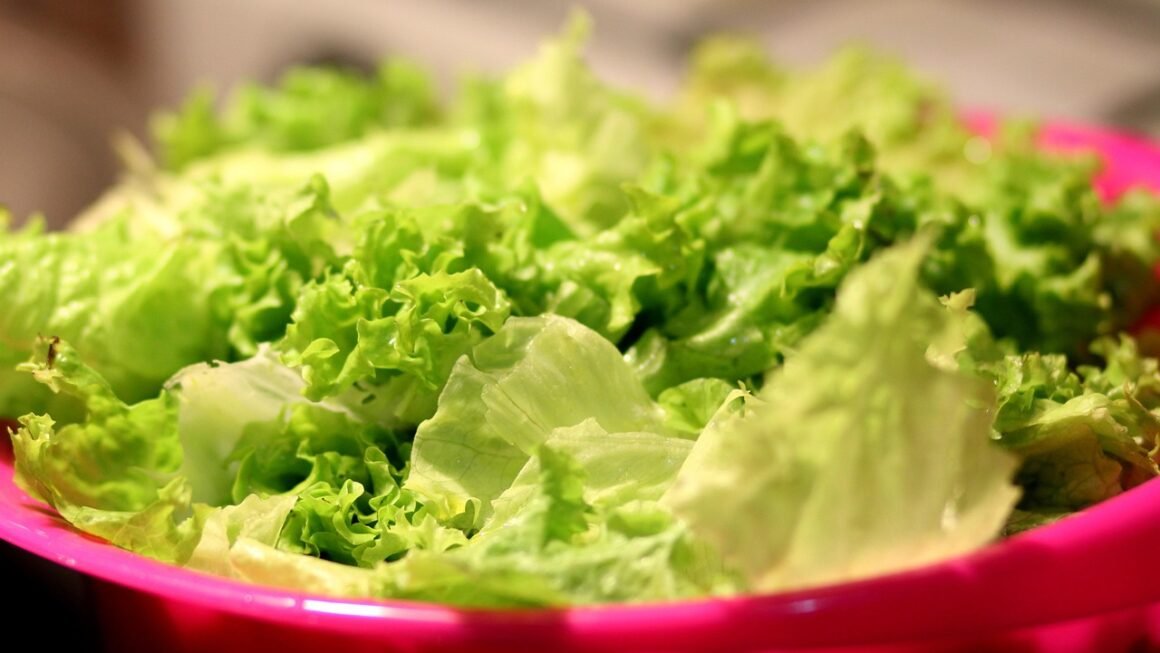
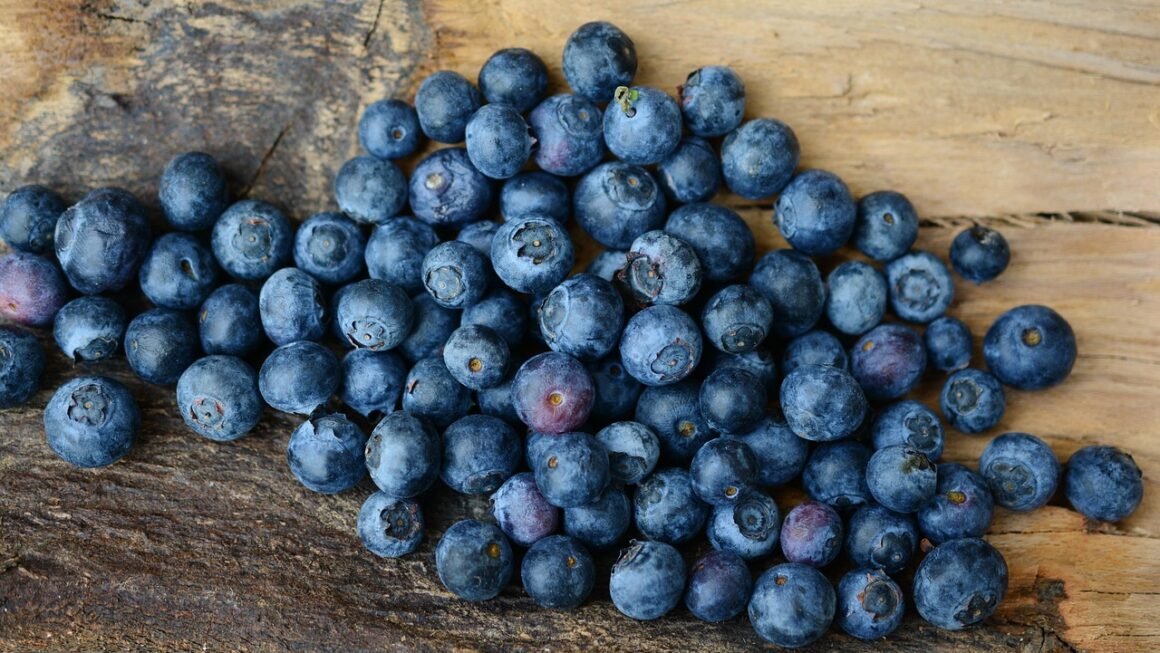
- Fruits and Vegetables: Aim for 4-5 servings of each per day. They are rich in potassium, magnesium, and fiber.
Example: A serving could be a medium apple, a cup of berries, or half a cup of cooked vegetables.
- Whole Grains: Choose whole-wheat bread, brown rice, and oats over refined grains. Aim for 6-8 servings per day.
Example: A serving could be a slice of whole-wheat bread or half a cup of cooked brown rice.
- Low-Fat Dairy: Opt for skim milk, yogurt, and low-fat cheese. Aim for 2-3 servings per day. These provide calcium and vitamin D.
Example: A serving could be a cup of skim milk or a container of low-fat yogurt.
- Lean Protein: Include lean meats, poultry without skin, and fish. Limit red meat consumption.
Example: A serving could be 3 ounces of grilled chicken breast or baked fish.
- Nuts, Seeds, and Legumes: These are good sources of magnesium and potassium. Aim for 4-5 servings per week.
* Example: A serving could be a handful of almonds or half a cup of cooked beans.
Practical Tips for Following the DASH Diet
- Start Slowly: Gradually incorporate more fruits, vegetables, and whole grains into your diet.
- Read Labels: Pay attention to sodium, saturated fat, and sugar content on food labels.
- Cook at Home: This gives you more control over ingredients and portion sizes.
- Plan Meals: Meal planning helps you make healthier choices throughout the week.
- Seek Support: Consult a registered dietitian for personalized guidance.
Reducing Sodium Intake
Why is Sodium Harmful for Blood Pressure?
Sodium causes the body to retain excess fluid, increasing blood volume and putting extra strain on the cardiovascular system. This leads to elevated blood pressure. The American Heart Association recommends limiting sodium intake to no more than 2,300 milligrams (mg) per day for most adults and ideally reducing it to 1,500 mg per day for people with high blood pressure.
Strategies for Lowering Sodium Consumption
- Read Food Labels: Check the sodium content of packaged foods and choose lower-sodium options.
- Limit Processed Foods: Processed foods are often high in sodium. Avoid or reduce consumption of canned soups, processed meats, and frozen meals.
- Cook at Home: Cooking at home allows you to control the amount of sodium in your meals.
- Use Herbs and Spices: Flavor your food with herbs, spices, and citrus juices instead of salt.
- Rinse Canned Foods: Rinsing canned beans and vegetables can remove some of the sodium.
- Avoid Adding Salt at the Table: Removing the salt shaker from the table can help reduce sodium intake.
Examples of High-Sodium Foods to Avoid
- Processed meats (bacon, sausage, deli meats)
- Canned soups and vegetables
- Frozen meals
- Snack foods (chips, pretzels)
- Fast food
Increasing Potassium Intake
The Importance of Potassium
Potassium helps balance sodium levels in the body, promoting vasodilation (widening of blood vessels) and lowering blood pressure. Many people don’t consume enough potassium in their diets.
Potassium-Rich Foods to Include in Your Diet
- Fruits: Bananas, oranges, cantaloupe, apricots
- Vegetables: Sweet potatoes, spinach, tomatoes, avocados
- Legumes: Beans, lentils
- Dairy: Milk, yogurt
Practical Tips for Increasing Potassium Intake
- Start Your Day with a Banana: Add a banana to your breakfast cereal or smoothie.
- Snack on Fruits and Vegetables: Keep potassium-rich fruits and vegetables readily available for snacking.
- Choose Sweet Potatoes Over Regular Potatoes: Sweet potatoes are a better source of potassium.
- Add Beans to Your Meals: Beans are a versatile and potassium-rich ingredient that can be added to soups, salads, and side dishes.
Other Important Dietary Considerations
Limiting Saturated and Trans Fats
Saturated and trans fats can raise cholesterol levels, which can contribute to high blood pressure and heart disease.
- Sources of Saturated Fat: Red meat, full-fat dairy products, butter, coconut oil
- Sources of Trans Fat: Fried foods, processed snacks, baked goods
Maintaining a Healthy Weight
Being overweight or obese puts extra strain on the heart, increasing blood pressure. Losing even a small amount of weight can have a significant impact on blood pressure.
- Set Realistic Goals: Aim for gradual weight loss through a combination of diet and exercise.
- Portion Control: Pay attention to portion sizes and avoid overeating.
- Regular Physical Activity: Aim for at least 150 minutes of moderate-intensity exercise per week.
Limiting Alcohol Consumption
Excessive alcohol consumption can raise blood pressure. The American Heart Association recommends limiting alcohol intake to one drink per day for women and two drinks per day for men.
- One Drink Equivalents: 12 ounces of beer, 5 ounces of wine, or 1.5 ounces of liquor.
Conclusion
Managing blood pressure through diet is a powerful tool for improving your overall health. By adopting the principles of the DASH diet, reducing sodium intake, increasing potassium consumption, and making other healthy dietary choices, you can significantly lower your risk of hypertension and its associated complications. Remember to consult with a healthcare professional or registered dietitian for personalized guidance tailored to your specific needs.