The DASH diet, short for Dietary Approaches to Stop Hypertension, isn’t just another fleeting health trend. It’s a scientifically-backed eating plan designed to help lower blood pressure and improve overall cardiovascular health. This evidence-based approach focuses on incorporating nutrient-rich foods while limiting those high in sodium, saturated fat, and cholesterol. Whether you’re actively managing hypertension or simply seeking a healthier lifestyle, understanding the DASH diet can be a game-changer.
Understanding the DASH Diet
The DASH diet is more than just a low-sodium diet; it’s a holistic approach to eating that emphasizes specific food groups and portion sizes. It’s about creating a sustainable eating pattern that promotes long-term health benefits. Think of it as a blueprint for healthy eating rather than a restrictive set of rules.
Key Principles of the DASH Diet
The core of the DASH diet revolves around increasing the intake of certain foods while decreasing others. Here’s a breakdown:
- Increase:
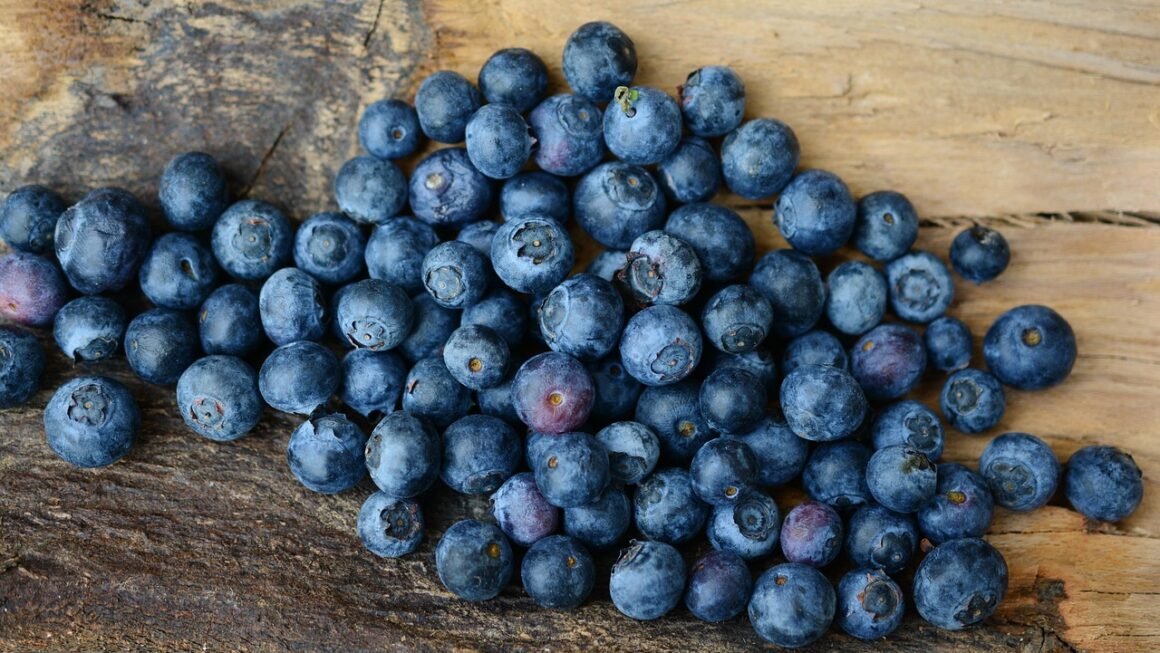
Fruits (4-5 servings per day) – Examples: Apples, bananas, berries, oranges.
Vegetables (4-5 servings per day) – Examples: Broccoli, carrots, spinach, tomatoes.
Whole grains (6-8 servings per day) – Examples: Brown rice, whole-wheat bread, oatmeal.
Lean protein (6 or fewer servings per day) – Examples: Chicken, fish, beans, tofu.
Low-fat or fat-free dairy (2-3 servings per day) – Examples: Milk, yogurt, cheese.
- Decrease:
Sodium (aim for less than 2,300 mg per day, ideally less than 1,500 mg) – Read labels carefully!
Saturated fat (limit fatty meats, full-fat dairy, and tropical oils like coconut and palm oil).
Added sugars (found in sodas, candy, and processed foods).
How it Works: Nutritional Powerhouse
The DASH diet works because it’s packed with nutrients known to support healthy blood pressure levels.
- Potassium: Found in abundance in fruits and vegetables, potassium helps to balance sodium levels and relax blood vessels. Example: A banana offers about 422 mg of potassium.
- Magnesium: Nuts, seeds, and leafy green vegetables are excellent sources of magnesium, which plays a vital role in regulating blood pressure. Example: 1 ounce of almonds provides approximately 20% of your daily magnesium needs.
- Calcium: Low-fat dairy products provide calcium, contributing to healthy blood vessel function. Example: 1 cup of low-fat milk contains about 300mg of calcium.
- Fiber: Whole grains and vegetables are rich in fiber, which helps to lower cholesterol and improve overall cardiovascular health. Example: A serving of oatmeal has around 4 grams of fiber.
Benefits Beyond Blood Pressure
While the DASH diet is primarily known for its impact on blood pressure, its benefits extend far beyond that. It’s a comprehensive approach to healthy eating with numerous positive effects on overall well-being.
Cardiovascular Health
- Lowering Cholesterol: By limiting saturated and trans fats, the DASH diet helps to reduce LDL (bad) cholesterol levels, a major risk factor for heart disease.
- Reducing Risk of Stroke: Studies have shown that adherence to the DASH diet can significantly reduce the risk of stroke.
- Improving Arterial Health: The nutrient-rich foods in the DASH diet contribute to the health and flexibility of arteries.
Weight Management
- Naturally Lower in Calories: The emphasis on fruits, vegetables, and whole grains typically leads to a lower overall calorie intake.
- Increased Satiety: Fiber-rich foods promote feelings of fullness, helping to manage hunger and prevent overeating.
Other Health Benefits
- Reduced Risk of Type 2 Diabetes: The focus on whole grains and controlled portions helps to regulate blood sugar levels.
- Improved Bone Health: The calcium and magnesium-rich foods in the DASH diet contribute to strong bones.
- Potential Cancer Prevention: Some studies suggest that the high intake of fruits and vegetables may lower the risk of certain cancers.
Implementing the DASH Diet: Practical Tips
Transitioning to the DASH diet doesn’t have to be overwhelming. Small, gradual changes can make a big difference. Here are some practical tips to get started:
Grocery Shopping Strategies
- Read Labels: Pay close attention to sodium content on food labels. Choose low-sodium options whenever possible. Aim for less than 140mg sodium per serving.
- Shop the Perimeter: Focus on fresh produce, lean meats, and whole grains, which are typically found around the edges of the grocery store.
- Plan Your Meals: Planning your meals in advance helps you make healthier choices and avoid impulse purchases.
Meal Planning Ideas
- Breakfast: Oatmeal with berries and nuts, a whole-wheat toast with avocado, or a smoothie with fruit and low-fat yogurt.
- Lunch: Salad with grilled chicken or fish, a whole-wheat sandwich with lean turkey and vegetables, or lentil soup.
- Dinner: Baked salmon with roasted vegetables, chicken stir-fry with brown rice, or a vegetarian chili.
- Snacks: Fruits, vegetables with hummus, a handful of nuts, or low-fat yogurt.
Cooking Techniques
- Use Herbs and Spices: Flavor your food with herbs, spices, and lemon juice instead of salt. Experiment with different flavor combinations.
- Cook at Home: Preparing your own meals gives you control over ingredients and portion sizes.
- Steam, Bake, or Grill: Choose healthier cooking methods over frying.
DASH Diet Variations and Considerations
While the core principles remain consistent, there are variations and considerations to keep in mind when following the DASH diet.
Sodium Levels: Standard vs. Lower Sodium
- Standard DASH Diet: Limits sodium to 2,300 mg per day.
- Lower-Sodium DASH Diet: Limits sodium to 1,500 mg per day. This version may be more effective for those with significant hypertension.
Talk to your doctor or a registered dietitian to determine which sodium level is appropriate for you.
Adapting for Dietary Restrictions
- Vegetarian/Vegan DASH Diet: Replace meat with plant-based protein sources such as beans, lentils, tofu, and tempeh. Ensure adequate intake of vitamin B12.
- Gluten-Free DASH Diet: Choose gluten-free whole grains such as quinoa, brown rice, and oats.
Consulting a Healthcare Professional
It’s always a good idea to consult with your doctor or a registered dietitian before making significant changes to your diet, especially if you have underlying health conditions or are taking medications. They can help you personalize the DASH diet to meet your specific needs.
Conclusion
The DASH diet is a powerful tool for improving blood pressure and overall health. By focusing on nutrient-rich foods and limiting sodium, saturated fat, and added sugars, it provides a sustainable and effective approach to healthy eating. Implementing the DASH diet involves gradual changes and mindful choices, but the long-term benefits are well worth the effort. Whether you’re managing hypertension or simply striving for a healthier lifestyle, the DASH diet offers a roadmap to a brighter and healthier future. Start small, stay consistent, and enjoy the journey toward better health!