The DASH diet isn’t just another fleeting trend; it’s a science-backed, doctor-recommended eating plan designed to improve your health and well-being. Short for Dietary Approaches to Stop Hypertension, the DASH diet focuses on real, whole foods to help lower blood pressure and improve overall heart health. If you’re looking for a sustainable, healthy way to eat, keep reading to discover how the DASH diet can transform your life.
Understanding the DASH Diet: A Foundation for Health
What is the DASH Diet?
The DASH diet is a dietary pattern specifically designed to help lower blood pressure and improve cardiovascular health. It’s not a weight-loss diet, although many people find that they naturally lose weight while following it. Instead, it emphasizes consuming nutrient-rich foods while limiting sodium, saturated fat, and added sugars. It prioritizes fruits, vegetables, whole grains, lean protein, and low-fat dairy. The key principle is to eat a balanced diet that supports long-term health.
Key Principles of the DASH Diet
- Lower Sodium Intake: Limiting sodium is crucial for lowering blood pressure. The standard DASH diet recommends no more than 2,300 milligrams of sodium per day, while the lower-sodium version caps it at 1,500 milligrams.
- Increase Potassium Intake: Potassium helps balance sodium levels in the body and is abundant in fruits and vegetables.
- Prioritize Whole Foods: Focus on minimally processed foods to maximize nutrient intake and avoid unhealthy additives.
- Limit Saturated Fat: Choose lean protein sources and low-fat dairy to reduce your intake of saturated fats, which can raise cholesterol levels.
- Moderate Alcohol Consumption: If you drink alcohol, do so in moderation – no more than one drink per day for women and two drinks per day for men.
Differences Between DASH and Other Diets
Unlike some fad diets that promise rapid weight loss, the DASH diet is a sustainable eating pattern backed by scientific evidence. It doesn’t involve restrictive calorie counting or eliminating entire food groups. It’s more of a lifestyle change than a temporary fix. Compared to the Mediterranean diet, DASH is less specific about healthy fats (though it still encourages them), and more targeted at reducing sodium intake and overall blood pressure. It’s a balanced approach that makes it easier to incorporate into your daily routine.
The Benefits of Following the DASH Diet
Cardiovascular Health Improvements
The primary goal of the DASH diet is to lower blood pressure, and studies have consistently shown its effectiveness. For example, research published in the New England Journal of Medicine found that the DASH diet significantly reduced blood pressure in participants with and without hypertension.
- Lowers Blood Pressure: Reduces both systolic and diastolic blood pressure, leading to improved heart health.
- Reduces LDL Cholesterol: Helps lower LDL (“bad”) cholesterol levels, reducing the risk of heart disease.
- Improves Overall Heart Health: By addressing multiple risk factors, the DASH diet can significantly reduce the risk of cardiovascular events.
Weight Management Benefits
While not specifically designed for weight loss, many people find that they naturally lose weight when following the DASH diet due to its emphasis on whole, unprocessed foods and limited added sugars.
- Promotes Satiety: High-fiber foods like fruits, vegetables, and whole grains help you feel full and satisfied, reducing overeating.
- Reduces Calorie Intake: By limiting processed foods and sugary drinks, you naturally reduce your overall calorie intake.
- Supports Sustainable Weight Loss: The DASH diet’s balanced approach makes it easier to stick to in the long term, promoting gradual and sustainable weight loss.
Other Health Benefits
Beyond cardiovascular health and weight management, the DASH diet offers a range of other health benefits.
- Reduces Risk of Type 2 Diabetes: Helps improve insulin sensitivity and blood sugar control, reducing the risk of developing type 2 diabetes.
- Protects Kidney Health: By lowering blood pressure and improving metabolic health, the DASH diet can help protect kidney function.
- May Reduce Risk of Certain Cancers: Some studies suggest that the DASH diet may be associated with a reduced risk of certain types of cancer, such as colorectal cancer.
Implementing the DASH Diet: A Practical Guide
Foods to Include
Focus on incorporating these foods into your daily meals and snacks:
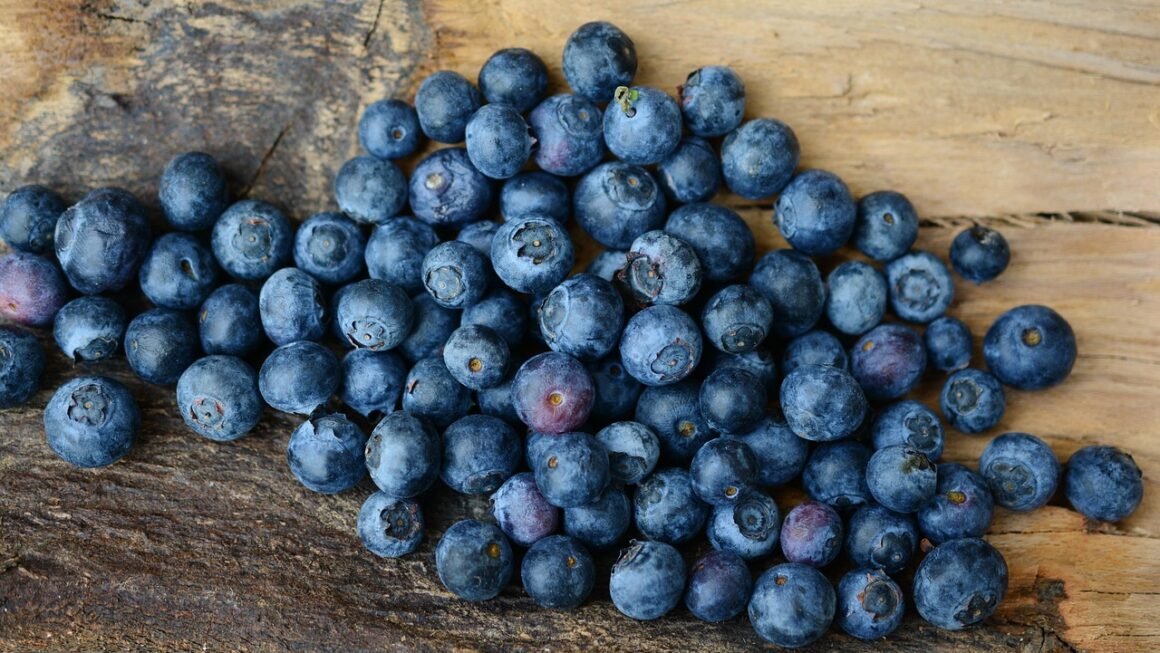
- Fruits: Aim for 4-5 servings per day. Examples include apples, bananas, berries, grapes, and oranges.
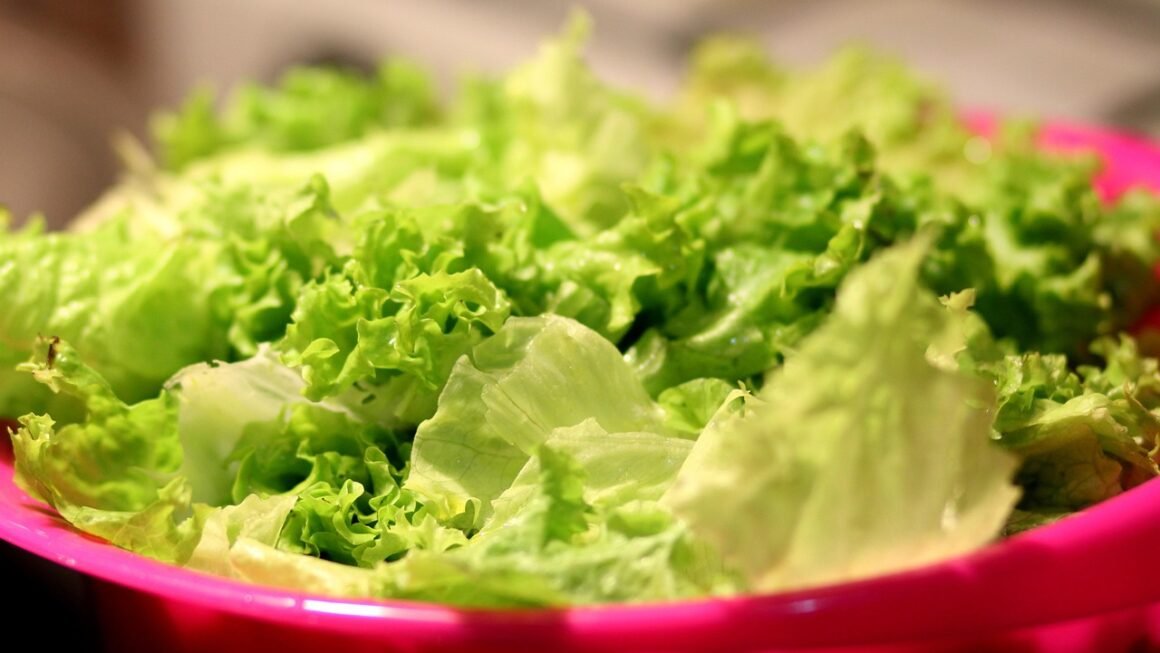
- Vegetables: Aim for 4-5 servings per day. Examples include broccoli, carrots, spinach, tomatoes, and peppers.
- Whole Grains: Aim for 6-8 servings per day. Examples include brown rice, whole-wheat bread, oatmeal, and quinoa.
- Lean Protein: Aim for 6 ounces or less per day. Examples include chicken, fish, beans, lentils, and tofu.
- Low-Fat Dairy: Aim for 2-3 servings per day. Examples include skim milk, yogurt, and low-fat cheese.
- Nuts, Seeds, and Legumes: Aim for 4-5 servings per week. These are great sources of healthy fats and protein.
Foods to Limit
To maximize the benefits of the DASH diet, limit these foods:
- High-Sodium Foods: Processed foods, canned soups, salty snacks, and cured meats. Check labels carefully and choose low-sodium options whenever possible.
- Saturated and Trans Fats: Fatty meats, full-fat dairy products, fried foods, and processed snacks.
- Added Sugars: Sugary drinks, candy, pastries, and desserts. Opt for natural sweeteners like fruit or honey in moderation.
- Alcohol: Limit alcohol consumption to one drink per day for women and two drinks per day for men.
Sample Meal Plans and Recipes
Here’s a sample one-day meal plan to get you started:
- Breakfast: Oatmeal with berries and nuts.
- Lunch: Salad with grilled chicken or chickpeas, mixed greens, and a light vinaigrette dressing.
- Dinner: Baked salmon with roasted vegetables (broccoli, carrots, and bell peppers) and quinoa.
- Snacks: Apple slices with peanut butter, a handful of almonds, or a low-fat yogurt.
Try these simple recipes:
- DASH-Friendly Chili: Use lean ground turkey or beans, diced tomatoes, onions, peppers, and spices. Season lightly with salt and pepper.
- Baked Sweet Potato Fries: Toss sweet potato wedges with olive oil and spices (like paprika and garlic powder) and bake until crispy.
Overcoming Challenges and Staying Consistent
Common Pitfalls and How to Avoid Them
- Sodium Overload: Be mindful of hidden sodium in processed foods. Cook more meals at home to control sodium levels. Read nutrition labels carefully.
- Cravings for Unhealthy Foods: Satisfy cravings with healthier alternatives, such as fruit for sweets or nuts for salty snacks.
- Lack of Planning: Meal prepping and planning ahead can help you stay on track. Prepare meals and snacks in advance to avoid impulsive unhealthy choices.
- Social Events: Make smart choices when eating out or attending social gatherings. Choose grilled or baked options, ask for sauces on the side, and avoid fried foods.
Tips for Long-Term Success
- Start Gradually: Make small, gradual changes to your diet rather than trying to overhaul it overnight.
- Find Support: Enlist the support of friends, family, or a registered dietitian to help you stay motivated.
- Track Your Progress: Keep a food diary or use a tracking app to monitor your food intake and identify areas for improvement.
- Celebrate Successes: Acknowledge and celebrate your accomplishments, no matter how small. Reward yourself with non-food treats.
- Be Patient: It takes time to see the full benefits of the DASH diet. Be patient and persistent, and you will eventually see positive changes in your health.
Consulting Healthcare Professionals
Before making any major changes to your diet, especially if you have existing health conditions, it’s always best to consult with a healthcare professional or a registered dietitian. They can provide personalized guidance and help you tailor the DASH diet to your specific needs and health goals. They can also monitor your progress and make adjustments as needed to ensure that you are getting the maximum benefits from the diet. This is particularly important if you are taking medication for high blood pressure or other health conditions.
Conclusion
The DASH diet offers a sustainable and effective way to improve your health, particularly your cardiovascular health. By focusing on whole, nutrient-rich foods and limiting sodium, saturated fat, and added sugars, you can lower your blood pressure, manage your weight, and reduce your risk of chronic diseases. While implementing the DASH diet may require some adjustments to your eating habits, the long-term benefits are well worth the effort. Start making small, gradual changes today, and you’ll be well on your way to a healthier and happier you. Remember to consult with a healthcare professional for personalized advice and support.