Clean fasting has emerged as a popular approach to intermittent fasting, emphasizing not only when you eat, but also what you consume during your eating window. It’s more than just restricting calories; it’s about choosing foods that nourish your body and support your fasting goals. This approach aims to maximize the benefits of fasting while minimizing potential drawbacks. Let’s dive into the specifics of clean fasting and explore how it can enhance your health journey.
Understanding Clean Fasting
What is Clean Fasting?
Clean fasting is a modified approach to intermittent fasting (IF) where, during the fasting window, you restrict yourself to only water, black coffee, plain tea, or other zero-calorie, non-insulinogenic beverages. The idea is to allow your body to fully reap the metabolic benefits of fasting, such as autophagy and fat burning, without disrupting the fasted state.
- Key Distinction: Unlike traditional fasting, where only water is allowed, clean fasting permits a small selection of beverages.
- Goal: To minimize insulin response and maintain the body’s ability to tap into fat stores for energy.
Why Choose Clean Fasting?
Many people opt for clean fasting to enhance their intermittent fasting experience. It can make the process more sustainable and enjoyable while still achieving the desired health outcomes.
- Improved Fat Burning: By maintaining low insulin levels, your body can more easily access and burn stored fat.
- Enhanced Autophagy: The body’s cellular cleanup process, autophagy, is optimized during fasting, promoting cellular health and longevity.
- Reduced Hunger and Cravings: Black coffee and tea can help suppress appetite, making fasting periods easier to manage.
- Better Mental Clarity: Some individuals report improved focus and mental clarity during clean fasting periods.
What You Can and Cannot Consume
Approved Beverages
The core principle of clean fasting is consuming items that have virtually no impact on insulin levels. Here’s what’s generally considered acceptable:
- Water: The cornerstone of any fasting protocol. Stay hydrated!
- Black Coffee: Without sugar, cream, or milk. The caffeine can also boost metabolism.
- Plain Tea: Herbal teas, green tea, and black tea are all acceptable, as long as they are unsweetened.
- Electrolyte Water: Small amounts of electrolytes can help prevent headaches and fatigue during longer fasting periods.
Foods and Beverages to Avoid
To maintain a true fasted state, these items should be avoided during the fasting window:
- Any Calories: Even small amounts of calories can trigger an insulin response.
- Artificial Sweeteners: Although technically zero-calorie, some artificial sweeteners can still impact insulin levels.
- Cream or Milk: These will break your fast due to their caloric and carbohydrate content.
- Sugar: Even a small amount of sugar will drastically raise insulin levels.
- Broths or Bone Broths: These contain amino acids and nutrients that can stimulate digestion and break your fast.
- Fat Bombs/Bulletproof Coffee: Although popular in some keto circles, these introduce calories and fats that interrupt the fasting state.
- Example: Instead of adding a splash of creamer to your coffee, opt for black coffee or unsweetened herbal tea during your fasting window.
Optimizing Your Clean Fasting Protocol
Choosing the Right Fasting Schedule
Clean fasting can be incorporated into various intermittent fasting schedules. The best schedule depends on individual preferences and lifestyles.
- 16/8 Method: Fast for 16 hours and eat during an 8-hour window. This is a popular starting point.
- 5:2 Diet: Eat normally for 5 days a week and restrict calories to around 500-600 for 2 days.
- Alternate-Day Fasting: Fast every other day. This is a more advanced protocol.
- Example: If you choose the 16/8 method, you might eat between 12 PM and 8 PM, restricting yourself to clean fasting beverages outside of those hours.
The Importance of Hydration
Staying well-hydrated is crucial during clean fasting. Dehydration can lead to headaches, fatigue, and decreased cognitive function.
- Aim for 8-10 glasses of water per day: Adjust based on your activity level and climate.
- Add electrolytes: Consider adding a pinch of sea salt or an electrolyte supplement to your water, especially during longer fasts.
Listen to Your Body
Pay attention to how your body responds to clean fasting. Adjust your schedule or approach as needed.
- Start slowly: Gradually increase the length of your fasting periods to allow your body to adapt.
- Monitor your energy levels and mood: If you experience excessive fatigue or mood swings, consider adjusting your fasting schedule or re-evaluating your diet during your eating window.
Potential Benefits and Drawbacks
Health Benefits of Clean Fasting
Clean fasting can offer several potential health benefits, similar to traditional intermittent fasting, but potentially enhanced due to the avoidance of even small amounts of calories that might stimulate an insulin response.
- Weight Management: By promoting fat burning and reducing overall calorie intake, clean fasting can aid in weight loss.
- Improved Insulin Sensitivity: Regular fasting can improve your body’s response to insulin, reducing the risk of type 2 diabetes.
- Enhanced Brain Health: Studies suggest that intermittent fasting may improve cognitive function and protect against neurodegenerative diseases.
- Reduced Inflammation: Fasting can help reduce inflammation throughout the body, potentially lowering the risk of chronic diseases.
Potential Drawbacks and Considerations
While clean fasting can be beneficial, it’s essential to be aware of potential drawbacks and considerations.
- Nutrient Deficiencies: If not properly planned, intermittent fasting can lead to nutrient deficiencies. Ensure you’re consuming a balanced and nutrient-dense diet during your eating window.
- Muscle Loss: Prolonged fasting without adequate protein intake can lead to muscle loss. Prioritize protein-rich foods during your eating window.
- Dehydration: As mentioned earlier, dehydration is a common concern during fasting. Stay well-hydrated.
- Not Suitable for Everyone: Clean fasting may not be suitable for pregnant or breastfeeding women, individuals with eating disorders, or those with certain medical conditions. Consult with a healthcare professional before starting any fasting protocol.
- Example: If you notice increased muscle soreness or weakness, make sure you are consuming enough protein during your eating window.
Implementing Clean Fasting Successfully
Planning Your Meals
Proper meal planning during your eating window is essential to ensure you are meeting your nutritional needs and supporting your fasting goals.
- Prioritize Whole Foods: Focus on nutrient-dense, unprocessed foods such as fruits, vegetables, lean proteins, and healthy fats.
- Adequate Protein Intake: Aim for 0.8-1 gram of protein per pound of body weight to support muscle maintenance and satiety.
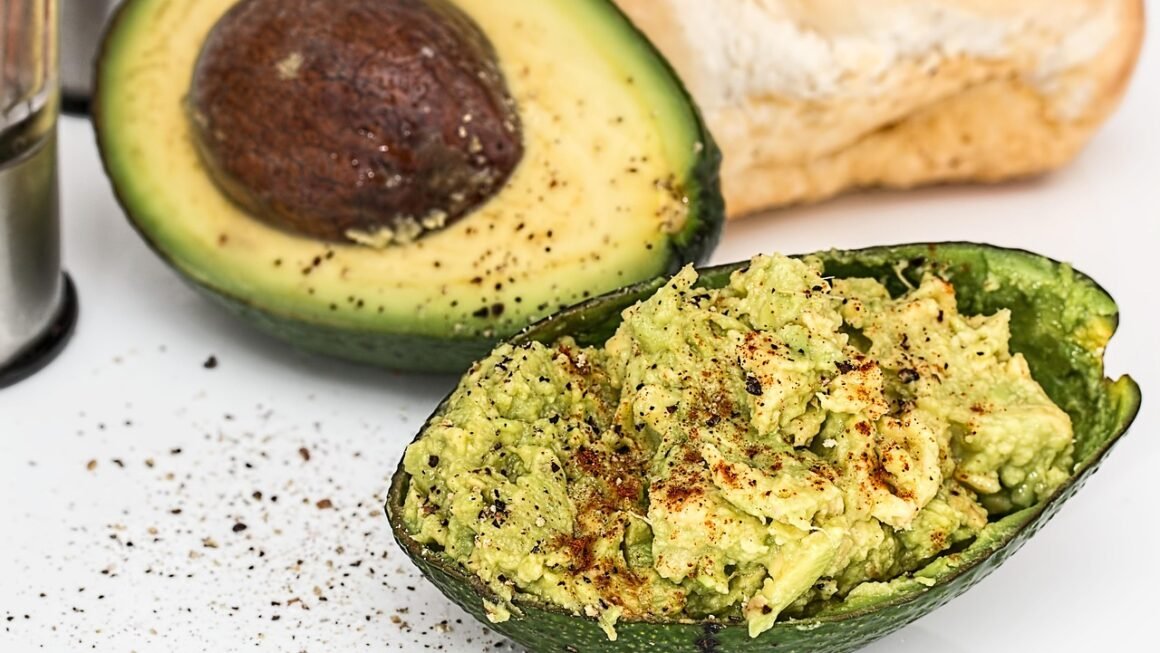
- Healthy Fats: Include healthy fats like avocados, nuts, seeds, and olive oil to support hormone production and overall health.
- Limit Processed Foods: Minimize your intake of processed foods, sugary drinks, and unhealthy fats, as these can hinder your fasting goals.
Tracking Your Progress
Tracking your progress can help you stay motivated and make adjustments to your clean fasting protocol as needed.
- Weight and Measurements: Monitor your weight and body measurements regularly to track your progress.
- Energy Levels and Mood: Pay attention to your energy levels, mood, and overall well-being.
- Food Journal: Keep a food journal to track your food intake and identify any areas for improvement.
- Use a Fasting App: Utilize a fasting app to track your fasting periods and monitor your progress.
- Actionable Takeaway: Start with a 12-hour fasting window and gradually increase it by an hour each day or week until you reach your desired fasting duration.
Conclusion
Clean fasting offers a nuanced approach to intermittent fasting, emphasizing the quality of your intake during your fasting periods to maximize benefits. By understanding the principles, carefully planning your meals, and listening to your body, you can effectively incorporate clean fasting into your lifestyle and potentially reap significant health benefits. Remember to consult with a healthcare professional before making any significant changes to your diet or lifestyle.