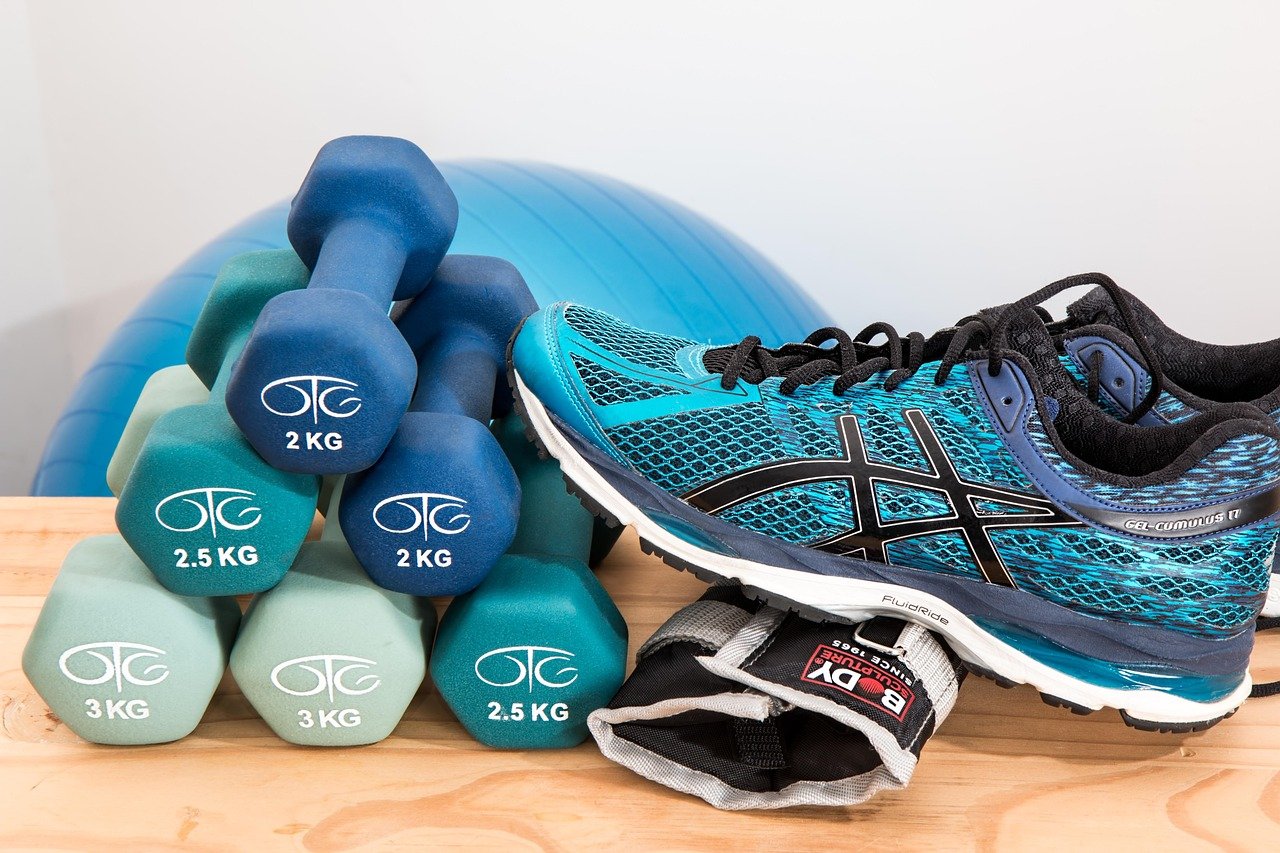
A well-structured cardio plan is the cornerstone of a healthy lifestyle, boosting not just your physical fitness but also your mental well-being. Whether you’re aiming to shed pounds, improve cardiovascular health, or simply increase your energy levels, a tailored cardio regimen is essential. This guide will provide you with the information you need to design a cardio plan that aligns with your fitness goals and keeps you motivated along the way.
Understanding the Importance of Cardio
What is Cardio and Why is it Beneficial?
Cardio, short for cardiovascular exercise, encompasses any activity that elevates your heart rate and breathing. These activities engage large muscle groups, making your heart and lungs work harder to deliver oxygen to your muscles. The benefits are numerous and impactful.
- Improved Cardiovascular Health: Cardio strengthens your heart, reducing the risk of heart disease, stroke, and other cardiovascular problems.
- Weight Management: Cardio burns calories, helping you to lose weight or maintain a healthy weight. A study published in the Journal of the American Medical Association showed that regular cardio can significantly contribute to weight loss when combined with a balanced diet.
- Increased Energy Levels: Regular cardio can combat fatigue and boost energy levels throughout the day.
- Improved Mood: Cardio releases endorphins, which have mood-boosting effects and can help reduce stress and anxiety.
- Reduced Risk of Chronic Diseases: Cardio can help prevent or manage chronic conditions like diabetes, high blood pressure, and some types of cancer.
Different Types of Cardio
Cardio activities are diverse, catering to various preferences and fitness levels. Here are some popular options:
- Running/Jogging: A classic and effective cardio workout that can be easily modified to suit different fitness levels.
- Swimming: A low-impact option that is gentle on the joints, making it ideal for people with injuries or joint pain.
- Cycling: Another low-impact activity that can be done indoors or outdoors.
- Walking: A simple and accessible cardio exercise that can be incorporated into daily routines.
- Dancing: A fun and engaging way to get your heart rate up.
- High-Intensity Interval Training (HIIT): Short bursts of intense exercise followed by brief recovery periods. HIIT is a highly effective method for burning calories and improving cardiovascular fitness in a short amount of time.
Designing Your Cardio Plan
Setting Realistic Goals
Before starting any cardio plan, it’s crucial to set realistic and achievable goals. These goals will serve as your motivation and help you track your progress.
- Be Specific: Instead of saying “I want to lose weight,” aim for “I want to lose 1-2 pounds per week.”
- Be Measurable: Set quantifiable targets that you can easily track, such as running a specific distance or reducing your resting heart rate.
- Be Achievable: Start with goals that are within your reach and gradually increase the difficulty as you improve.
- Be Relevant: Ensure your goals align with your overall fitness objectives and lifestyle.
- Be Time-Bound: Set a deadline for achieving your goals to stay focused and motivated. For example, “I want to be able to run a 5k in 3 months.”
Choosing the Right Cardio Activities
Select cardio activities that you enjoy and that fit into your lifestyle. Consider factors like your fitness level, available time, and access to equipment or facilities.
- Consider Your Fitness Level: If you are new to exercise, start with low-impact activities like walking or swimming.
- Think About Your Preferences: Choose activities that you find enjoyable to increase your chances of sticking to your plan.
- Factor in Your Time Constraints: If you have limited time, consider HIIT workouts, which are short and efficient.
- Assess Your Access to Facilities: If you don’t have access to a gym, opt for outdoor activities like running or cycling.
Determining Frequency, Intensity, and Duration
The frequency, intensity, and duration of your cardio workouts will depend on your fitness goals and current fitness level.
- Frequency: Aim for at least 150 minutes of moderate-intensity cardio or 75 minutes of vigorous-intensity cardio per week, as recommended by the American Heart Association. This can be broken down into smaller sessions throughout the week. For example, 30 minutes of brisk walking, five days a week.
- Intensity: Monitor your heart rate to ensure you are working at the appropriate intensity. A general guideline is to aim for 50-70% of your maximum heart rate for moderate-intensity cardio and 70-85% for vigorous-intensity cardio.
- Duration: The duration of your workouts will depend on the intensity. Longer, lower-intensity workouts are just as effective as shorter, high-intensity workouts.
Sample Cardio Plan
Here’s a sample cardio plan for beginners:
- Week 1-2:
Monday: 30 minutes of brisk walking
Wednesday: 20 minutes of cycling
Friday: 30 minutes of swimming
- Week 3-4:
Monday: 35 minutes of brisk walking
Wednesday: 25 minutes of cycling
Friday: 35 minutes of swimming
- Week 5-6:
Monday: 40 minutes of brisk walking
Wednesday: 30 minutes of cycling
* Friday: 40 minutes of swimming
Monitoring Your Progress
Tracking Your Workouts
Keeping track of your workouts is essential for monitoring your progress and staying motivated.
- Use a Fitness Tracker: Wearable fitness trackers can automatically track your heart rate, distance, and calories burned.
- Keep a Workout Journal: Record your workouts in a notebook or spreadsheet, noting the activity, duration, intensity, and how you felt.
- Use Fitness Apps: Several apps are available to track your workouts, set goals, and monitor your progress.
Assessing Your Results
Regularly assess your results to determine if you are making progress towards your goals.
- Monitor Your Weight: Weigh yourself regularly to track weight loss or maintenance.
- Measure Your Body Composition: Track changes in your body fat percentage and muscle mass.
- Assess Your Cardiovascular Fitness: Monitor your resting heart rate and your ability to perform cardio activities.
- Evaluate Your Overall Well-being: Pay attention to changes in your energy levels, mood, and sleep quality.
Adjusting Your Plan as Needed
Be prepared to adjust your cardio plan as needed based on your progress, fitness level, and any injuries or limitations.
- Increase the Intensity: As you get fitter, gradually increase the intensity of your workouts by adding hills, increasing your speed, or trying HIIT.
- Increase the Duration: Gradually increase the duration of your workouts as you build endurance.
- Try New Activities: Vary your cardio activities to prevent boredom and work different muscle groups.
- Listen to Your Body: Rest when you need to and avoid pushing yourself too hard.
Staying Motivated
Finding an Exercise Buddy
Working out with a friend or family member can provide motivation and accountability.
- Set Goals Together: Set shared fitness goals and support each other in achieving them.
- Schedule Workouts: Make exercise a social activity by scheduling regular workout sessions together.
- Offer Encouragement: Encourage each other to stay on track and celebrate each other’s successes.
Setting Achievable Milestones
Setting small, achievable milestones along the way can help you stay motivated and build momentum.
- Reward Yourself: Reward yourself for reaching milestones, but avoid using food as a reward.
- Track Your Progress: Regularly track your progress and celebrate your achievements.
- Focus on the Benefits: Remind yourself of the benefits of cardio, such as improved health, increased energy, and better mood.
Making it Fun
Cardio doesn’t have to be a chore. Find ways to make it enjoyable and engaging.
- Listen to Music or Podcasts: Listen to your favorite music or podcasts while you exercise.
- Watch TV Shows or Movies: Watch your favorite shows or movies while you work out on a treadmill or stationary bike.
- Exercise Outdoors: Take your workouts outside and enjoy the fresh air and scenery.
- Try Group Fitness Classes: Join a group fitness class to socialize and try new activities.
Safety Considerations
Warming Up and Cooling Down
Always warm up before each cardio workout and cool down afterward.
- Warm-up: A warm-up prepares your muscles for exercise and reduces the risk of injury. A good warm-up should include light cardio and dynamic stretching. Examples include arm circles, leg swings, and torso twists.
- Cool-down: A cool-down helps your body gradually return to its resting state and prevents muscle soreness. A good cool-down should include light cardio and static stretching. Examples include holding stretches for 20-30 seconds.
Staying Hydrated
Drink plenty of water before, during, and after your workouts to stay hydrated. Dehydration can lead to fatigue, muscle cramps, and decreased performance.
- Drink Water Throughout the Day: Aim to drink at least eight glasses of water per day.
- Carry a Water Bottle: Keep a water bottle with you during your workouts and sip on it regularly.
- Consider Electrolyte Drinks: If you are doing a long or intense workout, consider drinking an electrolyte drink to replace lost fluids and minerals.
Listening to Your Body
Pay attention to your body and stop if you experience any pain or discomfort. Pushing yourself too hard can lead to injuries.
- Rest When You Need To: Don’t be afraid to take rest days when you need them.
- Modify Your Workouts: If you are feeling pain, modify your workouts to reduce the stress on your joints and muscles.
- Seek Medical Advice: If you experience persistent pain, seek medical advice from a doctor or physical therapist.
Conclusion
A well-designed cardio plan is essential for improving your cardiovascular health, managing your weight, boosting your energy levels, and enhancing your overall well-being. By understanding the importance of cardio, setting realistic goals, choosing the right activities, monitoring your progress, staying motivated, and prioritizing safety, you can create a cardio plan that works for you and helps you achieve your fitness goals. Remember to consult with a healthcare professional before starting any new exercise program, especially if you have any underlying health conditions. Start slowly, stay consistent, and enjoy the journey to a healthier and fitter you!