Embarking on a journey toward better health and a more sustainable lifestyle? Look no further than the plant-based diet! This isn’t just a trend; it’s a powerful movement reshaping how we think about food and its impact on our bodies and the planet. Whether you’re a seasoned vegetarian or just curious about incorporating more plant-based meals into your routine, this guide will provide you with everything you need to know to thrive on a plant-based diet.
What is a Plant-Based Diet?
Defining Plant-Based
A plant-based diet emphasizes whole, minimally processed foods derived from plants. This includes fruits, vegetables, legumes, nuts, seeds, and whole grains. While the definition can vary from person to person, a common thread is a focus on reducing or eliminating animal products like meat, dairy, and eggs. Some individuals follow a strict vegan diet, excluding all animal products, while others adopt a more flexible approach, incorporating small amounts of animal products occasionally.
Benefits of a Plant-Based Diet
Choosing a plant-based lifestyle can unlock a treasure trove of health benefits. Research consistently demonstrates positive effects on various aspects of well-being.
- Improved Heart Health: Plant-based diets are typically lower in saturated fat and cholesterol, contributing to lower blood pressure and reduced risk of heart disease. A study published in the Journal of the American Heart Association found that people who eat more plant-based foods have a significantly lower risk of cardiovascular disease.
- Weight Management: Plant-based foods are often lower in calories and higher in fiber, promoting satiety and aiding in weight management. The high fiber content also helps regulate blood sugar levels.
- Reduced Risk of Type 2 Diabetes: Plant-based diets can improve insulin sensitivity and help regulate blood sugar levels, lowering the risk of developing type 2 diabetes.
- Improved Digestion: The high fiber content of plant-based foods promotes healthy digestion and can prevent constipation.
- Reduced Risk of Certain Cancers: Studies have linked plant-based diets to a reduced risk of certain cancers, including colon, breast, and prostate cancer. The abundance of antioxidants in plant-based foods plays a crucial role in protecting cells from damage.
Building a Balanced Plant-Based Plate
Focusing on Whole Foods
The cornerstone of a healthy plant-based diet is the consumption of whole, unprocessed foods. Think vibrant fruits and vegetables, hearty legumes, nutritious nuts and seeds, and wholesome grains.
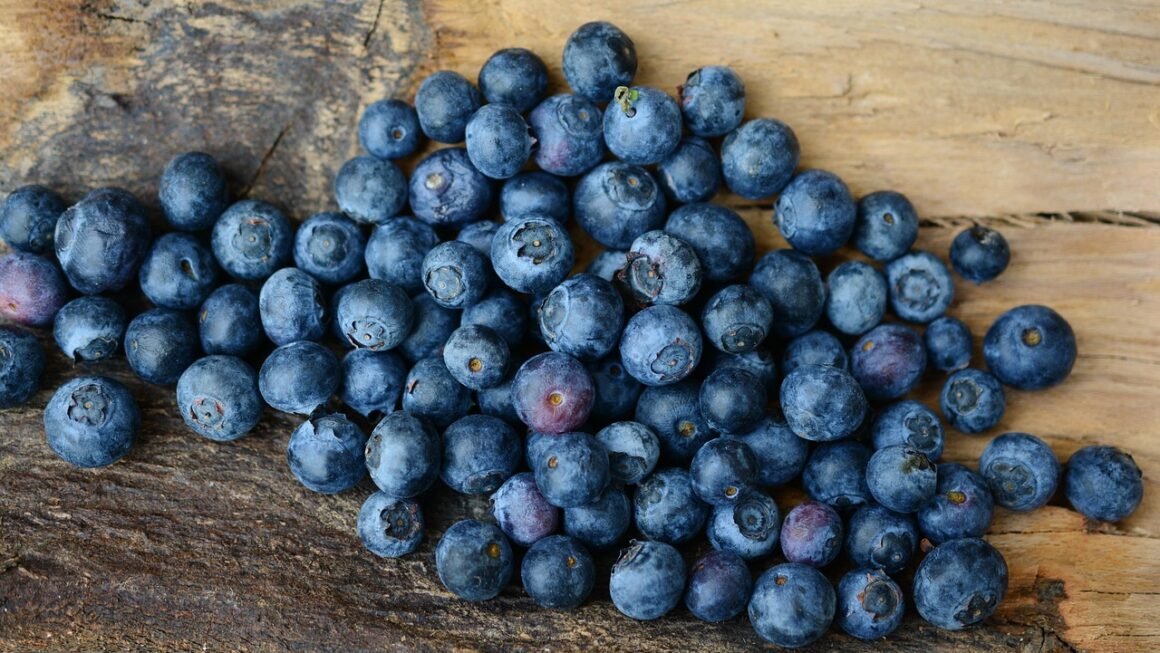
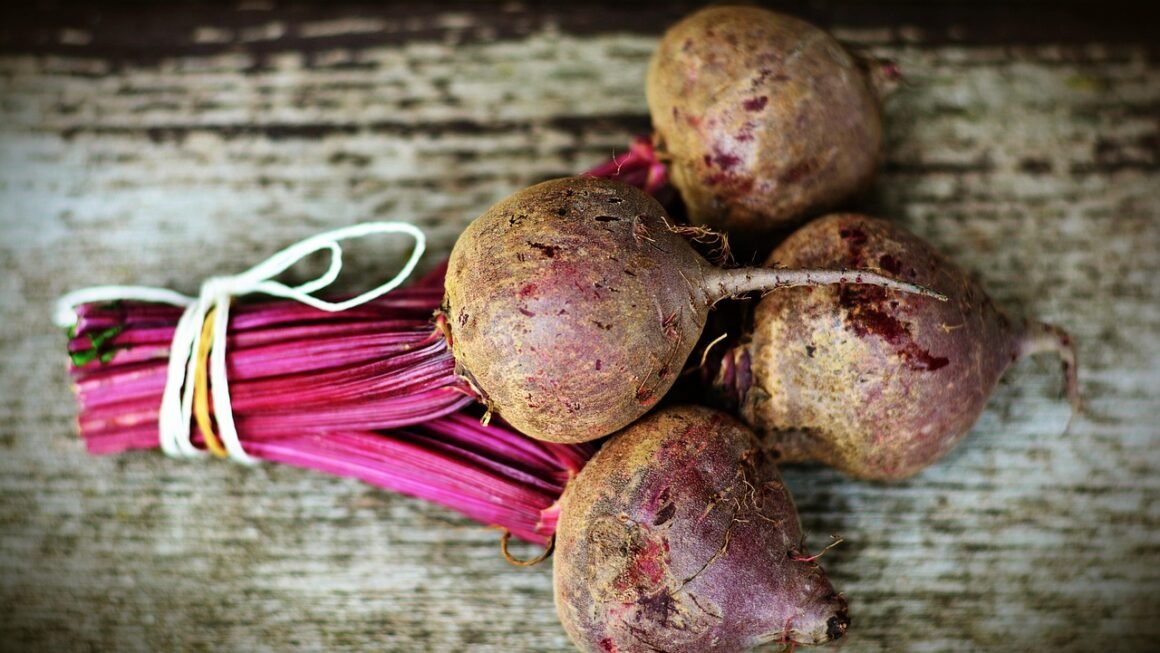
- Fruits & Vegetables: Aim for a rainbow of colors to ensure you’re getting a wide range of vitamins, minerals, and antioxidants. Examples include leafy greens, berries, bell peppers, broccoli, carrots, and sweet potatoes.
- Legumes: Beans, lentils, and peas are excellent sources of protein, fiber, and iron. Incorporate them into soups, stews, salads, or as a meat substitute.
- Nuts & Seeds: These provide healthy fats, protein, and essential minerals. Include almonds, walnuts, chia seeds, flaxseeds, and sunflower seeds in your diet.
- Whole Grains: Opt for whole grains like quinoa, brown rice, oats, and whole-wheat bread. They are rich in fiber and provide sustained energy.
Ensuring Adequate Nutrient Intake
It’s crucial to ensure you’re getting all the essential nutrients on a plant-based diet. Pay particular attention to:
- Protein: Legumes, nuts, seeds, tofu, tempeh, and quinoa are excellent sources of protein. Aim for a variety of these sources throughout the day. For example, a breakfast of oatmeal with nuts and seeds, a lunch of lentil soup, and a dinner of tofu stir-fry would provide a good distribution of protein.
- Iron: Plant-based iron is non-heme iron, which is not as readily absorbed as heme iron from animal sources. Enhance absorption by consuming iron-rich foods with vitamin C-rich foods. Good sources include spinach, lentils, and fortified cereals.
- Vitamin B12: Vitamin B12 is primarily found in animal products. Vegans and some vegetarians may need to supplement with B12 or consume fortified foods like nutritional yeast or plant-based milks.
- Omega-3 Fatty Acids: ALA (alpha-linolenic acid) is an essential omega-3 fatty acid found in flaxseeds, chia seeds, walnuts, and hemp seeds. The body can convert ALA into EPA and DHA, but the conversion rate can be low, so consider a DHA/EPA supplement derived from algae.
- Calcium: Leafy green vegetables (kale, collard greens), fortified plant-based milks, tofu (calcium-set), and almonds are good sources of calcium.
Making the Transition to Plant-Based
Gradual Incorporation
Don’t feel pressured to overhaul your diet overnight. Start by gradually incorporating more plant-based meals into your week.
- Meatless Mondays: Begin by committing to one meatless day a week and gradually increase the number of plant-based meals as you become more comfortable.
- Swap-Ins: Replace animal products with plant-based alternatives. For example, swap dairy milk for almond milk, beef burgers for black bean burgers, and eggs for tofu scramble.
- Explore Recipes: Experiment with plant-based recipes to find dishes you enjoy. There are countless resources online and in cookbooks to help you discover delicious and satisfying plant-based meals.
Meal Planning & Preparation
Planning your meals in advance can significantly increase your success on a plant-based diet.
- Create a Weekly Meal Plan: Dedicate some time each week to plan your meals. This helps ensure you have all the necessary ingredients on hand and reduces the likelihood of resorting to less healthy options.
- Batch Cooking: Prepare larger batches of staples like beans, grains, and roasted vegetables to use in multiple meals throughout the week.
- Stock Your Pantry: Keep your pantry stocked with plant-based essentials like canned beans, lentils, nuts, seeds, whole grains, and spices.
Addressing Common Concerns
Protein Deficiency Myths
One of the most common misconceptions about plant-based diets is that they don’t provide enough protein. However, with careful planning, it’s entirely possible to meet your protein needs from plant-based sources. As mentioned previously, legumes, nuts, seeds, tofu, tempeh, and quinoa are all excellent sources.
Eating Out & Social Situations
Navigating social situations and eating out can be challenging when following a plant-based diet.
- Plan Ahead: Research restaurants in advance to see if they offer plant-based options. Many restaurants are becoming more accommodating to plant-based diets.
- Communicate Your Needs: Don’t hesitate to ask your server about vegan or vegetarian options. You can also request modifications to existing dishes.
- Bring Your Own: If attending a potluck or gathering, consider bringing a plant-based dish to share. This ensures you have something to eat and can introduce others to delicious plant-based cuisine.
Conclusion
Adopting a plant-based diet is a powerful step towards improved health, environmental sustainability, and ethical living. By focusing on whole, minimally processed plant foods and ensuring adequate nutrient intake, you can thrive on this lifestyle. Remember to start gradually, plan your meals, and address any concerns that arise along the way. Embrace the journey and enjoy the many benefits that a plant-based diet has to offer!