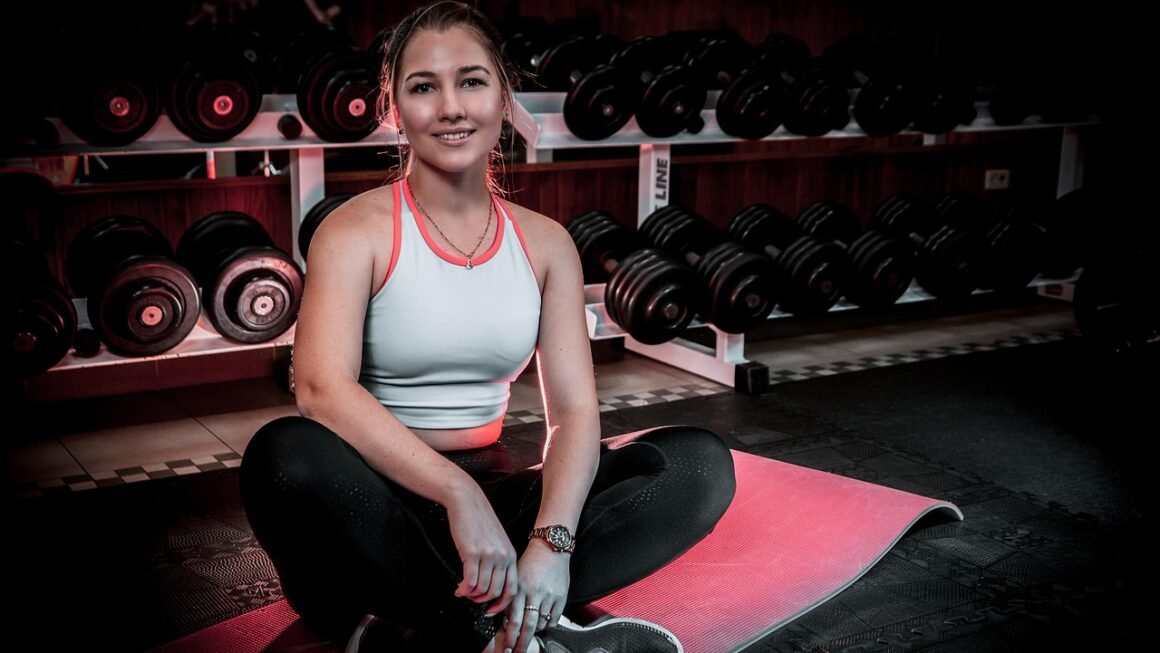
Losing weight can feel like navigating a maze blindfolded. The sheer volume of diets, workout routines, and conflicting advice can be overwhelming, leaving you feeling frustrated and defeated. But what if you had a guide, someone to illuminate the path and keep you motivated every step of the way? That’s where a weight loss coach comes in – a personalized partner dedicated to helping you achieve your health and wellness goals.
What is a Weight Loss Coach?
Defining the Role
A weight loss coach is a trained professional who provides personalized support, guidance, and accountability to individuals seeking to lose weight and improve their overall health. They are more than just a cheerleader; they are experts in behavior change, nutrition, and exercise, tailoring strategies to fit your unique needs and lifestyle. They help you understand the “why” behind your eating habits and develop sustainable strategies for long-term success.
Key Responsibilities of a Coach
- Personalized Assessment: A thorough evaluation of your current health, lifestyle, and goals. This includes understanding your eating habits, exercise routine, stress levels, and any underlying health conditions.
- Goal Setting: Collaborative development of realistic and achievable weight loss goals. Instead of aiming for an abstract target, a coach helps you break it down into smaller, manageable steps.
- Nutrition Guidance: Providing evidence-based advice on healthy eating habits, meal planning, and mindful eating. This often involves exploring different dietary approaches and finding one that aligns with your preferences and needs.
- Exercise Support: Developing a personalized exercise plan that suits your fitness level and interests. This may include suggesting specific workouts, guiding you on proper form, and helping you stay motivated.
- Behavior Modification: Identifying and addressing the underlying psychological and emotional factors that contribute to unhealthy eating habits. This may involve techniques like cognitive behavioral therapy (CBT) and motivational interviewing.
- Accountability & Support: Regular check-ins to monitor progress, provide encouragement, and help you overcome challenges. A coach acts as your accountability partner, keeping you on track and motivated even when things get tough.
Examples of Coaching Scenarios
- Client A: Struggles with emotional eating after a stressful day at work. The coach helps them identify triggers and develop alternative coping mechanisms, like mindfulness exercises or going for a walk.
- Client B: Has difficulty staying motivated with their exercise routine. The coach helps them find enjoyable activities, like dance classes or hiking, and sets realistic weekly goals to track progress.
- Client C: Finds meal planning overwhelming. The coach provides simple recipes, meal prep tips, and helps them create a grocery list tailored to their dietary needs.
Benefits of Working with a Weight Loss Coach
Increased Success Rates
Studies have shown that individuals who work with a weight loss coach are more likely to achieve their weight loss goals and maintain them long-term. The personalized support and accountability provided by a coach can significantly improve adherence to a weight loss plan. A study published in the Journal of the American Medical Association found that participants in a weight loss program who received regular coaching lost significantly more weight than those who did not.
Personalized Approach
Unlike generic diet plans, a weight loss coach tailors their approach to your unique needs and preferences. This ensures that the program is sustainable and enjoyable, increasing your chances of success. Consider it like having a personal trainer for your overall health and wellness.
Enhanced Motivation and Accountability
A weight loss journey can be challenging, and it’s easy to lose motivation along the way. A coach provides ongoing support and encouragement, helping you stay focused on your goals and overcome obstacles. Regular check-ins and progress tracking keep you accountable and provide a sense of accomplishment.
Development of Sustainable Habits
The goal of weight loss coaching is not just to help you lose weight quickly, but to help you develop sustainable habits that you can maintain for life. This includes learning about healthy eating, exercise, and stress management.
Improved Overall Health
Weight loss coaching can lead to improvements in various aspects of your health, including blood pressure, cholesterol levels, and blood sugar control. This can reduce your risk of chronic diseases and improve your overall quality of life.
Finding the Right Weight Loss Coach
Qualifications and Certifications
Look for coaches who have relevant qualifications and certifications, such as:
- Certified Health Coach (CHC)
- Registered Dietitian (RD)
- Certified Personal Trainer (CPT) with a specialization in weight management
- Wellness Coach Certification
These certifications demonstrate that the coach has undergone formal training and has the knowledge and skills to provide effective weight loss coaching.
Experience and Expertise
Consider the coach’s experience working with clients who have similar goals and challenges to yours. Look for coaches who have a proven track record of success and who are knowledgeable about different weight loss strategies.
Coaching Style and Personality
It’s important to find a coach whose style and personality resonate with you. Do you prefer a coach who is highly structured and directive, or one who is more supportive and collaborative? Consider your own preferences and communication style when choosing a coach.
Testimonials and Reviews
Read testimonials and reviews from previous clients to get an idea of the coach’s effectiveness and professionalism. Look for patterns in the feedback and pay attention to comments about the coach’s communication skills, supportiveness, and ability to help clients achieve their goals.
Initial Consultation
Most coaches offer a free initial consultation to discuss your goals and determine if they are a good fit for you. Use this opportunity to ask questions, learn about their approach, and assess your comfort level with the coach.
What to Expect During Weight Loss Coaching
Initial Assessment
The first session typically involves a comprehensive assessment of your health, lifestyle, and goals. This may include:
- Reviewing your medical history
- Assessing your current eating habits and exercise routine
- Discussing your weight loss goals and motivation
- Identifying any potential obstacles or challenges
Personalized Plan Development
Based on the initial assessment, the coach will develop a personalized weight loss plan that is tailored to your needs and preferences. This plan may include:
- Specific dietary recommendations
- A customized exercise program
- Strategies for managing stress and emotional eating
- Techniques for behavior modification
Regular Check-ins
You will typically have regular check-ins with your coach, either in person, by phone, or online. These check-ins provide an opportunity to:
- Monitor your progress
- Address any challenges or concerns
- Adjust the plan as needed
- Receive ongoing support and encouragement
Ongoing Support and Education
Throughout the coaching process, you will receive ongoing support and education from your coach. This may include:
- Providing resources and materials on healthy eating and exercise
- Sharing tips and strategies for staying motivated
- Answering your questions and providing guidance
- Helping you develop long-term sustainable habits
Conclusion
A weight loss coach can be an invaluable asset on your journey to a healthier and happier you. By providing personalized support, guidance, and accountability, they can help you overcome obstacles, develop sustainable habits, and achieve your weight loss goals. Take the time to find a qualified and experienced coach who is a good fit for your needs and personality, and you’ll be well on your way to success.