Stepping onto the path of healthy eating often feels like navigating a crowded marketplace filled with conflicting advice. From fad diets promising instant results to generic plans that fail to address individual needs, it’s easy to feel lost. A custom diet plan, however, offers a personalized approach that caters specifically to your unique body, lifestyle, and goals. Forget the one-size-fits-all approach; it’s time to discover how a tailored eating strategy can unlock your optimal health and well-being.
Understanding Custom Diet Plans
What is a Custom Diet Plan?
A custom diet plan is a meticulously crafted eating strategy designed to meet an individual’s specific dietary requirements, health goals, and lifestyle preferences. Unlike generic diet plans, which offer a broad approach, a customized plan considers factors such as:
- Age
- Gender
- Activity Level
- Medical History
- Food Allergies and Intolerances
- Personal Preferences
The result is a diet that is not only more effective but also more sustainable in the long run. It acknowledges that what works for one person may not work for another, making it a more realistic and attainable path to better health.
Benefits of a Personalized Approach
- Improved Results: By targeting your unique needs, a custom plan maximizes the chances of achieving your goals, whether it’s weight loss, muscle gain, improved energy levels, or better management of a health condition. For example, a custom plan for someone with diabetes would focus on stabilizing blood sugar levels.
- Increased Sustainability: Diets that align with your preferences and lifestyle are easier to stick to. A custom plan considers your favorite foods and incorporates them in a healthy way, making the transition more seamless and enjoyable.
- Enhanced Nutritional Adequacy: Customized plans are carefully designed to ensure you receive all the essential nutrients your body needs. This is particularly important if you have specific deficiencies or dietary restrictions.
- Reduced Risk of Side Effects: By taking into account any health conditions or allergies, a custom plan can minimize the risk of adverse reactions or health complications.
Who Can Benefit from a Custom Diet Plan?
Almost anyone can benefit from a custom diet plan. However, it’s particularly beneficial for individuals who:
- Have specific health conditions like diabetes, heart disease, or food allergies.
- Are athletes looking to optimize their performance.
- Are struggling to lose weight with generic diet plans.
- Have unique dietary needs due to pregnancy, breastfeeding, or vegetarianism/veganism.
- Want to improve their overall health and well-being.
The Process of Creating a Custom Diet Plan
Initial Assessment and Consultation
The journey toward a custom diet plan typically begins with a comprehensive assessment. This usually involves:
- Detailed Questionnaire: Gathering information about your medical history, lifestyle, dietary habits, and goals.
- Physical Examination: Assessing your current health status and identifying any underlying conditions.
- Laboratory Tests: Analyzing blood samples to identify any nutritional deficiencies or health markers that need attention. For example, checking Vitamin D levels or cholesterol.
- Discussion of Preferences: Talking about your favorite foods, cooking habits, and any dietary restrictions you may have.
This information provides the foundation for creating a plan that is tailored to your specific needs.
Goal Setting and Customization
Once the assessment is complete, the next step is to define realistic and achievable goals. This involves working with a registered dietitian or nutritionist to determine:
- Specific Objectives: Identifying what you want to achieve (e.g., weight loss, improved energy, better blood sugar control).
- Realistic Timelines: Setting a timeline for achieving your goals that is sustainable and manageable. For instance, aiming for 1-2 pounds of weight loss per week.
- Personalized Strategies: Developing strategies that address your unique needs and challenges.
- Example: If the goal is weight loss, the plan might include a calorie deficit, portion control strategies, and healthy snack options. If the goal is muscle gain, it might include a higher protein intake and specific meal timing strategies.
Meal Planning and Recipe Development
The cornerstone of a custom diet plan is the meal plan itself. This includes:
- Detailed Meal Schedules: Outlining what to eat for breakfast, lunch, dinner, and snacks.
- Nutrient-Dense Recipes: Providing recipes that are not only healthy but also delicious and easy to prepare. For example, a recipe for a high-protein breakfast smoothie or a balanced Mediterranean-style salad.
- Portion Control Guidelines: Helping you understand how much to eat to meet your calorie and macronutrient needs.
- Substitution Options: Offering alternative ingredients in case you have allergies or preferences.
Ongoing Support and Adjustments
A custom diet plan is not a static document; it’s a dynamic strategy that evolves as your needs change.
- Regular Check-Ins: Meeting with your dietitian or nutritionist to monitor your progress and address any challenges.
- Adjustments as Needed: Modifying the plan based on your results and feedback. For example, if you’re not losing weight, the calorie intake may need to be adjusted.
- Education and Empowerment: Providing you with the knowledge and tools to make informed food choices and maintain a healthy lifestyle in the long term.
Essential Elements of a Successful Custom Diet Plan
Balanced Macronutrient Ratios
A well-designed custom diet plan considers the optimal balance of macronutrients:
- Protein: Essential for building and repairing tissues, supporting muscle growth, and promoting satiety. A typical range is 0.8-1.2 grams per pound of body weight, but this can vary based on individual needs.
- Carbohydrates: The primary source of energy for the body. Choosing complex carbohydrates like whole grains, fruits, and vegetables is crucial for sustained energy and overall health. The appropriate amount can range from 40-60% of total calories.
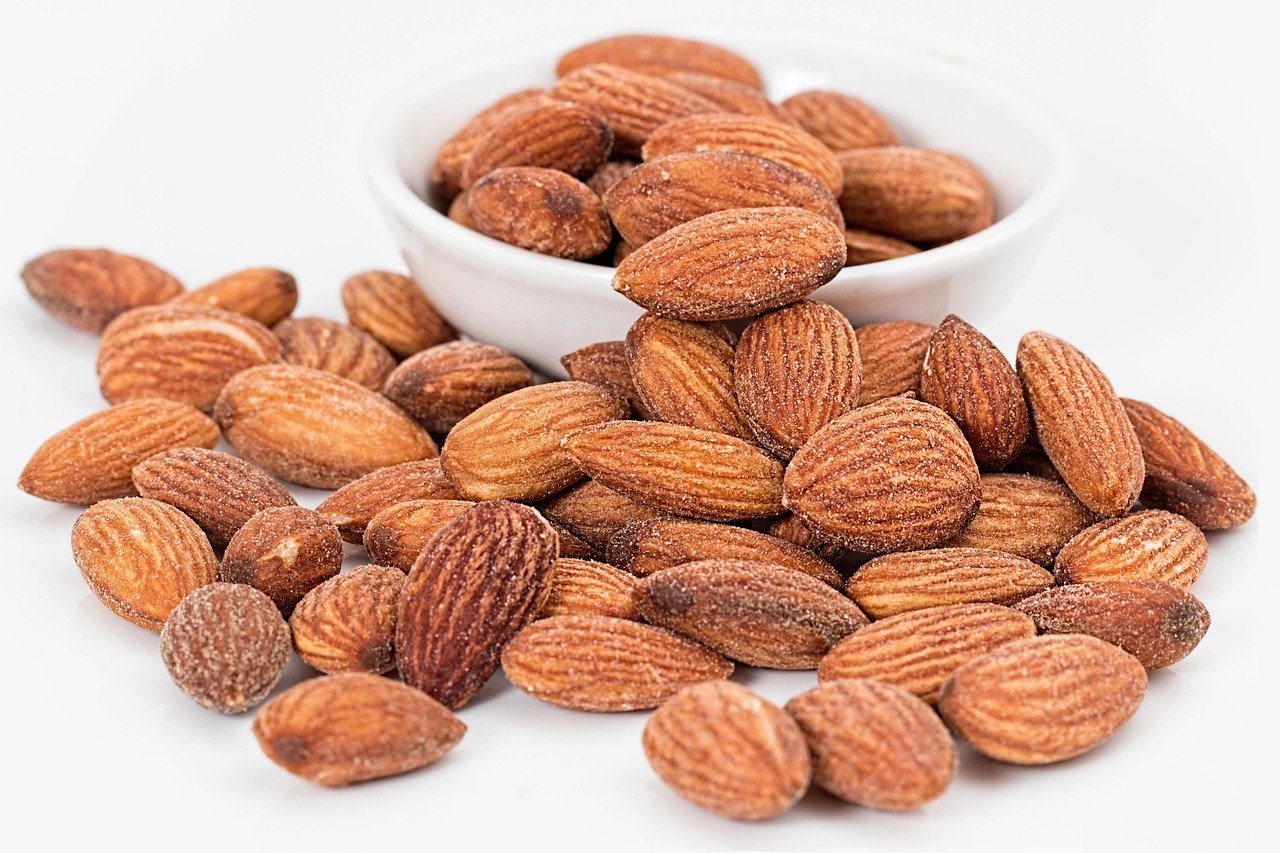
- Fats: Important for hormone production, nutrient absorption, and brain function. Prioritize healthy fats from sources like avocados, nuts, seeds, and olive oil. Aim for 20-35% of total calories from fat.
Emphasis on Whole, Unprocessed Foods
A custom diet plan prioritizes whole, unprocessed foods.
- Fruits and Vegetables: Rich in vitamins, minerals, and antioxidants.
- Lean Proteins: Sources like chicken, fish, beans, and tofu provide essential amino acids.
- Whole Grains: Provide fiber and sustained energy.
- Healthy Fats: Support heart health and brain function.
Minimizing processed foods, sugary drinks, and unhealthy fats is crucial for optimal health and weight management.
Hydration and Fiber Intake
- Hydration: Drinking adequate water is essential for overall health and can also aid in weight loss. Aim for at least 8 glasses of water per day.
- Fiber: Found in fruits, vegetables, and whole grains, fiber promotes satiety, regulates blood sugar levels, and supports digestive health. Aim for 25-35 grams of fiber per day.
Mindful Eating Practices
- Paying Attention to Hunger Cues: Learning to recognize and respond to your body’s hunger and fullness signals.
- Eating Slowly and Deliberately: Savoring each bite and avoiding distractions while eating.
- Avoiding Emotional Eating: Addressing emotional needs through healthy coping mechanisms rather than food.
Common Mistakes to Avoid
Not Seeking Professional Guidance
Creating a custom diet plan can be complex, and it’s best to work with a registered dietitian or nutritionist who can provide expert guidance and support. Self-designed plans often lack the nuance required for long-term success.
Setting Unrealistic Goals
Setting overly ambitious goals can lead to disappointment and discouragement. It’s important to set realistic goals that are achievable and sustainable.
Neglecting Individual Preferences
A custom diet plan should be enjoyable and sustainable, and that means incorporating your favorite foods and respecting your dietary preferences. Ignoring your preferences can lead to frustration and ultimately, failure.
Failing to Monitor Progress
Regularly tracking your progress and making adjustments as needed is crucial for success. This involves monitoring your weight, body measurements, and overall health markers.
Ignoring Underlying Health Conditions
Failing to consider any underlying health conditions can lead to adverse reactions or health complications.
Conclusion
A custom diet plan is more than just a meal plan; it’s a personalized roadmap to better health. By taking into account your individual needs, preferences, and goals, it offers a sustainable and effective approach to achieving your health objectives. Investing in a custom diet plan and working with a registered dietitian or nutritionist can be one of the best decisions you make for your long-term well-being. It’s time to ditch the generic diets and embrace a personalized approach that truly works for you.