Portion control: it’s a phrase we hear often in the context of healthy eating and weight management, but what does it actually mean, and why is it so important? Beyond simply eating less, portion control is a powerful tool for managing your calorie intake, improving your relationship with food, and achieving your health goals. This guide breaks down everything you need to know about mastering portion control, from understanding serving sizes to practical tips for implementing it in your daily life.
Understanding Portion Sizes vs. Serving Sizes
What’s the Difference?
It’s crucial to differentiate between portion size and serving size. Portion size is the amount of food you actually eat in one sitting. Serving size, on the other hand, is a standardized amount of food recommended by nutrition experts, typically found on food labels. Confusion between these two concepts can easily lead to overeating.
- Portion Size: What you choose to eat.
- Serving Size: A recommended amount listed on food labels.
Why This Matters
Knowing the serving size allows you to accurately track your calorie and nutrient intake. However, many people unknowingly consume portions that are much larger than the recommended serving size. For example, a single bag of chips might contain multiple servings, but someone could easily eat the entire bag in one sitting.
- Overestimating serving sizes leads to increased calorie intake.
- Underestimating serving sizes hinders accurate tracking of your diet.
The Importance of Portion Control
Weight Management
The most obvious benefit of portion control is its impact on weight management. By controlling the amount of food you eat, you control your calorie intake. Consuming fewer calories than you burn leads to weight loss.
- Portion control helps create a calorie deficit.
- It’s a sustainable approach to weight management compared to restrictive diets.
- According to a study by the National Institutes of Health, individuals who practiced portion control were more likely to maintain their weight loss over time.
Improved Digestive Health
Eating smaller portions can also significantly improve your digestive health. Overeating can lead to indigestion, bloating, and discomfort.
- Smaller portions are easier to digest.
- Reduces the risk of heartburn and acid reflux.
- Prevents excessive strain on the digestive system.
Enhanced Energy Levels
Contrary to popular belief, eating less doesn’t necessarily mean feeling more tired. Large meals can lead to a sugar crash and lethargy. Portion control helps stabilize blood sugar levels, leading to more consistent energy throughout the day.
- Prevents blood sugar spikes and crashes.
- Promotes sustained energy levels.
- Reduces the likelihood of midday fatigue.
Practical Strategies for Portion Control
Use Smaller Plates and Bowls
One simple trick is to use smaller dinnerware. This visual cue can trick your brain into thinking you’re eating more than you actually are.
- A 9-inch plate can make a portion look larger than it would on a 12-inch plate.
- Opt for smaller bowls for cereals, soups, and salads.
- Studies have shown that using smaller plates can reduce food consumption by up to 22%.
Read Food Labels Carefully
Pay close attention to the serving sizes listed on food labels. This information is essential for accurately tracking your calorie and nutrient intake.
- Always check the serving size before consuming a packaged food item.
- Be aware of the calories, fat, sugar, and sodium content per serving.
- Multiply the nutritional information by the number of servings you consume if you eat more than one serving.
Pre-Portion Your Meals and Snacks
Pre-portioning your meals and snacks is a great way to avoid overeating. Divide larger packages into smaller, individually wrapped portions.
- Use resealable bags or containers to pre-portion snacks like nuts, chips, or crackers.
- Prepare individual meal containers for lunch or dinner.
- This helps avoid mindless eating directly from a large package.
Measure Your Food
Invest in measuring cups and spoons to ensure accuracy when preparing meals.
- Use measuring cups to portion out grains, pasta, and rice.
- Use measuring spoons for oils, sauces, and seasonings.
- A food scale can be helpful for weighing meat and other proteins.
Be Mindful While Eating
Pay attention to your body’s hunger and fullness cues. Avoid distractions like TV or your phone while eating.
- Eat slowly and savor each bite.
- Pay attention to your body’s signals of fullness.
- Stop eating when you feel satisfied, not stuffed.
- A good practice is to put your fork down between bites to slow down your eating pace.
The Plate Method
A simple visual guide to portioning your meals is the plate method:
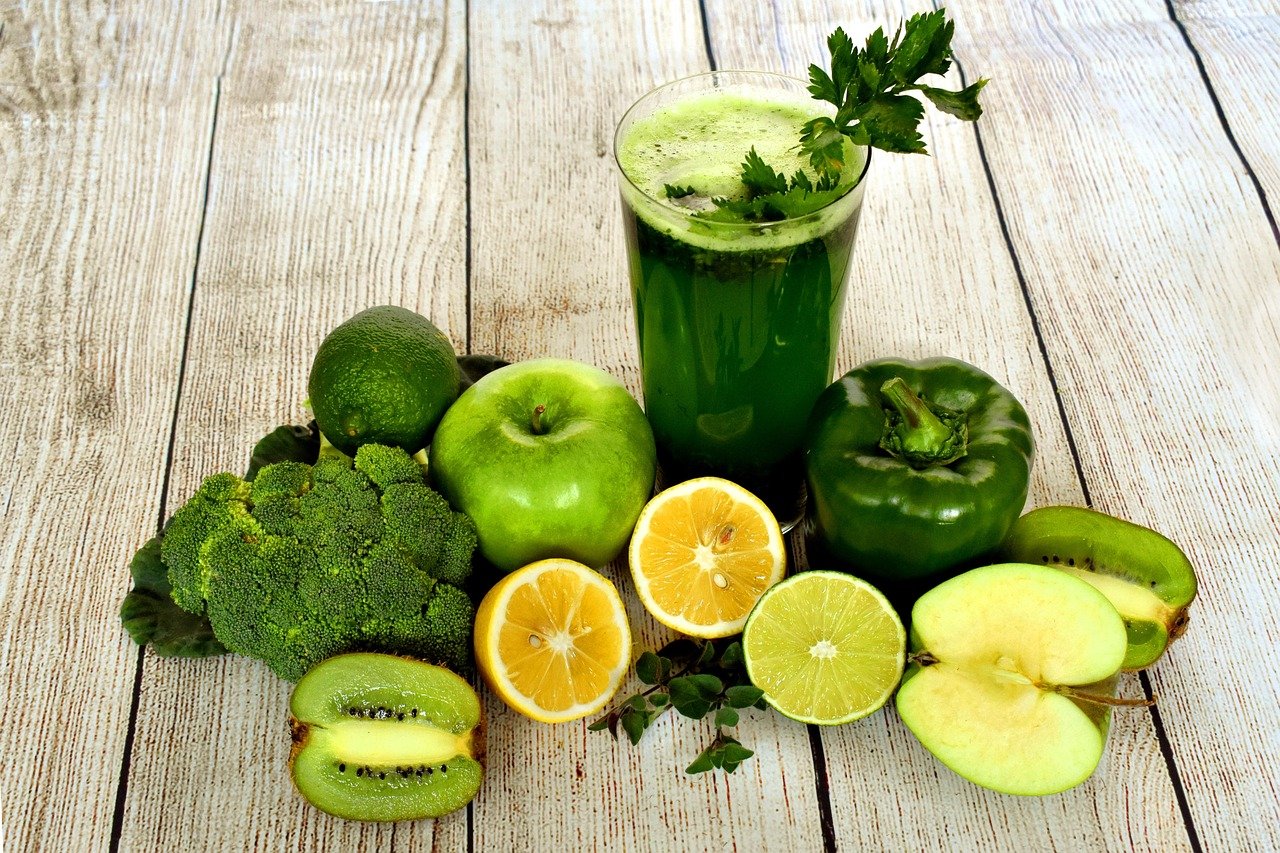
- 50% Non-Starchy Vegetables: Fill half your plate with vegetables like broccoli, spinach, salad, or bell peppers.
- 25% Lean Protein: Dedicate a quarter of your plate to lean protein sources like chicken breast, fish, beans, or tofu.
- 25% Whole Grains or Starchy Vegetables: The remaining quarter should consist of whole grains like brown rice, quinoa, or starchy vegetables like sweet potatoes or corn.
Addressing Common Portion Control Challenges
Eating Out
Eating out can be a challenge for portion control. Restaurant portions are often much larger than recommended serving sizes.
- Share an entrée with a friend or family member.
- Order an appetizer instead of a main course.
- Ask for a doggy bag and pack half of your meal to take home.
- Choose healthier options, such as grilled or baked dishes, and avoid fried foods.
Emotional Eating
Emotional eating can sabotage your portion control efforts.
- Identify your emotional triggers for overeating.
- Find healthy coping mechanisms for stress, such as exercise, meditation, or spending time with loved ones.
- Keep a food journal to track your eating habits and identify patterns.
- Seek support from a therapist or counselor if emotional eating is a significant problem.
Holiday Gatherings and Celebrations
Holiday gatherings and celebrations often involve large quantities of food.
- Offer to bring a healthy dish to share.
- Be mindful of your portions and avoid overindulging.
- Focus on socializing and enjoying the company of friends and family rather than solely focusing on the food.
- Allow yourself to enjoy some treats in moderation, but don’t let it derail your overall healthy eating habits.
Conclusion
Mastering portion control is a journey, not a destination. It requires awareness, practice, and a commitment to making healthier choices. By understanding the difference between portion sizes and serving sizes, implementing practical strategies, and addressing common challenges, you can take control of your eating habits, improve your health, and achieve your weight management goals. Start small, be patient with yourself, and celebrate your progress along the way. Portion control is a valuable skill that can empower you to live a healthier and happier life.