Struggling to manage your weight or simply aiming for a healthier lifestyle? You’re not alone! One of the most effective and often overlooked strategies is portion control. It’s not about deprivation; it’s about making informed choices about how much you eat, allowing you to enjoy your favorite foods while staying on track with your health goals. This comprehensive guide will delve into the world of portion control, offering practical tips and strategies to help you master this essential skill.
Understanding Portion Control
What is Portion Control?
Portion control is the practice of managing the amount of food you consume at each meal and snack. It involves being mindful of serving sizes and adjusting them to align with your individual nutritional needs and goals. Unlike restrictive dieting, portion control focuses on moderation rather than complete elimination.
Why is Portion Control Important?
- Weight Management: Eating smaller portions can lead to a calorie deficit, which is crucial for weight loss or maintenance.
- Improved Digestion: Overeating can strain your digestive system, leading to discomfort and bloating. Smaller portions are easier to digest.
- Healthier Eating Habits: Portion control encourages mindful eating, helping you become more aware of your body’s hunger and fullness cues.
- Reduced Risk of Chronic Diseases: Managing your food intake can lower your risk of obesity-related diseases like type 2 diabetes, heart disease, and certain cancers. The CDC estimates that over 40% of adults in the US are obese, highlighting the importance of strategies like portion control.
Portion Size vs. Serving Size
It’s crucial to differentiate between portion size and serving size.
- Serving Size: A standardized amount of food recommended in dietary guidelines or listed on nutrition labels.
- Portion Size: The amount of food you actually choose to eat.
Often, our portion sizes far exceed the recommended serving sizes, contributing to overeating.
Practical Tips for Portion Control
Using Visual Cues
One of the easiest ways to estimate portion sizes is by using visual cues.
- Protein: A deck of cards (3 ounces/85 grams)
- Grains (Cooked): A cupped hand (1/2 cup/115 grams)
- Vegetables: A baseball (1 cup/230 grams)
- Fats (Butter, Oil): The tip of your thumb (1 teaspoon/5 grams)
These visual aids provide a quick and convenient way to gauge your portions without relying on measuring cups and scales every time.
Plate Size Matters
Using smaller plates and bowls can significantly influence your portion sizes. Research shows that people tend to fill their plates regardless of size, leading to overeating when using larger dishes.
- Switch to 9-inch plates for your main meals. This automatically reduces the amount of food you can fit on your plate.
- Use smaller bowls for cereal, soup, and ice cream.
Pre-Portioning Your Meals and Snacks
Preparing your meals and snacks in advance and dividing them into appropriately sized portions can prevent impulsive overeating.
- Pack your lunch in portion-controlled containers.
- Divide bulk snacks like nuts and seeds into individual baggies.
- Cook larger meals on the weekend and portion them out for the week ahead. This method ensures that your meals are healthy, balanced, and portion-controlled, saving you time and reducing the temptation to order takeout.
Mindful Eating Techniques
Mindful eating involves paying attention to your food and eating experience, which can help you recognize fullness cues and prevent overeating.
- Eat slowly: Put your fork down between bites and savor the flavors.
- Eliminate distractions: Turn off the TV and put away your phone while eating.
- Pay attention to your body’s signals: Stop eating when you feel satisfied, not stuffed.
- Chew thoroughly: Chewing each bite thoroughly aids digestion and allows you to appreciate the food’s texture and taste.
Portion Control Strategies for Different Food Groups
Proteins
- Lean Meats: Opt for lean cuts of meat like chicken breast, turkey, and fish. Aim for a portion size of about 3-4 ounces (85-115 grams).
- Plant-Based Proteins: Include plant-based proteins like beans, lentils, and tofu in your diet. A serving size of 1/2 cup (115 grams) is a good starting point.
Carbohydrates
- Whole Grains: Choose whole grains like brown rice, quinoa, and whole-wheat bread over refined grains. A portion size of 1/2 cup (115 grams) for cooked grains and one slice of bread is recommended.
- Limit Processed Carbs: Avoid excessive consumption of processed carbs like white bread, pasta, and sugary cereals.
Vegetables
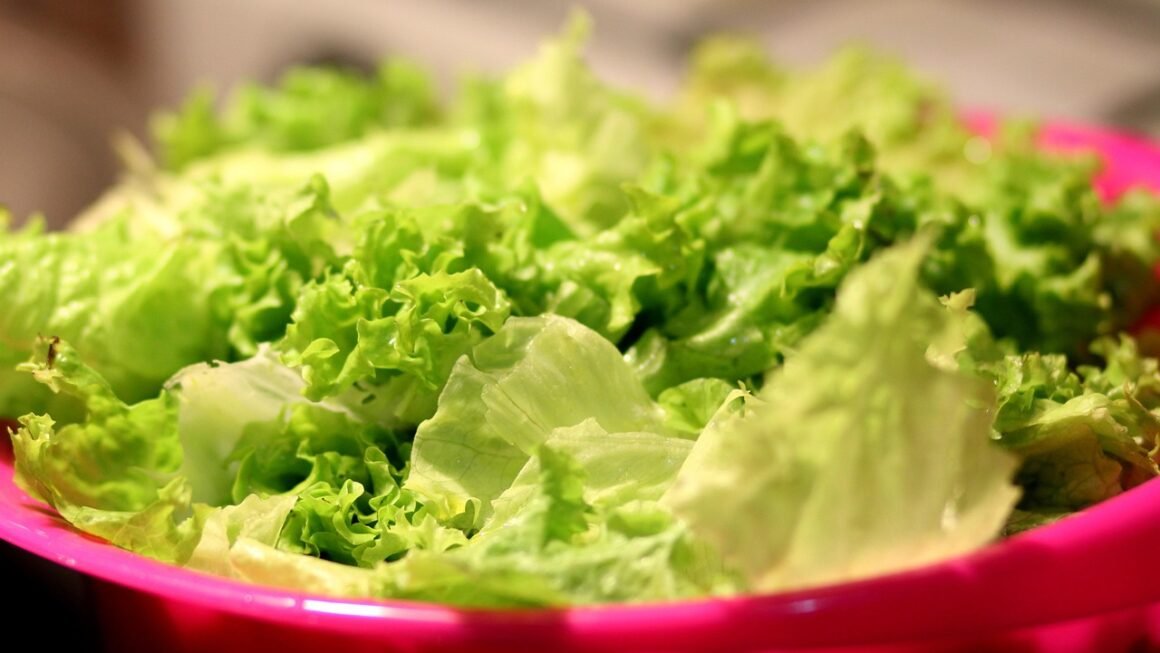
- Fill Half Your Plate: Make vegetables the star of your plate. Aim to fill half your plate with non-starchy vegetables like broccoli, spinach, and bell peppers.
- Variety is Key: Choose a variety of colors and textures to ensure you’re getting a wide range of nutrients.
Healthy Fats
- Healthy Fats: Incorporate healthy fats like avocados, nuts, seeds, and olive oil into your diet in moderation. A portion size of 1/4 avocado, a handful of nuts, or 1-2 tablespoons of olive oil is appropriate.
- Avoid Trans Fats: Limit your intake of trans fats found in processed foods and fried foods.
Dealing with Challenges and Setbacks
Overcoming Emotional Eating
Emotional eating can sabotage your portion control efforts. Identify your triggers and develop alternative coping mechanisms like exercise, meditation, or talking to a friend.
Eating Out
Eating out can be challenging when it comes to portion control.
- Order smaller portions: Choose appetizers or split an entree with a friend.
- Ask for a doggy bag: Immediately pack half of your meal to take home.
- Make healthy choices: Opt for grilled or baked options instead of fried foods, and choose water or unsweetened beverages.
Holidays and Special Occasions
Holidays and special occasions often involve large feasts.
- Plan ahead: Decide which foods you want to enjoy and be mindful of your portions.
- Don’t arrive hungry: Have a small, healthy snack before attending a party.
- Balance: Compensate for indulging in higher-calorie foods by eating lighter meals on other days.
Conclusion
Mastering portion control is a journey, not a destination. By understanding the principles of portion control, using practical tips and strategies, and being mindful of your eating habits, you can achieve your health goals and maintain a balanced and enjoyable relationship with food. Remember that small, consistent changes can lead to significant long-term results. Start implementing these strategies today and experience the positive impact of portion control on your overall well-being.