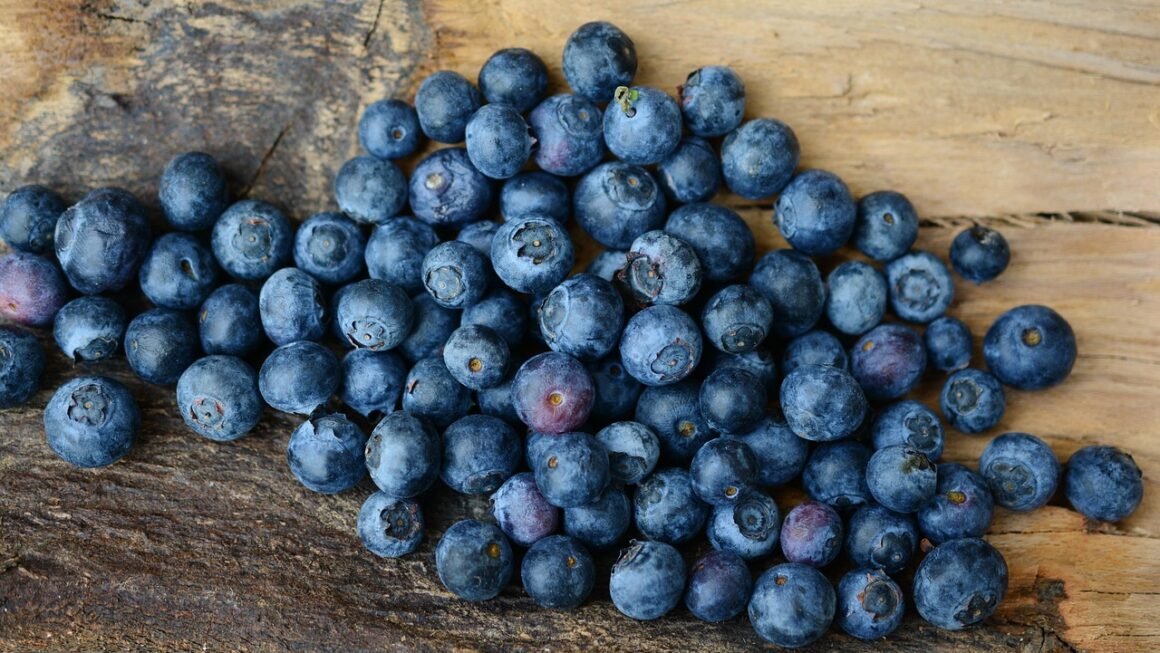
A vibrant array of fruits, vegetables, legumes, and grains – a plant-based diet is more than just a trend; it’s a lifestyle shift gaining momentum globally, driven by a growing awareness of its potential health benefits, environmental impact, and ethical considerations. But what exactly does it entail? And is it right for you? Let’s delve into the world of plant-based eating, exploring its nuances, benefits, and practical steps to help you embrace this nourishing approach to food.
What is a Plant-Based Diet?
Defining Plant-Based
At its core, a plant-based diet emphasizes foods derived from plants. This includes fruits, vegetables, legumes (beans, lentils, peas), whole grains, nuts, and seeds. The level of animal product exclusion varies widely. Some may follow a strict vegan diet, eliminating all animal products, while others may adopt a more flexible approach, incorporating small amounts of meat, dairy, or eggs. The key principle remains: plants take center stage.
It’s crucial to distinguish between ‘plant-based’ and ‘vegan.’ Veganism is a philosophy and lifestyle that seeks to exclude all forms of animal exploitation and cruelty, extending beyond diet to encompass clothing, cosmetics, and other products. A plant-based diet, on the other hand, primarily focuses on the food consumed.
Variations in Plant-Based Diets
The beauty of a plant-based approach is its adaptability. Here are a few common variations:
- Vegan: Excludes all animal products, including meat, poultry, fish, dairy, eggs, and honey.
- Vegetarian: Excludes meat, poultry, and fish, but may include dairy and/or eggs (lacto-ovo vegetarian).
- Lacto-vegetarian: Excludes meat, poultry, fish, and eggs but includes dairy.
- Ovo-vegetarian: Excludes meat, poultry, fish, and dairy but includes eggs.
- Flexitarian: A primarily vegetarian diet that occasionally includes meat, poultry, or fish. This is often a good starting point for those transitioning to a more plant-focused way of eating.
Actionable Takeaway: Determine which variation best aligns with your values and health goals. Start small and gradually increase your plant-based intake over time.
Health Benefits of a Plant-Based Lifestyle
Cardiovascular Health
Studies consistently show that plant-based diets are associated with a reduced risk of heart disease. This is largely due to the naturally lower levels of saturated fat and cholesterol, and the higher intake of fiber, vitamins, and minerals found in plant foods.
- Lower blood pressure: Plant-based diets often lead to lower sodium intake and increased potassium, contributing to healthy blood pressure levels.
- Reduced cholesterol: High fiber content helps lower LDL (“bad”) cholesterol.
- Improved artery function: Plant-based antioxidants fight inflammation and support healthy blood vessel function.
Weight Management
Plant-based diets are typically lower in calories and higher in fiber, which promotes satiety and helps regulate blood sugar levels. This can lead to easier weight management and reduced risk of obesity.
- Fiber keeps you full: High-fiber foods take longer to digest, keeping you feeling satisfied for longer.
- Naturally lower in calories: Plant-based meals often pack a lot of volume for fewer calories.
- Improved insulin sensitivity: Plant-based diets can improve how your body responds to insulin, which is crucial for blood sugar control.
Reduced Risk of Chronic Diseases
Research suggests that plant-based diets can play a significant role in preventing and managing several chronic diseases.
- Type 2 Diabetes: Plant-based diets improve insulin sensitivity and blood sugar control. For example, a study published in the journal “Diabetes Care” showed that a plant-based diet was more effective than the standard American Diabetes Association diet in improving glycemic control in people with type 2 diabetes.
- Certain Cancers: The high antioxidant and phytochemical content of plant foods may protect against certain cancers, such as colon, breast, and prostate cancer.
- Alzheimer’s Disease: Some studies suggest that plant-based diets may help protect cognitive function and reduce the risk of Alzheimer’s disease.
Actionable Takeaway: Incorporate more fruits, vegetables, and whole grains into your diet to reap these health benefits. Even small changes can make a significant difference.
Building a Balanced Plant-Based Plate
Protein Sources
One of the most common concerns about plant-based diets is protein intake. However, with careful planning, it’s easy to meet your protein needs from plant sources.
- Legumes: Beans, lentils, chickpeas, and peas are excellent sources of protein and fiber. For example, a cup of cooked lentils contains about 18 grams of protein.
- Tofu and Tempeh: These soy-based products are complete proteins, meaning they contain all nine essential amino acids.
- Quinoa: A complete protein grain that’s also a good source of fiber and iron.
- Nuts and Seeds: Almonds, walnuts, chia seeds, and flaxseeds provide protein, healthy fats, and fiber. A handful of almonds (about 23) provides about 6 grams of protein.
- Whole Grains: Brown rice, oats, and whole-wheat bread contribute to your overall protein intake.
Essential Nutrients
While plant-based diets are rich in many nutrients, it’s important to pay attention to certain vitamins and minerals that may require special attention.
- Vitamin B12: B12 is primarily found in animal products, so vegans often need to supplement. Fortified plant-based foods like nutritional yeast and some plant milks are also sources.
- Iron: Plant-based iron (non-heme iron) is not as readily absorbed as heme iron from animal products. Increase absorption by pairing iron-rich foods with vitamin C-rich foods, like citrus fruits or bell peppers. Good sources include spinach, lentils, and fortified cereals.
- Calcium: Leafy green vegetables (kale, collard greens), fortified plant milks, and tofu are good sources of calcium.
- Omega-3 Fatty Acids: Include sources like flaxseeds, chia seeds, and walnuts in your diet. You can also consider an algae-based omega-3 supplement.
Actionable Takeaway: Plan your meals to ensure you are getting a variety of protein sources and essential nutrients. Consider consulting with a registered dietitian for personalized guidance.
Transitioning to a Plant-Based Diet: Practical Tips
Start Gradually
Making drastic changes overnight can be overwhelming. Instead, start by incorporating more plant-based meals into your week. Try “Meatless Mondays” or aim to make one or two meals a day plant-based.
- Swap meat for beans or lentils in your favorite recipes.
- Add more vegetables to your existing meals.
- Experiment with new plant-based recipes.
Find Plant-Based Alternatives
Many animal-based products have plant-based alternatives that are readily available.
- Plant-based milks: Almond, soy, oat, and coconut milk are great substitutes for dairy milk.
- Plant-based meats: Tofu, tempeh, and seitan can be used in place of meat in many recipes. Beyond Meat and Impossible Burger are popular commercial options.
- Nutritional yeast: Adds a cheesy flavor to dishes and is a good source of B vitamins.
Learn to Read Labels
Become a savvy label reader to identify hidden animal products and unhealthy additives. Look for ingredients like whey, casein, gelatin, and honey. Also, pay attention to sodium, sugar, and unhealthy fat content.
Embrace Meal Planning
Planning your meals in advance can help you stay on track and ensure you’re getting a balanced diet. Take some time each week to create a meal plan and grocery list.
Actionable Takeaway: Begin with one simple change each week. For example, try swapping your morning dairy milk for almond milk or adding a side salad to every lunch.
Addressing Common Concerns
Is it Expensive?
Contrary to popular belief, a plant-based diet can be very affordable. Staples like beans, lentils, and rice are among the cheapest and most nutritious foods available. Buying produce in season and cooking at home can further reduce costs.
Is it Time-Consuming?
While some plant-based recipes require more preparation time, there are plenty of quick and easy options. Batch cooking, using frozen vegetables, and relying on simple recipes can save time.
Is it Difficult to Eat Out?
More and more restaurants are offering plant-based options. Look for vegetarian or vegan sections on the menu, or ask if dishes can be modified to be plant-based. Websites and apps like HappyCow can help you find vegetarian and vegan-friendly restaurants in your area.
Actionable Takeaway: Plan ahead when eating out by checking menus online or calling the restaurant in advance. Don’t be afraid to ask for modifications to make dishes plant-based.
Conclusion
The plant-based diet is a versatile and increasingly popular way of eating that offers a multitude of potential health benefits. From promoting cardiovascular health and aiding in weight management to reducing the risk of chronic diseases, the advantages are compelling. By understanding the principles of balanced plant-based eating, addressing common concerns, and taking practical steps for a gradual transition, you can embrace this nourishing lifestyle and enjoy a healthier, more sustainable future. Remember to prioritize variety, pay attention to essential nutrients, and listen to your body as you embark on your plant-based journey.