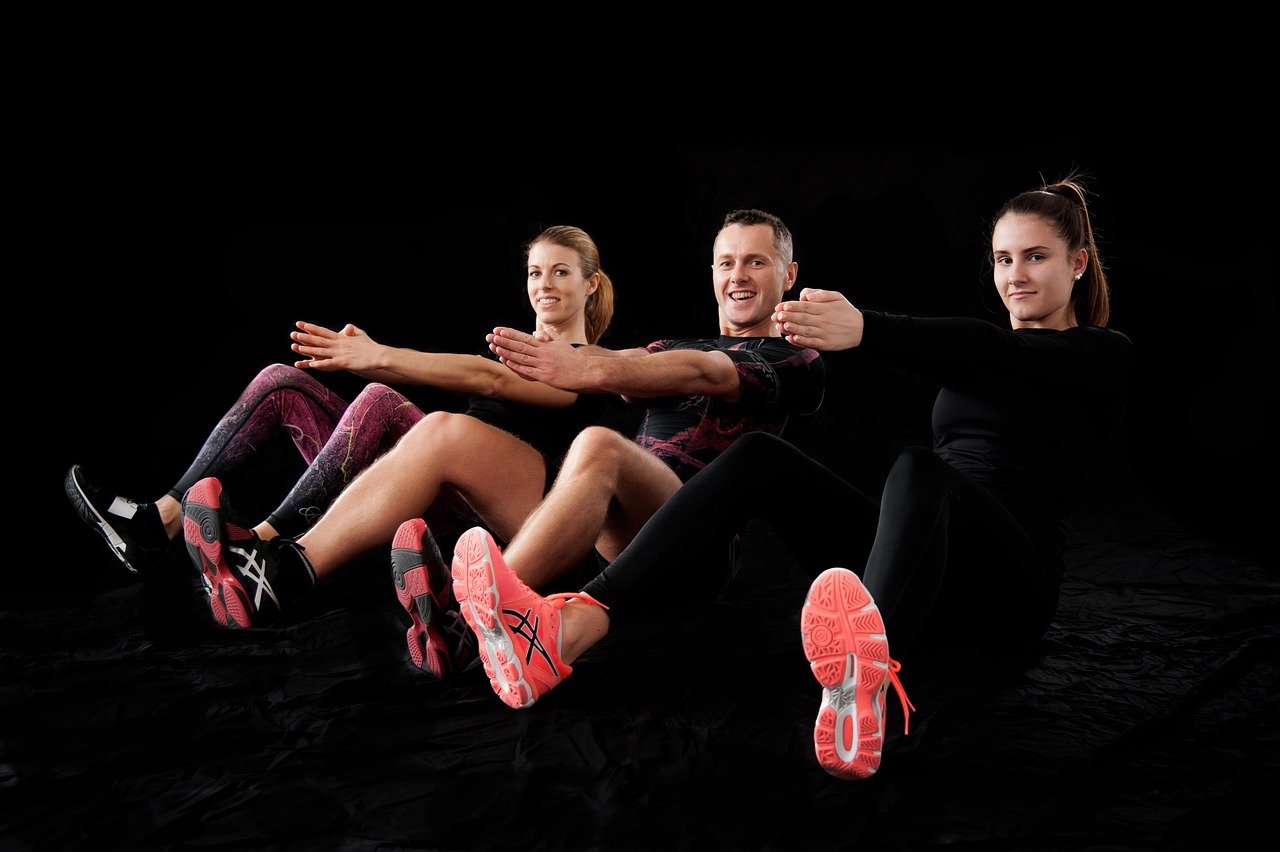
Are you tired of starting and stopping fitness routines? Do you feel lost navigating the overwhelming amount of information online? A certified fitness coach can provide the guidance, support, and accountability you need to achieve your health and fitness goals. This comprehensive guide will explore the benefits of working with a fitness coach, what to look for in a good coach, and how they can help you transform your life.
What is Fitness Coaching?
Defining Fitness Coaching
Fitness coaching goes beyond simply prescribing exercises. It’s a personalized approach that integrates exercise programming, nutrition guidance, behavior modification, and ongoing support to help individuals achieve their specific fitness goals. A fitness coach acts as a mentor, educator, and motivator, providing clients with the tools and knowledge they need to succeed.
Unlike a personal trainer who primarily focuses on workout sessions, a fitness coach takes a holistic view of your well-being, considering all aspects of your lifestyle that impact your fitness journey.
Distinguishing Fitness Coaching from Personal Training
While the terms are often used interchangeably, there are crucial differences between fitness coaching and personal training:
- Focus: Personal training focuses primarily on workout execution and technique, while fitness coaching encompasses a broader approach to health and wellness.
- Scope: Personal trainers mainly work with clients during scheduled sessions. Fitness coaches provide ongoing support, accountability, and guidance outside of workout times.
- Goal Setting: Both professions involve goal setting, but fitness coaches often delve deeper into understanding a client’s motivations and long-term aspirations. They help align fitness goals with overall life goals.
- Education and Behavior Change: Fitness coaches emphasize educating clients on nutrition, recovery, and healthy habits, empowering them to make sustainable lifestyle changes.
Benefits of Working with a Fitness Coach
Personalized Training Plans
One of the biggest advantages of working with a fitness coach is the creation of a personalized training plan tailored to your individual needs, goals, and abilities. This plan takes into account your current fitness level, medical history, and any injuries or limitations you may have. For example, someone recovering from a knee injury would receive a plan with modified exercises and a gradual progression to prevent re-injury. A coach will make adjustments as needed based on your progress and feedback.
Expert Guidance and Support
Fitness coaches possess extensive knowledge of exercise science, nutrition, and behavior change. They can provide expert guidance on:
- Proper exercise technique to prevent injuries.
- Effective workout strategies to maximize results.
- Nutritional guidance to fuel your body for optimal performance.
- Strategies for overcoming obstacles and staying motivated.
Accountability and Motivation
Staying consistent with a fitness routine can be challenging. A fitness coach provides accountability by regularly checking in with you, tracking your progress, and offering encouragement. They can help you stay motivated even when you feel like giving up. For instance, a coach might use weekly progress reports, scheduled phone calls, or text message reminders to keep you on track.
Example: A study published in the Journal of Strength and Conditioning Research found that individuals who worked with a coach were more likely to adhere to their exercise program and achieve their fitness goals compared to those who trained on their own.
Long-Term Lifestyle Changes
A good fitness coach doesn’t just help you reach a short-term goal; they equip you with the knowledge and skills to maintain a healthy lifestyle for the long haul. They help you develop healthy habits related to:
- Nutrition
- Exercise
- Sleep
- Stress management
By addressing these areas, you can create lasting changes that improve your overall well-being.
Finding the Right Fitness Coach
Defining Your Fitness Goals
Before searching for a fitness coach, take some time to clarify your fitness goals. Are you looking to:
- Lose weight?
- Build muscle?
- Improve your athletic performance?
- Manage a health condition?
- Increase your overall energy levels?
Knowing your goals will help you find a coach who specializes in the areas you’re interested in. Be specific. Instead of “lose weight”, try “lose 15 pounds in 3 months.”
Credentials and Experience
Look for a fitness coach with appropriate certifications from reputable organizations, such as:
- National Strength and Conditioning Association (NSCA)
- American College of Sports Medicine (ACSM)
- National Academy of Sports Medicine (NASM)
- International Sports Sciences Association (ISSA)
Also, consider their experience and track record. Do they have experience working with clients who have similar goals and backgrounds as you? Ask for testimonials or success stories.
Coaching Style and Personality
It’s crucial to find a coach whose coaching style and personality align with your preferences. Some people thrive under a more demanding and structured approach, while others prefer a more supportive and encouraging environment. Schedule a consultation to get a feel for their communication style and see if you connect with them on a personal level. A good coach will listen to your concerns and adapt their approach to your needs.
Availability and Communication
Consider the coach’s availability and communication style. Do they offer flexible scheduling options? Are they responsive to emails and phone calls? Clear and consistent communication is essential for a successful coaching relationship. Understand how frequently you’ll have check-ins, how feedback will be provided, and what methods of communication will be used (e.g., email, phone, video calls).
What to Expect From a Fitness Coaching Program
Initial Assessment
Most fitness coaching programs begin with an initial assessment to evaluate your current fitness level, health history, and goals. This assessment may include:
- A physical fitness test
- A review of your medical history
- A discussion of your goals and expectations
- A nutritional assessment
The information gathered during the assessment will be used to create your personalized training plan.
Personalized Training Plan Development
Based on the initial assessment, your fitness coach will develop a customized training plan that addresses your specific needs and goals. This plan will typically include:
- A detailed workout schedule
- Specific exercises with instructions on proper form
- Guidance on nutrition and supplementation
- Strategies for behavior modification and habit formation
The plan should be flexible and adaptable to your lifestyle.
Ongoing Support and Monitoring
Throughout your fitness coaching program, you’ll receive ongoing support and monitoring from your coach. This may include:
- Regular check-ins to track your progress
- Feedback on your performance
- Adjustments to your training plan as needed
- Motivation and encouragement
- Answers to your questions and concerns
The coach will be there to guide you every step of the way, helping you stay on track and overcome challenges.
Example: A client struggling with late-night snacking might work with their coach to develop a meal plan with structured snacks or find alternative activities to distract them from cravings.
Online vs. In-Person Fitness Coaching
Advantages of Online Coaching
Online fitness coaching offers several advantages, including:
- Convenience: You can work with a coach from anywhere in the world, at any time that suits you.
- Affordability: Online coaching is often more affordable than in-person coaching.
- Accessibility: You have access to a wider range of coaches with different specialties and expertise.
Advantages of In-Person Coaching
In-person fitness coaching offers advantages such as:
- Hands-on guidance: The coach can provide real-time feedback on your form and technique.
- Personal connection: It may be easier to build a strong rapport with a coach in person.
- Motivation and support: Some people find it more motivating to work with a coach face-to-face.
Choosing the Right Option for You
The best option for you will depend on your individual preferences, budget, and lifestyle. If you value convenience and affordability, online coaching may be a good choice. If you prefer hands-on guidance and a personal connection, in-person coaching may be a better fit. Many coaches offer a hybrid model, combining both online and in-person support.
Conclusion
Investing in a fitness coach can be a game-changer in your journey towards better health and fitness. By providing personalized guidance, unwavering support, and consistent accountability, a fitness coach empowers you to achieve your goals and create lasting lifestyle changes. Whether you choose online or in-person coaching, finding the right fit for your needs and preferences is key to unlocking your full potential and transforming your life for the better. Take the first step today towards a healthier, happier you.