Ready to hit the reset button on your health? The idea of a “detox diet” is incredibly popular, often promising rapid weight loss, increased energy, and a general sense of well-being. But what exactly is a detox diet, and are these claims actually backed by science? This comprehensive guide will explore the world of detox diets, separating fact from fiction and providing you with the information you need to make informed decisions about your health.
What is a Detox Diet?
Defining Detoxification
At its core, detoxification refers to the body’s natural process of neutralizing or eliminating toxins. Our bodies, primarily the liver, kidneys, and digestive system, are constantly working to filter out harmful substances. A detox diet typically aims to enhance this natural process by:
- Restricting certain foods, such as processed items, sugar, caffeine, and alcohol.
- Emphasizing whole, unprocessed foods like fruits, vegetables, and whole grains.
- Promoting hydration through water, herbal teas, and juices.
- Sometimes incorporating supplements, colon cleanses, or other methods.
Types of Detox Diets
Detox diets come in various forms, ranging from short-term juice cleanses to more extended dietary modifications. Here are a few common examples:
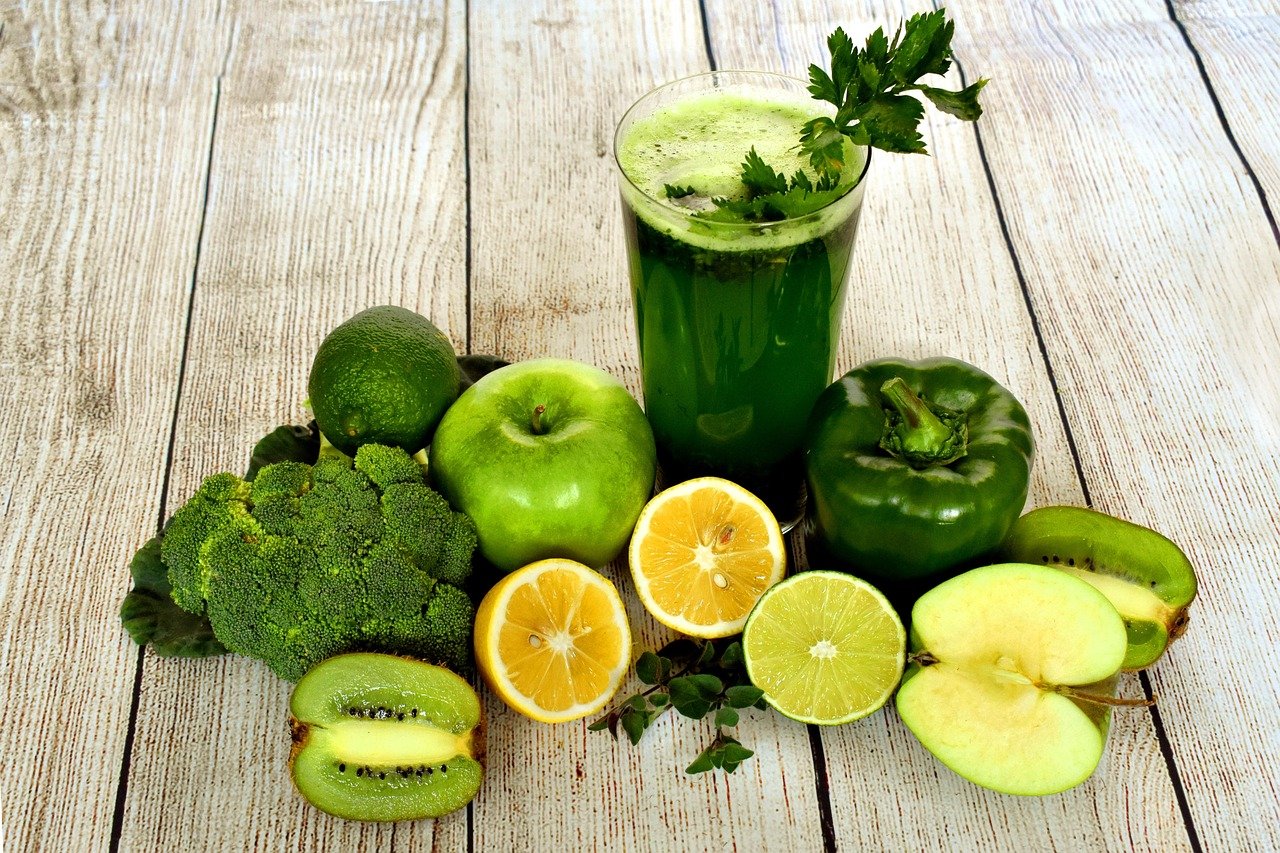
- Juice Cleanses: Consuming only fruit and vegetable juices for a specific period (e.g., 1-3 days). This restricts solid food intake significantly.
- Whole Food Detox: Focusing on whole, unprocessed foods while eliminating common allergens and inflammatory ingredients (e.g., gluten, dairy, soy). This is often a longer-term approach (e.g., 7-21 days).
- Fasting Detox: Restricting food intake entirely for a set period, often with water or herbal teas allowed. Intermittent fasting can sometimes be incorporated into a broader detox plan.
- Colon Cleansing: Using enemas, laxatives, or herbal supplements to “cleanse” the colon. Note: Colon cleansing can be harmful and should be approached with caution and under medical supervision.
Potential Benefits of Detox Diets
While the scientific evidence supporting many detox diet claims is limited, some potential benefits may be associated with certain approaches:
Improved Digestion
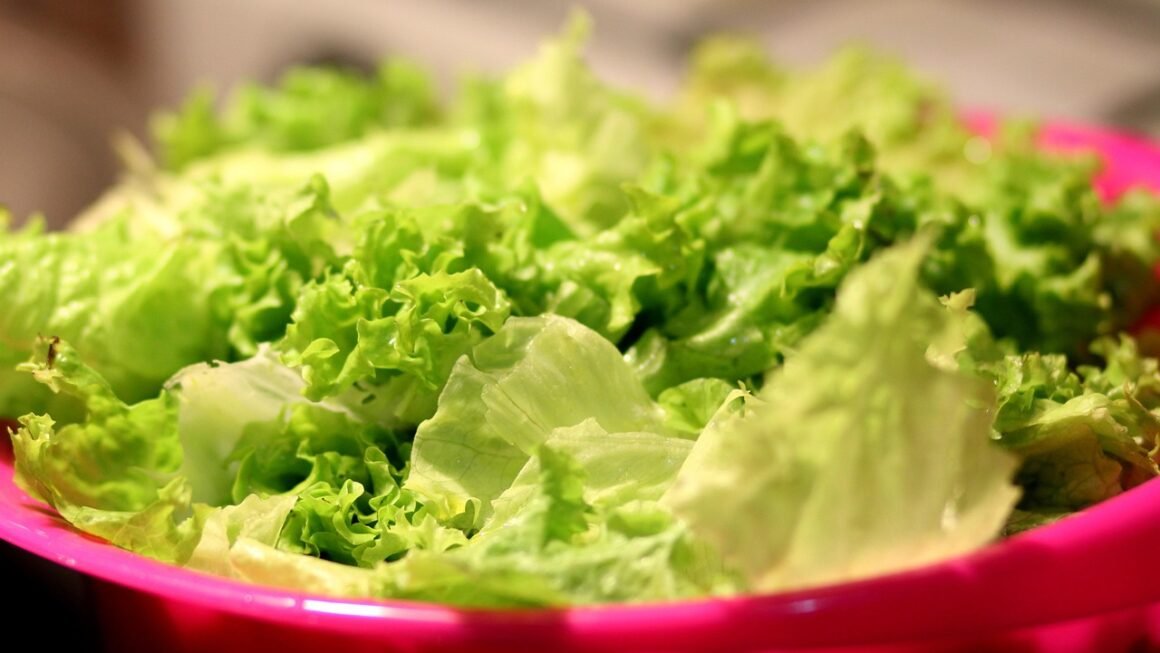
- Increased Fiber Intake: Focusing on fruits, vegetables, and whole grains can boost fiber intake, promoting regular bowel movements and reducing bloating. For example, adding a large green salad to your daily routine can significantly improve digestive health.
- Reduced Processed Food Consumption: Eliminating processed foods often means avoiding artificial additives, preservatives, and unhealthy fats that can irritate the digestive system.
Enhanced Hydration
- Increased Water Intake: Most detox diets emphasize drinking plenty of water, which is crucial for overall health and kidney function. Aim for at least 8 glasses of water per day.
- Hydrating Foods: Fruits and vegetables like watermelon, cucumbers, and celery have high water content, contributing to hydration.
Weight Loss (Short-Term)
- Calorie Restriction: Many detox diets involve significant calorie restriction, which can lead to short-term weight loss. However, this weight loss is often due to water loss and muscle mass reduction rather than fat loss.
- Reduced Sugar Intake: Eliminating sugary drinks and processed foods can contribute to weight loss.
- Important Note: It’s crucial to understand that any weight loss experienced during a detox diet is often temporary and unsustainable unless accompanied by long-term lifestyle changes.
Potential Risks and Downsides
Detox diets are not without their risks, and it’s essential to be aware of the potential downsides:
Nutrient Deficiencies
- Restricted Diets: Highly restrictive detox diets can lead to deficiencies in essential vitamins and minerals. For example, a juice cleanse may lack sufficient protein, healthy fats, and certain vitamins.
- Muscle Loss: Prolonged calorie restriction without adequate protein intake can result in muscle loss, which can negatively impact metabolism.
Electrolyte Imbalances
- Increased Fluid Intake: Excessive water consumption, especially during juice cleanses, can dilute electrolytes in the body, potentially leading to hyponatremia (low sodium levels).
- Laxative Use: Colon cleanses involving laxatives can disrupt electrolyte balance, leading to dehydration and other complications.
Side Effects
- Fatigue and Weakness: Low calorie intake can cause fatigue, weakness, and dizziness.
- Headaches: Withdrawal from caffeine or sugar can trigger headaches.
- Digestive Issues: Sudden changes in diet can lead to nausea, diarrhea, or constipation.
Contraindications
- Medical Conditions: Individuals with diabetes, kidney disease, liver disease, or other chronic health conditions should avoid detox diets without consulting a doctor.
- Pregnancy and Breastfeeding: Detox diets are not recommended during pregnancy or breastfeeding due to the risk of nutrient deficiencies and potential harm to the baby.
Scientifically Supported Ways to Detoxify
While extreme detox diets are often unnecessary and potentially harmful, you can support your body’s natural detoxification processes through evidence-based strategies:
Focus on a Healthy Diet
- Prioritize Whole Foods: Emphasize fruits, vegetables, whole grains, lean protein, and healthy fats in your diet.
- Limit Processed Foods: Reduce your intake of processed foods, sugary drinks, and unhealthy fats.
- Incorporate Fiber: Aim for 25-35 grams of fiber per day to support digestive health.
Stay Hydrated
- Drink Plenty of Water: Aim for at least 8 glasses of water per day.
- Choose Water-Rich Foods: Incorporate fruits and vegetables with high water content.
Support Liver Health
- Limit Alcohol Consumption: Excessive alcohol consumption can damage the liver.
- Avoid Exposure to Toxins: Minimize exposure to environmental toxins like pesticides, pollutants, and heavy metals.
- Consider Liver-Supportive Foods: Certain foods like garlic, turmeric, and broccoli sprouts may support liver function.
Get Regular Exercise
- Promote Sweating: Exercise helps eliminate toxins through sweat.
- Boost Circulation:* Exercise improves blood flow, which aids in detoxification.
Conclusion
Detox diets are a popular concept, often promising quick fixes and dramatic results. While some aspects of these diets, such as increased hydration and consumption of whole foods, can be beneficial, many claims lack scientific support. Extreme detox diets can even be harmful, leading to nutrient deficiencies, electrolyte imbalances, and other health problems. Instead of relying on fad diets, focus on adopting a sustainable, healthy lifestyle that supports your body’s natural detoxification processes through a balanced diet, adequate hydration, regular exercise, and minimizing exposure to toxins. Always consult with a healthcare professional before making significant dietary changes, especially if you have underlying health conditions.