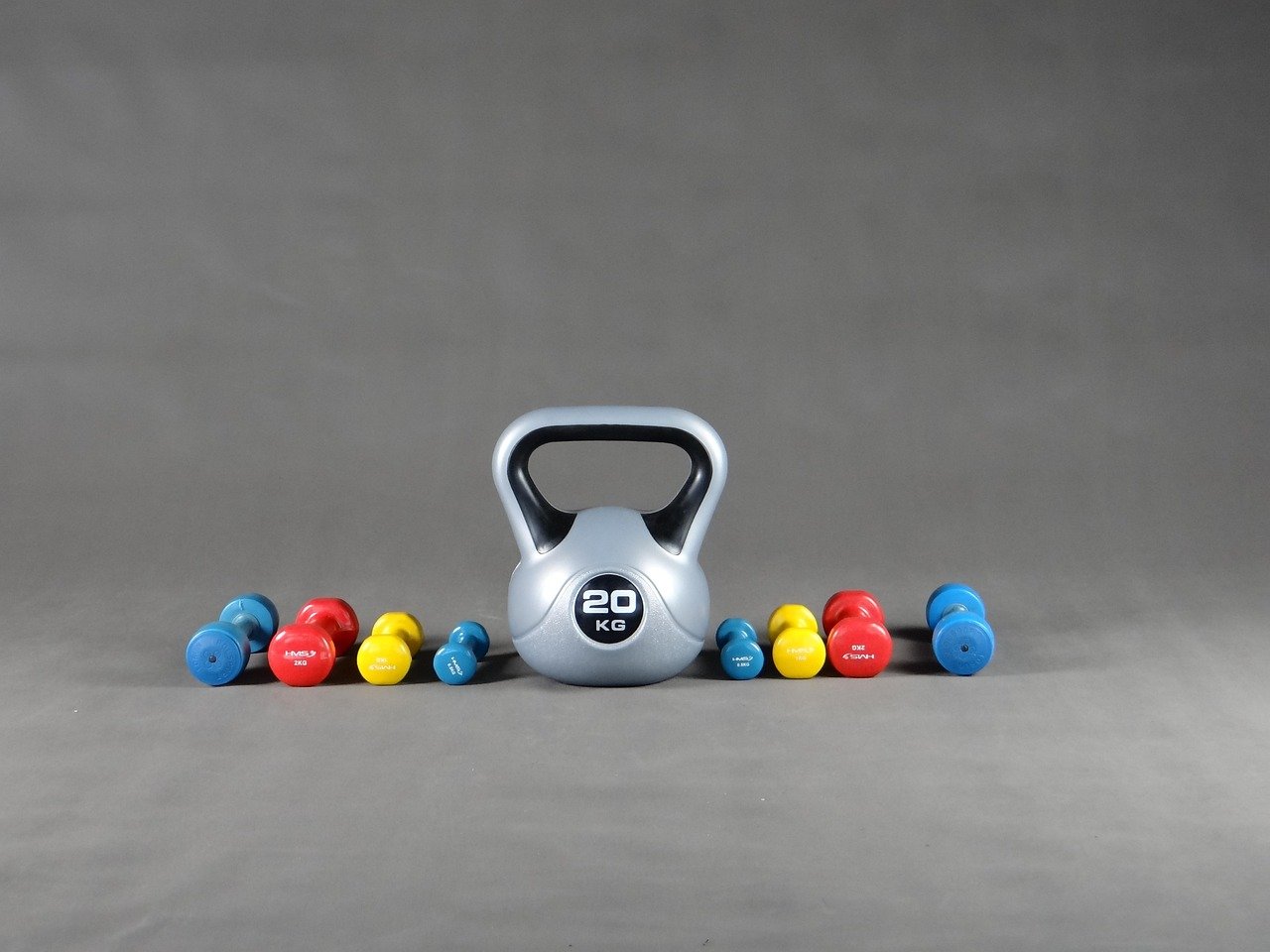
Crafting a workout routine can feel overwhelming, especially with the sheer volume of information available. Whether you’re aiming to build muscle, lose weight, improve endurance, or simply boost your overall health, a well-structured workout plan is the cornerstone of success. This comprehensive guide breaks down the essential elements of effective workout plans, empowering you to create a routine that aligns with your specific goals and fitness level.
Defining Your Fitness Goals
Identifying Your Objectives
Before you even consider what exercises to perform, it’s crucial to clearly define your fitness goals. Are you primarily focused on weight loss, muscle gain, increased strength, improved cardiovascular health, or a combination of these? Your goals will dictate the type of training you need to prioritize.
- Weight Loss: Focus on calorie expenditure through cardio and strength training to build muscle mass, which increases your resting metabolic rate.
- Muscle Gain (Hypertrophy): Prioritize resistance training with moderate to heavy weights and adequate protein intake.
- Strength Training: Focus on lifting heavy weights with fewer repetitions, emphasizing compound exercises.
- Cardiovascular Health: Incorporate activities like running, swimming, cycling, or brisk walking into your routine.
Setting Realistic Expectations
It’s important to set realistic expectations to avoid discouragement. Gradual progress is key to long-term success. Remember that results vary from person to person based on factors like genetics, diet, sleep, and consistency. Aim for small, achievable milestones and celebrate your successes along the way.
- Example: Instead of aiming to lose 20 pounds in a month, set a goal of losing 1-2 pounds per week.
- Example: Instead of trying to bench press your body weight immediately, focus on increasing the weight you lift by small increments each week.
Understanding the Different Types of Workouts
Strength Training
Strength training, also known as resistance training, involves using weights or resistance bands to build muscle and increase strength. It is beneficial for people of all ages and fitness levels.
- Benefits:
Increases muscle mass and strength
Boosts metabolism
Improves bone density
Enhances posture and balance
Reduces the risk of injury
- Types of Exercises:
Compound Exercises: These work multiple muscle groups simultaneously. Examples include squats, deadlifts, bench presses, overhead presses, and rows.
Isolation Exercises: These focus on a single muscle group. Examples include bicep curls, triceps extensions, leg extensions, and calf raises.
Cardiovascular Training (Cardio)
Cardio involves activities that elevate your heart rate and improve your cardiovascular health. It is essential for burning calories, improving endurance, and reducing the risk of heart disease.
- Benefits:
Burns calories and aids in weight loss
Improves cardiovascular health
Increases endurance
Reduces the risk of chronic diseases
Boosts mood and reduces stress
- Types of Cardio:
Low-Intensity Steady State (LISS): Activities like walking, jogging, or cycling at a comfortable pace for an extended period.
High-Intensity Interval Training (HIIT): Short bursts of intense exercise followed by periods of rest or low-intensity exercise.
Flexibility and Mobility Training
Flexibility and mobility training involves stretching and exercises that improve your range of motion. It is crucial for preventing injuries, improving posture, and enhancing athletic performance.
- Benefits:
Improves range of motion
Reduces the risk of injury
Enhances posture
Reduces muscle soreness
Improves athletic performance
- Types of Exercises:
Static Stretching: Holding a stretch for a specific period of time.
Dynamic Stretching: Moving through a range of motion with control.
Foam Rolling: Using a foam roller to release muscle tension and improve flexibility.
Yoga: Combines physical postures, breathing techniques, and meditation.
Creating a Sample Workout Plan
Beginner Workout Plan (3 Days Per Week)
This plan is designed for individuals who are new to exercise. It focuses on building a foundation of strength and cardiovascular fitness.
- Day 1: Full Body Strength Training
Warm-up: 5 minutes of light cardio (e.g., jogging in place, jumping jacks)
Squats: 3 sets of 10-12 repetitions
Push-ups: 3 sets of as many repetitions as possible (AMRAP)
Dumbbell Rows: 3 sets of 10-12 repetitions per arm
Overhead Press: 3 sets of 10-12 repetitions
Plank: 3 sets, holding for 30-60 seconds
Cool-down: 5 minutes of stretching
- Day 2: Cardio
30 minutes of brisk walking, jogging, or cycling at a moderate intensity.
- Day 3: Rest
- Day 4: Full Body Strength Training
Repeat Day 1
- Day 5: Cardio
Repeat Day 2
- Day 6 & 7: Rest
Intermediate Workout Plan (4-5 Days Per Week)
This plan is designed for individuals who have some experience with exercise and are looking to increase their intensity and volume.
- Day 1: Upper Body Strength Training
Warm-up: 5 minutes of light cardio and dynamic stretching
Bench Press: 3 sets of 8-10 repetitions
Dumbbell Rows: 3 sets of 8-10 repetitions per arm
Overhead Press: 3 sets of 8-10 repetitions
Bicep Curls: 3 sets of 10-12 repetitions
Triceps Extensions: 3 sets of 10-12 repetitions
- Day 2: Lower Body Strength Training
Warm-up: 5 minutes of light cardio and dynamic stretching
Squats: 3 sets of 8-10 repetitions
Deadlifts: 1 set of 5 repetitions, 1 set of 3 repetitions, 1 set of 1 repetition (increase weight each set)
Lunges: 3 sets of 10-12 repetitions per leg
Hamstring Curls: 3 sets of 10-12 repetitions
Calf Raises: 3 sets of 15-20 repetitions
- Day 3: Cardio
HIIT: 20 minutes of high-intensity intervals (e.g., sprinting, cycling)
- Day 4: Rest or Active Recovery (e.g., yoga, light stretching)
- Day 5: Full Body Strength Training or repeat Upper/Lower days
- Day 6 & 7: Rest
Key Considerations for Workout Plans
Warm-up and Cool-down
Always start your workout with a proper warm-up to prepare your muscles for exercise and reduce the risk of injury. A warm-up should include light cardio and dynamic stretching. End your workout with a cool-down, which should include static stretching to improve flexibility and reduce muscle soreness.
Progressive Overload
Progressive overload is the principle of gradually increasing the demands on your muscles over time. This can be achieved by increasing the weight you lift, the number of repetitions you perform, or the number of sets you complete. It is essential for continued progress in strength and muscle growth.
Rest and Recovery
Adequate rest and recovery are crucial for muscle growth and overall health. Aim for 7-9 hours of sleep per night, and allow your muscles time to recover between workouts. Consider incorporating rest days into your workout plan and listen to your body.
Nutrition and Hydration
Proper nutrition and hydration are essential for supporting your workout plan and achieving your fitness goals. Consume a balanced diet that includes adequate protein, carbohydrates, and healthy fats. Drink plenty of water throughout the day, especially before, during, and after your workouts.
Conclusion
Creating a workout plan tailored to your specific goals, fitness level, and preferences is key to achieving long-term success. By defining your objectives, understanding the different types of workouts, and considering essential factors like warm-up, cool-down, progressive overload, rest, nutrition and hydration, you can design a workout plan that is effective, enjoyable, and sustainable. Remember to listen to your body, adjust your plan as needed, and celebrate your progress along the way. Consistency and dedication are the cornerstones of a successful fitness journey.