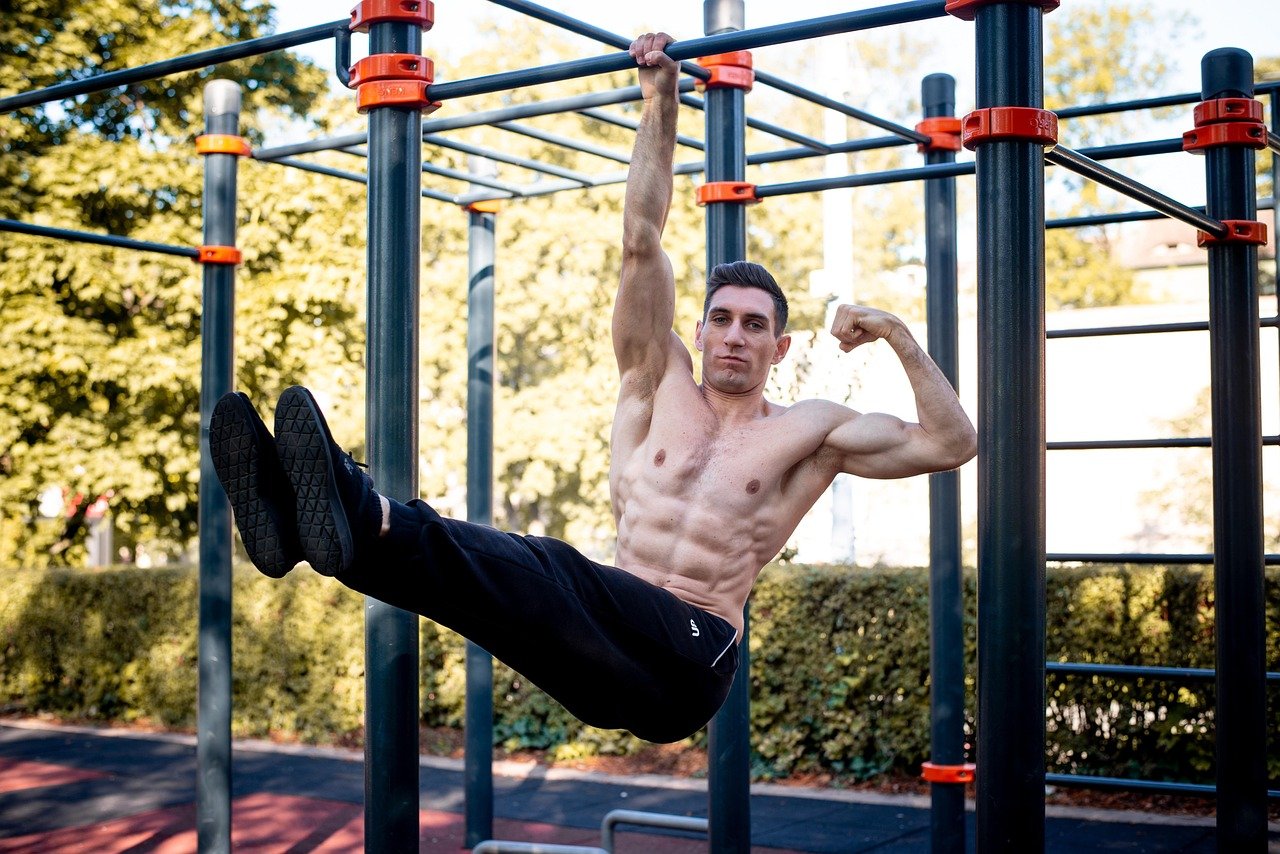
Crafting a fitness plan that truly resonates with your individual needs and aspirations can feel like navigating a complex maze. Generic workouts and one-size-fits-all diet plans often fall short, leaving you feeling frustrated and demotivated. The secret to unlocking sustainable results lies in embracing a custom fitness plan, meticulously tailored to your unique circumstances, goals, and body. This personalized approach not only maximizes your progress but also transforms your fitness journey into an enjoyable and rewarding experience.
Understanding the Power of a Custom Fitness Plan
What Makes a Fitness Plan “Custom”?
A custom fitness plan is designed specifically for you. It takes into account a multitude of factors that a generic plan simply overlooks. These factors include:
- Your current fitness level: Are you a beginner, intermediate, or advanced exerciser?
- Your fitness goals: Are you aiming for weight loss, muscle gain, improved endurance, or overall well-being?
- Your lifestyle: How much time can you realistically dedicate to exercise each week? What are your dietary habits?
- Your medical history: Are there any pre-existing conditions or injuries that need to be considered?
- Your preferences: What types of exercises do you enjoy? What motivates you?
Benefits of a Custom Fitness Plan
Compared to following a generic program, a custom fitness plan offers significant advantages:
- Increased Effectiveness: By aligning with your specific needs and goals, you’re more likely to see results. Studies show that personalized exercise interventions lead to greater improvements in fitness outcomes compared to standard recommendations.
- Reduced Risk of Injury: A custom plan accounts for your current fitness level and any pre-existing conditions, minimizing the risk of overtraining or injury.
- Improved Motivation and Adherence: When you enjoy your workouts and see progress, you’re more likely to stick with your plan long-term. Custom plans are built around your preferences, making fitness more engaging.
- Optimized for Your Body Type: Everyone responds differently to exercise. A custom plan considers your body type and metabolism to optimize your nutrition and training strategies.
- Enhanced Flexibility and Adaptability: Life happens. A custom plan can be easily adjusted to accommodate changes in your schedule or circumstances.
Key Components of a Custom Fitness Plan
Exercise Programming
The exercise component of your custom plan should encompass several elements:
- Cardiovascular Exercise: This can include activities like running, swimming, cycling, or dancing. The type and intensity of cardio should be tailored to your goals and fitness level. For example, someone aiming for weight loss might focus on longer, lower-intensity workouts, while someone training for a marathon would require high-intensity interval training (HIIT).
- Strength Training: Lifting weights or using resistance bands helps build muscle and increase strength. Your plan should include a variety of exercises targeting different muscle groups. Example: If your goal is to build upper body strength, the plan should incorporate exercises like bench press, push-ups, and rows.
- Flexibility and Mobility: Stretching and mobility exercises improve your range of motion and reduce the risk of injury. Yoga, Pilates, and dynamic stretching are excellent options.
- Rest and Recovery: Adequate rest is crucial for muscle repair and growth. Your plan should include rest days and strategies for managing stress and promoting recovery.
Nutritional Guidance
Nutrition plays a vital role in achieving your fitness goals. Your custom plan should include personalized nutritional recommendations:
- Macronutrient Ratios: The optimal balance of protein, carbohydrates, and fats depends on your goals and activity level. For muscle gain, a higher protein intake is generally recommended. For endurance athletes, a higher carbohydrate intake may be beneficial.
- Calorie Intake: Your daily calorie needs should be calculated based on your Basal Metabolic Rate (BMR), activity level, and goals.
- Meal Planning: A sample meal plan can provide guidance on healthy food choices and portion sizes.
- Supplement Recommendations: In some cases, supplements like protein powder, creatine, or vitamins may be beneficial. However, always consult with a healthcare professional before taking any supplements.
Example: A person aiming for weight loss might have a meal plan with a calorie deficit and a focus on lean protein, vegetables, and healthy fats. A person aiming to gain muscle might need a calorie surplus with a higher protein intake.
Progress Tracking and Monitoring
Regularly tracking your progress is essential for staying motivated and making adjustments to your plan.
- Weight and Body Measurements: Track your weight, body fat percentage, and circumference measurements regularly.
- Exercise Performance: Monitor your strength, endurance, and flexibility. Keep a workout journal to record your sets, reps, and weight lifted.
- Dietary Intake: Track your calorie and macronutrient intake using a food diary or app.
- Photo Progress: Take regular photos to visually track your progress.
- Adjustments: If you’re not seeing the desired results, make adjustments to your exercise or nutrition plan. Don’t be afraid to experiment and find what works best for you.
Finding the Right Professional for Your Custom Plan
Qualified Personal Trainers
A certified personal trainer can help you design a custom fitness plan that is safe and effective. Look for trainers with:
- Relevant Certifications: Reputable certifications include those from organizations like NASM, ACE, and ACSM.
- Experience and Expertise: Find a trainer who has experience working with clients with similar goals and fitness levels.
- Good Communication Skills: Your trainer should be able to clearly explain your plan and answer your questions.
- Positive Reviews and Testimonials: Read reviews and testimonials from other clients to get a sense of the trainer’s reputation.
Registered Dietitians
A registered dietitian (RD) can provide expert nutritional guidance to support your fitness goals. Look for RDs with:
- Credentials: Ensure they are a Registered Dietitian (RD) or Registered Dietitian Nutritionist (RDN).
- Specializations: Find an RD who specializes in sports nutrition or weight management, depending on your goals.
- Personalized Approach: Your RD should be able to tailor a meal plan to your individual needs and preferences.
Online Fitness Platforms
Several online platforms offer personalized fitness plans and coaching.
- Choose Reputable Platforms: Research the platform’s credentials and reviews.
- Consider the Level of Personalization: Some platforms offer more personalized guidance than others.
- Look for Features Like: progress tracking, workout videos, and communication with a coach.
Overcoming Challenges and Staying Consistent
Time Constraints
- Prioritize and Schedule: Treat your workouts like important appointments and schedule them in your calendar.
- Break It Down: If you don’t have time for a full workout, break it down into shorter sessions throughout the day.
- Find Ways to Multitask: Incorporate physical activity into your daily routine, such as walking or cycling to work.
Motivation
- Set Realistic Goals: Start with small, achievable goals and gradually increase the challenge as you progress.
- Find an Exercise Buddy: Working out with a friend can help you stay motivated and accountable.
- Reward Yourself: Celebrate your progress with non-food rewards, such as a new workout outfit or a massage.
- Track Your Progress: Seeing your progress can be a powerful motivator.
Injuries
- Listen to Your Body: Don’t push yourself too hard, especially when you’re starting out.
- Use Proper Form: Focus on using proper form to avoid injuries.
- Rest and Recover: Allow your body adequate rest and recovery time.
- Consult with a Healthcare Professional: If you experience pain or discomfort, consult with a doctor or physical therapist.
Conclusion
Investing in a custom fitness plan is an investment in your health and well-being. By taking the time to personalize your approach, you can unlock your full potential and achieve sustainable results. Remember to find qualified professionals, track your progress, and stay consistent with your plan. With dedication and perseverance, you can transform your fitness journey and achieve your goals.