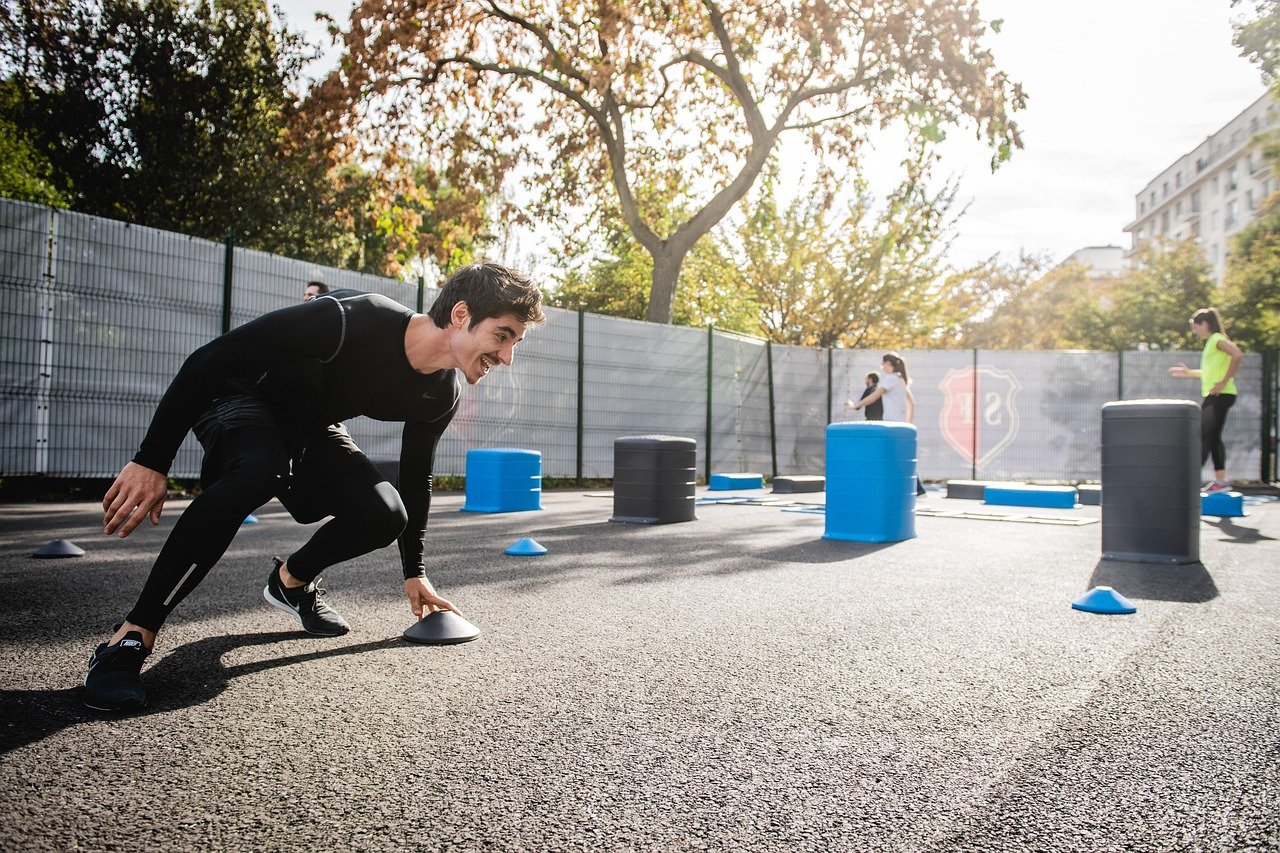
Pushing your body to its limits and striving for continuous improvement is at the heart of advanced fitness. It’s not just about lifting heavier weights or running faster; it’s about understanding your body, optimizing your training, and achieving sustainable results. An advanced fitness plan is a meticulously crafted strategy that goes beyond the basics, focusing on periodization, recovery, and personalized nutrition to help you reach your peak physical potential.
Defining Advanced Fitness and its Goals
Advanced fitness moves beyond general health and wellness goals and focuses on specific performance objectives. It requires a structured and disciplined approach, built upon a solid foundation of basic fitness principles.
What Constitutes Advanced Fitness?
- Specificity: Training is tailored to specific performance goals, such as running a marathon, competing in a bodybuilding competition, or mastering a complex gymnastics routine.
- Periodization: The training plan is divided into distinct phases (e.g., preparation, strength, power, peaking) with varying intensity and volume to optimize performance and prevent overtraining.
- Progressive Overload: Continuously challenging the body by gradually increasing the intensity, volume, or complexity of training.
- Recovery Optimization: Prioritizing rest, nutrition, and stress management to facilitate muscle repair and adaptation.
- Advanced Nutrition: Precise macronutrient and micronutrient intake to support training demands, muscle growth, and overall performance.
Setting Realistic Advanced Fitness Goals
Before embarking on an advanced fitness journey, it’s crucial to set realistic and measurable goals. These goals should be:
- Specific: Define exactly what you want to achieve (e.g., increase your squat by 50 lbs, reduce your 5k time by 2 minutes).
- Measurable: Establish quantifiable metrics to track your progress.
- Achievable: Set goals that are challenging but attainable within a reasonable timeframe.
- Relevant: Ensure your goals align with your overall fitness aspirations and lifestyle.
- Time-bound: Set a deadline for achieving your goals to maintain motivation and accountability.
Example: “Improve my deadlift from 225 lbs to 315 lbs within 6 months.”
Designing Your Advanced Training Program
A well-structured advanced training program is the cornerstone of success. It should incorporate various training modalities, prioritize proper form, and include built-in recovery periods.
Strength Training Strategies
- Compound Exercises: Focus on exercises that engage multiple muscle groups simultaneously, such as squats, deadlifts, bench press, and overhead press.
Example: Implement a 5/3/1 program to progressively increase your strength on these core lifts.
- Isolation Exercises: Target specific muscles to address weaknesses and improve muscle definition.
Example: Add bicep curls, triceps extensions, and calf raises to your routine.
- Varying Rep Ranges: Utilize different rep ranges (e.g., 1-5 for strength, 8-12 for hypertrophy, 15+ for endurance) to stimulate different physiological adaptations.
- Advanced Techniques: Incorporate techniques like drop sets, supersets, and eccentric training to further challenge your muscles.
Cardiovascular Conditioning Techniques
- High-Intensity Interval Training (HIIT): Alternate between short bursts of intense exercise and brief recovery periods.
Example: Sprint for 30 seconds, followed by 60 seconds of rest, repeated 8-10 times.
- Long Slow Distance (LSD): Maintain a consistent pace over a longer duration to improve endurance.
Example: Run or cycle at a conversational pace for 45-60 minutes.
- Tempo Runs: Sustain a comfortably hard pace for a specified duration.
Example: Run at a tempo pace for 20-30 minutes.
- Cross-Training: Engage in activities other than your primary sport or training modality to reduce the risk of overuse injuries and improve overall fitness.
Example: Swim, bike, or row on your rest days.
Flexibility and Mobility Enhancement
- Static Stretching: Hold a stretch for 20-30 seconds to improve muscle flexibility. Perform after workouts.
- Dynamic Stretching: Perform controlled movements through a full range of motion to improve joint mobility. Perform before workouts.
- Foam Rolling: Use a foam roller to release muscle knots and improve tissue flexibility.
- Yoga and Pilates: Incorporate yoga and Pilates into your routine to improve flexibility, core strength, and balance.
Nutrition for Peak Performance
Nutrition plays a critical role in fueling your workouts, supporting muscle recovery, and optimizing performance. An advanced fitness plan demands a tailored approach to macronutrient and micronutrient intake.
Macronutrient Optimization
- Protein: Consume adequate protein to support muscle growth and repair (typically 1.6-2.2 grams per kilogram of body weight).
Example: Include lean protein sources like chicken breast, fish, tofu, and legumes in your diet.
- Carbohydrates: Adjust carbohydrate intake based on your training intensity and volume (typically 3-5 grams per kilogram of body weight for moderate activity, and 5-7 grams for high intensity).
Example: Prioritize complex carbohydrates like whole grains, fruits, and vegetables.
- Fats: Consume healthy fats to support hormone production, nutrient absorption, and overall health (typically 0.8-1 gram per kilogram of body weight).
Example: Include sources like avocados, nuts, seeds, and olive oil in your diet.
Micronutrient Needs
- Vitamins and Minerals: Ensure adequate intake of essential vitamins and minerals to support various bodily functions, including energy production, immune function, and bone health.
- Supplementation: Consider supplementing with specific nutrients that may be lacking in your diet or that can enhance performance, such as creatine, beta-alanine, and vitamin D. Consult a healthcare professional before starting any supplementation.
- Hydration: Stay adequately hydrated throughout the day, especially before, during, and after workouts.
Timing Your Nutrient Intake
- Pre-Workout Nutrition: Consume a meal or snack containing carbohydrates and protein 1-2 hours before your workout to provide energy and support muscle protein synthesis.
- Post-Workout Nutrition: Consume a meal or snack containing carbohydrates and protein within 30-60 minutes after your workout to replenish glycogen stores and promote muscle recovery.
Recovery and Injury Prevention
Adequate recovery is essential for preventing overtraining, reducing the risk of injuries, and optimizing performance.
Prioritizing Rest and Sleep
- Sleep: Aim for 7-9 hours of quality sleep per night to allow your body to repair and rebuild muscle tissue.
- Active Recovery: Engage in light activities like walking, swimming, or yoga on your rest days to promote blood flow and reduce muscle soreness.
- Rest Days: Schedule at least one full rest day per week to allow your body to fully recover.
Stress Management Techniques
- Meditation and Mindfulness: Practice meditation and mindfulness techniques to reduce stress and improve mental well-being.
- Yoga and Tai Chi: Incorporate yoga and Tai Chi into your routine to improve flexibility, balance, and relaxation.
- Spending Time in Nature: Spend time outdoors to reduce stress and improve mood.
Injury Prevention Strategies
- Proper Warm-up and Cool-down: Always warm up before workouts and cool down afterward to prepare your muscles for activity and reduce the risk of injuries.
- Proper Form: Maintain proper form during all exercises to minimize the risk of injuries.
- Listen to Your Body: Pay attention to your body’s signals and avoid pushing yourself too hard, especially when you are feeling fatigued or sore.
- Regular Assessment: Schedule regular appointments with a physical therapist or athletic trainer to assess your movement patterns and identify potential risk factors for injuries.
Monitoring Progress and Adjusting Your Plan
Regularly monitoring your progress and making necessary adjustments to your plan is essential for continued improvement.
Tracking Key Metrics
- Strength Gains: Track your strength gains on key exercises, such as squats, deadlifts, and bench press.
- Cardiovascular Performance: Monitor your cardiovascular performance by tracking metrics like your 5k time, mile time, or VO2 max.
- Body Composition: Track your body composition by measuring your body fat percentage, muscle mass, and waist circumference.
- Sleep Quality: Monitor your sleep quality using a sleep tracker or by keeping a sleep journal.
- Heart Rate Variability (HRV): Track your HRV to assess your body’s readiness for training and identify signs of overtraining.
Adapting to Plateaus
- Deloading: Take a deload week every 4-6 weeks to allow your body to recover and prevent overtraining.
- Varying Your Training: Periodically change your training routine by altering the exercises, rep ranges, sets, or rest periods.
- Adjusting Your Nutrition: Re-evaluate your nutritional intake and make necessary adjustments based on your training demands and goals.
- Seeking Expert Guidance: Consult with a qualified personal trainer, coach, or registered dietitian to get personalized advice and support.
Conclusion
Achieving advanced fitness requires a dedicated and strategic approach. By defining clear goals, designing a comprehensive training program, optimizing your nutrition, prioritizing recovery, and monitoring your progress, you can unlock your full physical potential. Remember that consistency, patience, and a willingness to adapt are key to long-term success on your advanced fitness journey. Consult with qualified professionals to ensure your plan aligns with your individual needs and goals for safe and effective progress.